
Global Oil Price Projections at SPIEF 2026 and Their Impact on the Indonesian Economy
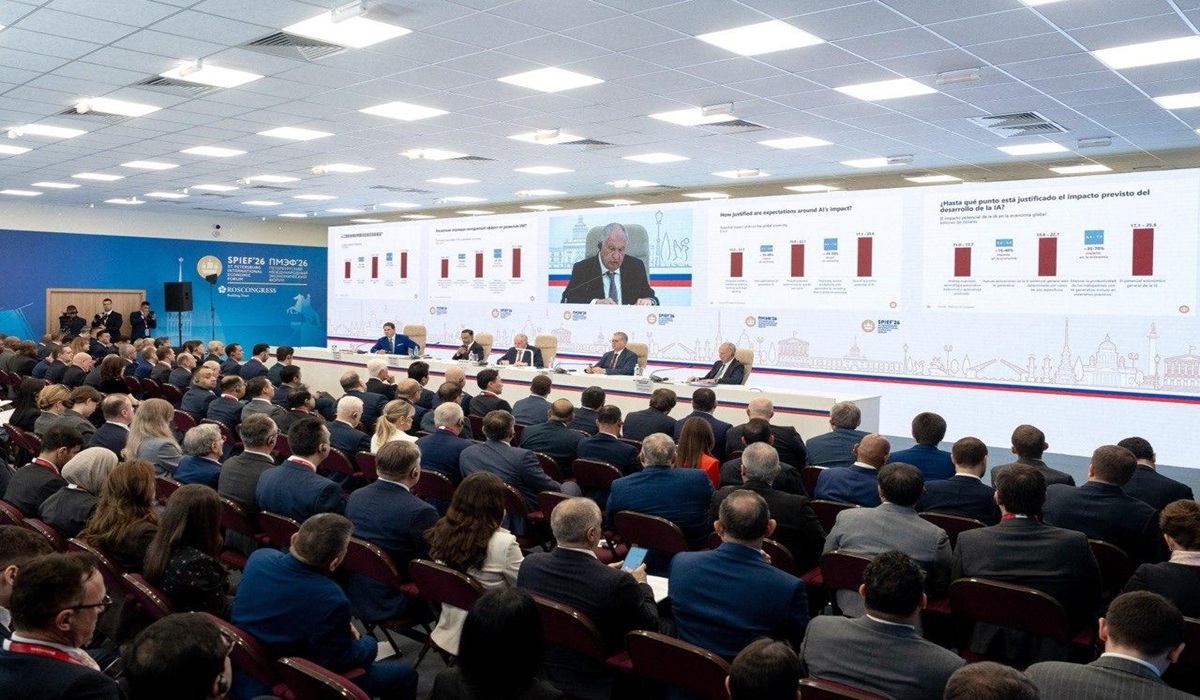
The St. Petersburg International Economic Forum (SPIEF) 2026 has become a global focal point as crucial projections emerge regarding the future of the global energy market. During the Energy Panel held from 3–6 June 2026, industry leaders and policymakers outlined oil price dynamics predicted to experience high volatility due to geopolitical factors and supply constraints.
Rosneft CEO Igor Sechin highlighted that the situation in the Strait of Hormuz will be a primary determinant shaping the oil market in the medium term. Sechin projected that if conflict tensions subside and restrictions are lifted by the end of 2026, average global oil prices could potentially reach levels of US$95–96 per barrel. However, a worst-case scenario looms if new sanctions are imposed on Russian energy commodities. Sechin warned of the potential for extreme price surges, stating, “An additional US$100 would be added to the level, reaching US$150–160.”
Despite this, he believes such sanctions would be ineffective as Russia will maintain a significant export share, where price increases would compensate for the decrease in supply volume. A more concerning view came from Nobuo Tanaka, former Executive Director of the International Energy Agency (IEA), who assessed that supply shortages could drive oil prices to exceed US$170 per barrel in the coming months. “This is a very serious situation. Russia will be a very important player in the context of increasing supply,” Tanaka asserted.
The dynamics discussed in St. Petersburg have strong resonance for Indonesia’s national economic stability. As a net oil importer, global price increases will directly pressure the trade balance and the government’s fiscal space in Rupiah. Based on data from the Indonesian Central Statistics Agency (BPS), Indonesia’s import value in 2024 reached US$235.2 billion, with oil and gas imports contributing US$36.3 billion. The trade deficit in the oil and gas sector, which reached US$19.7 billion in 2025, demonstrates how vulnerable the domestic economy is to global energy price fluctuations.
As of 31 May 2026, the Indonesian government has recorded disbursements of Rp203.7 trillion for energy subsidies and compensation, equivalent to 45.6% of the state budget (APBN) ceiling. If the high oil price projections from SPIEF 2026 materialise, the fiscal burden to maintain public purchasing power is certain to swell, ultimately demanding a more progressive energy resilience strategy from the government.
Source: jawawa.id (https://jawawa.id/newsitem/global-oil-price-projections-at-spief-2026-and-their-impact-on-the-indonesian-economy-1780899990)
Originally published by Media Indonesia (https://mediaindonesia.com/ekonomi/898090/proyeksi-harga-minyak-dunia-spief-2026-dan-dampaknya-bagi-ekonomi-indonesia), translated from Indonesian