
Global Heatwave Fuels Coal Price Rally
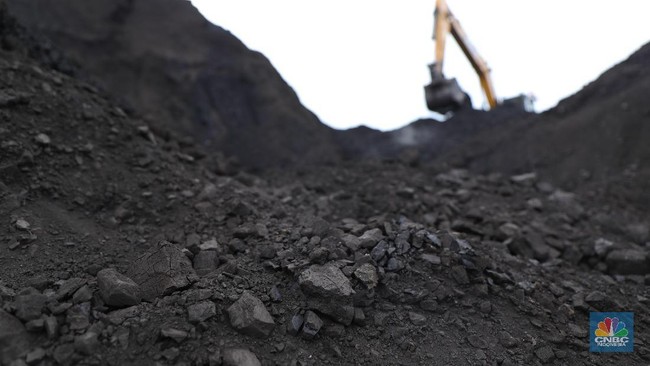
Coal prices finally rose after falling for three consecutive days, buoyed by strengthening demand amid a global heatwave. According to Refinitiv, the price of coal on Monday closed at US$127.45 per ton, up 1.77%. This increase is welcome news after prices fell 4.4% over the previous three days.
Demand for coal is rising as heatwaves and summer weather hit the United States and Europe. The summer season in Europe has increased electricity demand. Amid this rising demand, Germany is facing problems with low water levels on the River Rhine. This river is Europe’s busiest transport route for coal, so low water levels will hamper coal shipments. This situation has sparked concerns about supply availability, especially as high temperatures are expected to increase electricity demand while simultaneously reducing the efficiency of gas and solar power plants.
In the United States, Energy Secretary Chris Wright issued an emergency order to maintain the operation of a coal-fired power plant unit in Colorado to ensure reliable electricity supply, the Department of Energy said on Friday. The order instructs Tri-State Generation and Transmission Association, Platte River Power Authority, Salt River Project, PacifiCorp, and Public Service Company of Colorado, a subsidiary of Xcel Energy, to keep Craig Station Unit 1 ready to operate as directed by the Southwest Power Pool. The unit was previously scheduled for retirement at the end of 2025. However, Wright had issued similar emergency orders in December 2025 and March 2026 requiring the plant to remain available for operation. The administration of US President Donald Trump has used emergency powers to keep several old coal and gas-fired power plants operating beyond their planned retirement schedules, citing the need to maintain national grid reliability. Wright said that retiring still-reliable power plants could threaten grid reliability and increase electricity costs during peak summer demand periods. The Department of Energy also highlighted concerns about electricity supply reliability in the Rocky Mountain region, including the ageing of many thermal plants and supply chain constraints. The latest emergency order is effective from 29 June to 26 September 2026.
Meanwhile, China reported that the supply of coking coal remains tight due to a fatal mine accident in Shanxi province in late May 2026. The incident triggered massive safety inspections and the temporary closure of around 155 mines, meaning domestic production has not yet fully recovered. The limited supply situation is supporting coking coal prices. Prices briefly hit a 19-month high in early June on shortage fears, although they began to correct when some mines resumed operations. Buyers have started to reduce purchasing activity following the sharp price rally. Many steel mills and traders are choosing to wait as steel industry margins remain thin, the demand outlook for steel is uncertain, and the price spread between domestic and imported coal is narrowing, reducing the incentive to import. Continuously declining mine inventories remain a supportive factor for prices, as shrinking stockpiles at mining areas mean spot market supply is still limited, even though the price increase is starting to trigger buyer resistance. China’s imports continue to rise, especially from Australia and Canada, to cover the domestic supply shortfall. However, purchasing volumes are not as aggressive as before because importers consider prices already too high and the risk of a price correction remains.
Rising summer demand was already reflected in data from May 2026. Coal exports from the Australian ports of Hay Point, Dalrymple Bay Coal Terminal (DBCT), Abbot Point, and Gladstone in the state of Queensland increased in May 2026. Exports rose 11.7% year-on-year and 7.4% month-on-month to 17.28 million metric tons, according to data released by North Queensland Bulk Ports Corporation and Gladstone Ports Corporation. In detail, coal exports from DBCT in May reached 4.86 million tons, up 17.3% compared to the same period last year. Meanwhile, shipments from Hay Point increased 14.3% year-on-year to 4.21 million tons. Shipments from Abbot Point were recorded at 2.6 million metric tons, down 0.3% year-on-year. Additionally, coal exports from Gladstone Port increased 11.6% compared to May 2025 to 5.59 million tons. In May, coal shipments from Gladstone to Japan accounted for 27.4% of total exports. Meanwhile, South Korea, India, and Vietnam absorbed 25.7%, 18.6%, and 8.9% of total exports, respectively. Total coal shipments from the four ports during the January-May 2026 period reached 76.35 million metric tons, according to information obtained by SteelOrbis.