
Global Gold Edges Up This Week, but Remains Far from Recovery
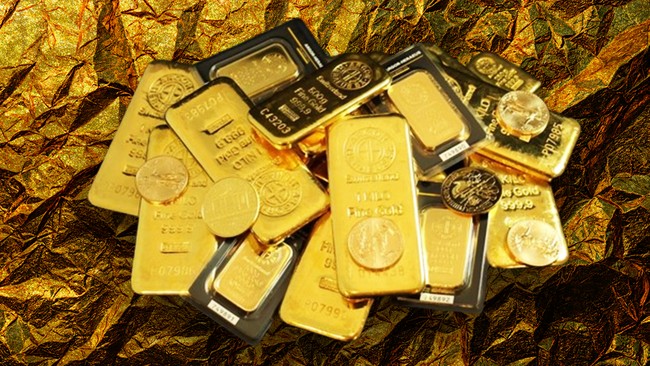
The price of gold managed a slight gain in the final trading session of the week, but the increase was not enough to rescue the precious metal from weekly pressure. According to Refinitiv data, gold closed at US$4,218.77 per troy ounce on Friday (12/6/2026), up a marginal 0.12% on the day. Gold actually strengthened over the last two trading days, starting Thursday, but on a weekly basis, the price still recorded a correction of 2.54%. This marks another week of decline, continuing the pressure seen in the previous week.
Pressure on gold continues to stem from expectations surrounding the US central bank’s interest rate policy. The market is increasingly cautious ahead of The Federal Reserve’s meeting on 16-17 June 2026. Gold is heading for its second consecutive weekly loss as markets price in the likelihood that US interest rates will remain high, or potentially even rise. This is bad news for the non-yielding metal. When interest rates and US bond yields climb, investors tend to prefer placing their funds in interest-bearing instruments like bonds, making gold less attractive as the opportunity cost of holding it increases.
Beyond interest rates, the movement of the US dollar is also a key sentiment driver. Since gold is traded in dollars, a stronger greenback makes the metal more expensive for holders of other currencies, potentially weakening demand. Concerns over US inflation have also not fully subsided. Higher-than-expected consumer and producer inflation data have further dimmed expectations for policy easing by The Federal Reserve. The market now sees a roughly 57% chance that the Fed will raise interest rates in December, a view reinforced by May inflation data showing persistent price pressures.
Meanwhile, geopolitical conflict in the Middle East, particularly involving the US and Iran, continues to inject volatility into gold’s movement. Typically, geopolitical tensions support gold due to its status as a safe-haven asset. However, the current situation is more complex. The conflict is also driving up energy prices, especially oil, which can exacerbate inflationary pressures and make it more difficult for the Fed to lower interest rates. Thus, while geopolitical strife provides some safe-haven support for gold, its impact on oil prices and inflation simultaneously creates headwinds by increasing the likelihood that high interest rates will persist.
Sentiment from the physical market is also not particularly strong. Physical gold demand in India is reportedly sluggish, while premiums in China have begun to decline, indicating that physical buying interest is insufficient to significantly support prices. From a technical perspective, the recent weeks of decline have left gold vulnerable. The price has fallen sharply from its record high and even briefly breached its 200-day moving average for the first time in about two and a half years. Given these various pressures, the slight uptick in gold at the end of the week appears to be a limited rebound. As long as expectations of high interest rates, a strong dollar, and elevated US bond yields remain the market’s primary focus, the potential for gold’s upside is likely to stay constrained. Nonetheless, gold still has underlying support from geopolitical uncertainty, the US fiscal deficit, and central bank purchases. These factors could sustain gold’s long-term prospects, even though its short-term movements remain overshadowed by immediate pressures.
Source: jawawa.id (https://jawawa.id/newsitem/global-gold-edges-up-this-week-but-remains-far-from-recovery-1781319031)
Originally published by CNBC Indonesia (https://www.cnbcindonesia.com/research/20260613064229-128-742520/emas-dunia-menguat-pekan-ini-tapi-belum-sepenuhnya-pulih), translated from Indonesian