
Global Geopolitics Pressures Energy Resilience, Indonesia Strengthens Collaboration and Domestic Policies
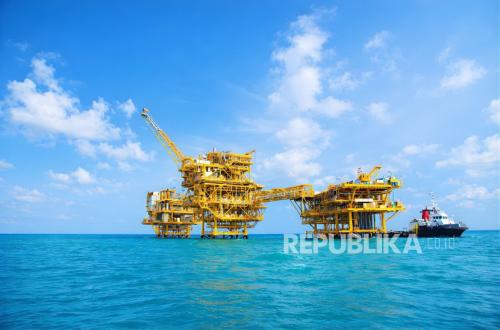
REPUBLIKA.CO.ID, JAKARTA — Increasing global geopolitical uncertainties are driving energy resilience back to the forefront as a strategic issue, including for Indonesia. Supply chain disruptions, regional dynamics, and global competition for energy sector investments demand close synergy between the government and industry players. This issue took centre stage at the Leadership Roundtable Talk (LRT), part of the annual Indonesian Petroleum Association (IPA) convention. The forum provided a platform for discussion among government, industry, and experts to formulate strategies for strengthening national energy resilience. Several prominent figures are scheduled to attend, including Deputy Minister of Energy and Mineral Resources Yuliot, Deputy Minister of Investment Todotua Pasaribu, Presidential Special Advisor on Energy Purnomo Yusgiantoro, Chairman of Commission VII of the House of Representatives Bambang Patijaya, and industry players such as Hilmi Panigoro. In the discussions, energy resilience is seen as increasingly linked to funding aspects. Countries need to promote energy source diversification and strengthen cross-sector and regional collaboration to enhance energy resilience. Meanwhile, Indonesia is compelled to compete in attracting upstream oil and gas investments amid rising global geopolitical risks. The government has taken strategic steps by retaining contractor portions of crude oil exports to ensure domestic supply remains stable. This policy is deemed crucial for reducing import dependency while maintaining national energy stability. The IPA, representing upstream oil and gas business players, has expressed support for the policy. However, its implementation must ensure no party is disadvantaged in the production-sharing contract scheme. IPA Executive Director Marjolijn Wajong emphasised that the policy is carried out on a no gain no loss principle. This means contractors still receive sales certainty as the crude oil will be absorbed by Pertamina at equivalent prices. Nevertheless, the IPA reminded of the importance of managing the transition period. The process of shifting lifting from exports to the domestic market must run smoothly to avoid disrupting field operations and production. Through this LRT forum, it is hoped that a common view will emerge between the government and industry in formulating adaptive and sustainable energy policies, while preserving the attractiveness of investments in Indonesia’s upstream oil and gas sector amid global dynamics.
Source: jawawa.id (https://jawawa.id/newsitem/global-geopolitics-pressures-energy-resilience-indonesia-strengthens-collaboration-and-domestic-policies-1776671464)
Originally published by Republika (https://ekonomi.republika.co.id/berita/tds6zw522/geopolitik-global-tekan-ketahanan-energi-indonesia-perkuat-kolaborasi-dan-kebijakan-domestik), translated from Indonesian