
Global Geopolitics Heats Up, Indonesia Pursues Food Self-Sufficiency to Suppress Rice Prices
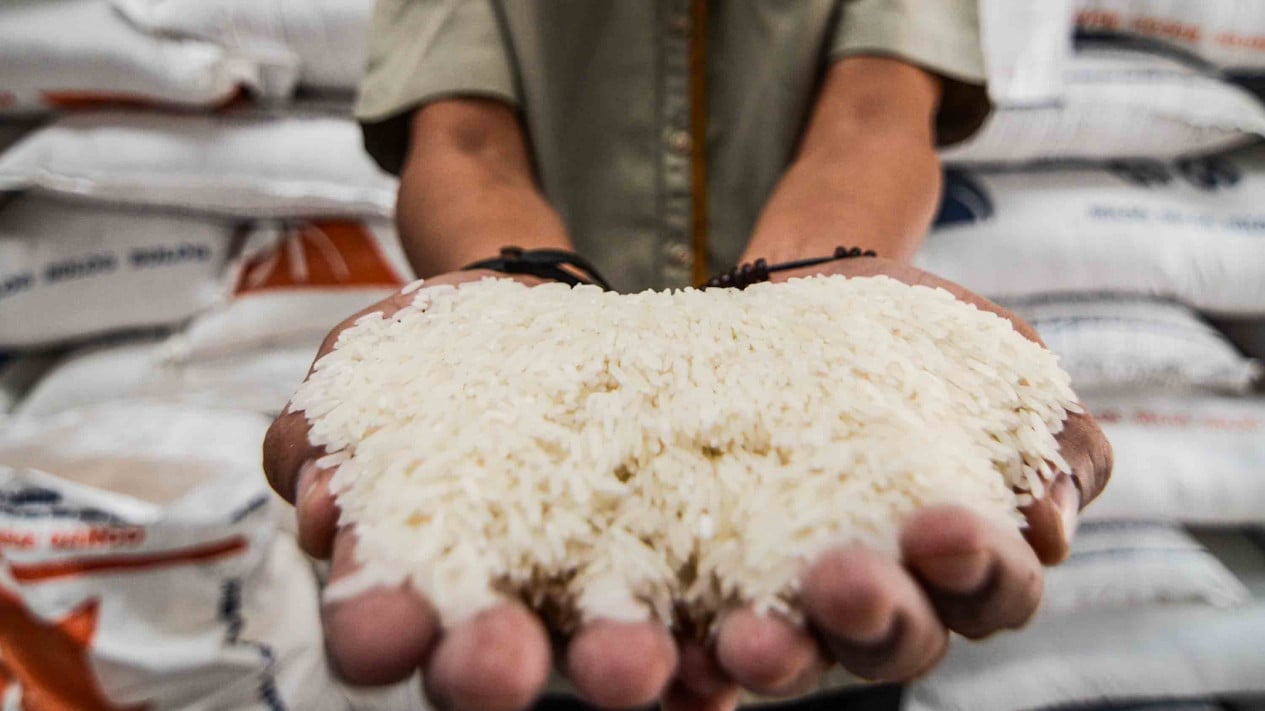
The government is accelerating efforts towards food self-sufficiency amid pressures from global geopolitics that are impacting the rise in prices of staple goods, including rice. One of the steps taken is the strengthening of irrigation infrastructure as well as pompanisation programmes to maintain agricultural production, especially during the dry season. Public Works Minister Dody Hanggodo stated that food self-sufficiency remains the government’s top priority to ensure the stability of rice supply and prices domestically. “From the outset, food self-sufficiency is number one. Because, no matter what, today’s geopolitical events are causing everything to rise, making food expensive. If we can achieve food self-sufficiency, the rice needs of the Indonesian people will still be met,” Dody said during a working visit to Bendung Boyo, Sragen-Boyolali, Central Java, on Sunday, 29 March 2026. He explained that one of the strategies being implemented is the construction of a groundwater irrigation network (JIAT) in areas that have previously relied only on rainfall. This programme is expected to increase the planting intensity for farmers. “Praise be to God, we can create a groundwater irrigation network at the same time to meet water needs outside the rainy season,” he said. In addition, the government is also preparing a pompanisation programme as a precautionary measure against potential droughts, especially after the October period when water supply from reservoirs begins to decline. “Then around May or June, we will start the pompanisation programme in several places. Insha’Allah, food self-sufficiency in 2026 will still be guaranteed to the extent of what we do in 2025,” Dody stated. According to him, coordination with the Ministry of Agriculture continues to ensure readiness to face the long dry season. Water pumps will be used to irrigate rice fields that no longer receive water supply from weirs or dams. Although there is potential for a decline in water availability, the government assures that this condition will not trigger a food crisis. Dody emphasised that anticipatory measures have been prepared from the outset. “Insha’Allah, there won’t be any (food crisis),” Dody said in response to the potential food crisis after the dry season. He added that the government is also preparing other options, such as weather modification operations, to maintain water availability in reservoirs. These efforts are being carried out to ensure that thousands of hectares of agricultural land can still be irrigated.