
Global Food Prices Hit 3-Year High, Cooking Oil Causes Concern
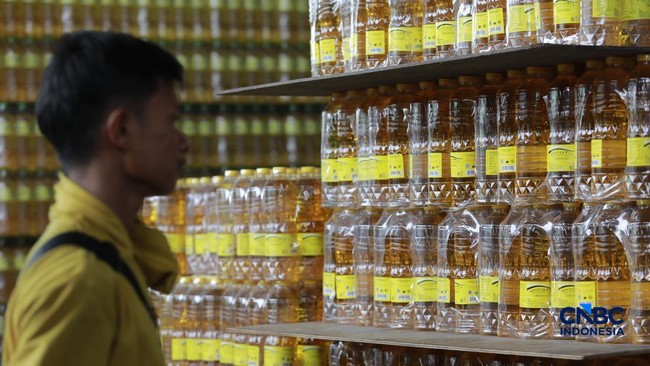
Jakarta, CNBC Indonesia - Global food prices rose in April to the highest level in more than three years. The surge in prices was driven by a sharp increase in vegetable oil prices due to geopolitical tensions related to the Iran war and the effective closure of the Strait of Hormuz.
The United Nations Food and Agriculture Organization (FAO) Food Price Index recorded an increase for the third consecutive month, reaching an average of 130.7 points in April, up 1.6% from March.
This figure represents the highest level since February 2023, or the past three years. It reflects ongoing pressure in the global food market.
FAO Chief Economist Máximo Torero explained that the rise in food prices was mainly triggered by a significant surge in vegetable oil prices.
The increase in global energy costs has boosted demand for biofuels produced from oilseed crops, thereby intensifying pressure on the vegetable oil market.
The FAO vegetable oil index jumped 5.9% throughout April, reaching the highest level since July 2022.
This rise was supported by strengthening prices of palm oil, soy oil, sunflower oil, and rapeseed oil, amid concerns over disrupted global supplies due to escalating tensions in the Gulf region.
Although overall food prices rose, the FAO noted that cereal prices only increased slightly by 0.8% from the previous month.
Abundant stocks from the previous harvest season helped contain a larger price surge in the global market.
At the same time, meat prices rose 1.2% in April, setting a new all-time high, driven by a reduced number of slaughter-ready cattle in Brazil.
Conversely, sugar prices fell 4.7% due to expectations of increased supply from Brazil, China, and Thailand.
The FAO forecasts that pressure on global food prices will continue in the coming period, particularly as fertiliser and global energy costs rise. Experts also warn that the impact on agricultural markets and global food supply chains is likely to be felt across various parts of the world.
The FAO cereal price index rose to 111.3 points, strengthening 0.8% month-on-month. The increase was triggered by a combination of weather factors and tight global supplies in major producing countries.
The rise was recorded in commodities such as wheat, rice, and maize.
The FAO vegetable oil index surged to 193.9 points, up 5.9% and reaching the highest level since July 2022. Vegetable oils are one of the most widely used as cooking oil.
This strengthening was driven by a combination of energy demand factors and supply disruptions. Palm oil rose for five consecutive months due to increased biofuel demand, supported by policy incentives in producing countries and high crude oil prices.
The price increase was also triggered by concerns over declining production in Southeast Asia, such as Indonesia. The rise in soy oil and rapeseed prices was due to biofuel demand in the US and EU.
The FAO meat price index rose to 129.4 points, recording the highest level in history. The increase occurred across nearly all categories, from beef to pork.
Conversely, the dairy index fell to 119.6 points, weakening 1.1%, though still well below last year’s levels.
The main pressure came from the supply side. Butter and cheese prices fell due to abundant milk supplies in the EU. High production in the Oceania region further pressured prices.
The sugar index also fell to 88.5 points, weakening 4.7% and touching the lowest level in recent periods.
The decline was triggered by expectations of global oversupply, particularly due to prospects of high production in Asia, especially China and Thailand. The arrival of the harvest season also caused sugar prices to drop.