
Global fashion trends benefiting Indonesia, observer says
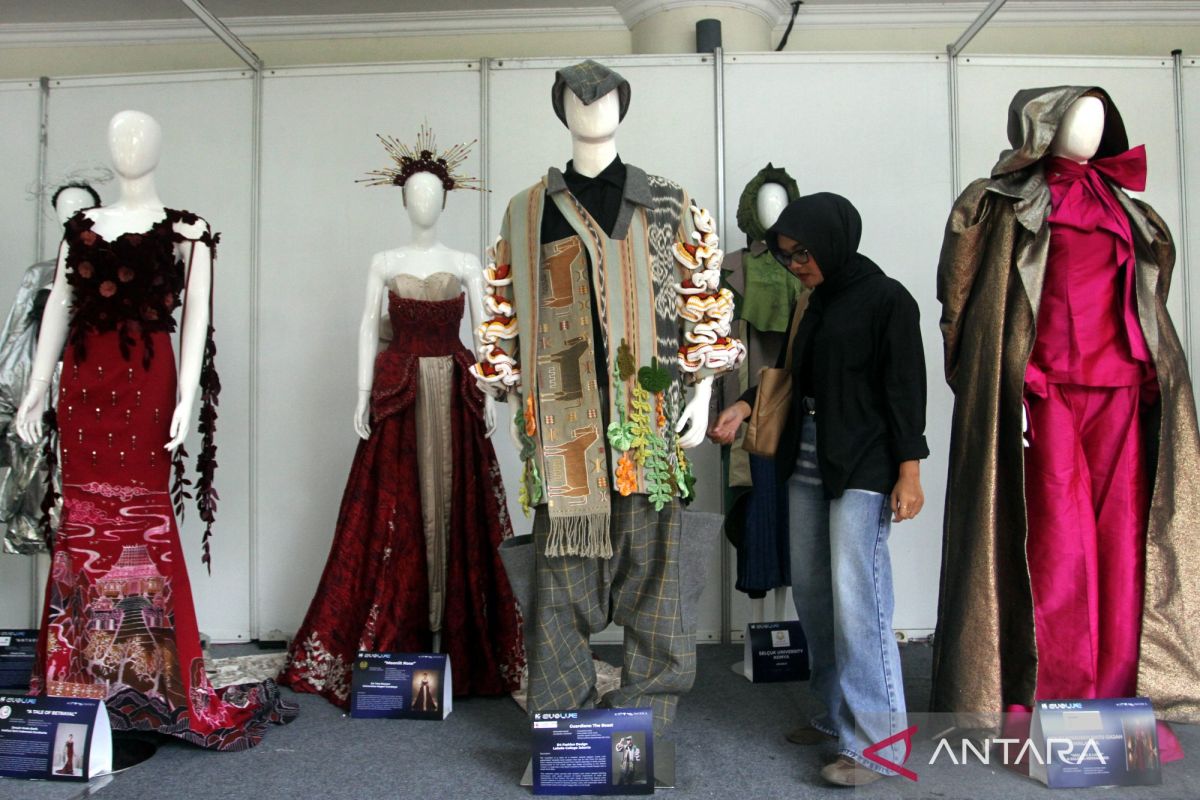
Fashion observer Lisa Fitria has outlined global fashion trends that benefit Indonesia’s fashion industry, including growing interest in authentic products whose production requires high levels of skill and expertise.
“There are several global tendencies that I think are very advantageous for Indonesia. The first is the increasing interest in craftsmanship and products with cultural authenticity,” Lisa told ANTARA in Jakarta on Tuesday.
According to Lisa, global fashion consumers are now more interested in products that have a story, are made with high-level hand skills, display local identity, and do not look like mass-produced goods.
Fashion consumers, she continued, are also more interested in products that are high quality, durable, and ethically made.
These trends present a major opportunity for Indonesia, which has many artisans with extraordinary skills and the ability to weave stories into every piece of work.
Lisa cited the example of artisans in Kudus, Central Java, who still produce Icik embroidery using traditional embroidery machines.
In that region, artisans create intricate embroidery motifs with precision, and the motifs they produce carry philosophical meaning.
“That is the strength of our craftsmanship, so luxury or quiet luxury, which we call slow fashion, has great potential to be developed in Indonesia to go global,” said Lisa, one of the founders of the Indonesian Fashion Chamber (IFC).
According to her, the number of Icik embroidery artisans is now dwindling. She stressed the need for regeneration efforts to preserve a craft that has the potential to deliver high economic benefits.
Lisa said the trend towards sustainably produced fashion also presents an opportunity for Indonesia, which has abundant sustainable material sources as well as skilled designers and garment makers.
The majority of Indonesia’s population is Muslim, and its fashion businesses already have long experience in making modest clothing.
“This is also proven by the Islamic Global Report, which ranks Indonesia first as a centre of innovation and creativity in Muslim fashion design or modest wear,” Lisa said.
In addition, Lisa noted that young people are now drawn to clothing that blends traditional elements with modernity.
This tendency could encourage greater use of Indonesian traditional textiles in the fashion industry and bring economic benefits to traditional fabric artisans in various regions.
“So the direction of development is not merely about making Indonesian fashion for the international market, but also about creating global fashion with Indonesian DNA,” Lisa said.