
Global Energy Crisis, Green Transition, and Opportunities in Sharia Economics
The world is once again entering a new chapter of the global energy crisis. Geopolitical conflicts between the United States, Israel, and Iran since the end of February 2026 have not only sparked military tensions but also shaken the foundations of the global economy. Energy, as the lifeblood of modern civilisation, has once again become a fragile point that reveals how vulnerable the world’s economic system is to geopolitical turmoil.
The latest data indicates that this crisis is not merely a temporary disruption but can be categorised as the largest energy supply disturbance in modern history. This situation has resulted in approximately 25-30% of the world’s oil supply and 20% of liquefied natural gas being disrupted due to the closure of the Strait of Hormuz. This route is one of the most strategic points in global energy trade, and its disruption immediately creates a domino effect worldwide.
Energy prices have also surged sharply. Global oil prices have risen by more than 40% in just a matter of weeks and have temporarily broken above $100 per barrel, with the potential to reach $150 if the conflict continues. Meanwhile, global LNG prices have jumped by up to 60%, worsening global inflationary pressures.
This crisis affirms one thing: the world remains heavily dependent on geographically concentrated fossil fuels that are vulnerable to conflict. However, behind this crisis lies a great opportunity, namely the acceleration of the transition to green energy. The question is, where does Sharia economics stand in this momentum?
The current energy crisis has spread into a global economic crisis. Organisations such as the OECD estimate that inflation in G20 countries will rise to around 4% in 2026 due to the surge in energy prices. Even in the United States, inflation is projected to reach 4.2-4.6%, far above the normal target.
In the Asia-Pacific region, the impact is no less serious. Economic growth is estimated to decline by up to 1.3%, while inflation will increase significantly if the energy crisis persists. This situation shows that the energy crisis not only affects the energy sector but also overall macroeconomic stability.
Furthermore, this crisis raises the risk of stagflation, a combination of high inflation and stagnant economic growth. This situation reminds the world of the 1970s energy crisis, but with greater complexity due to its connection to an increasingly integrated global financial system.
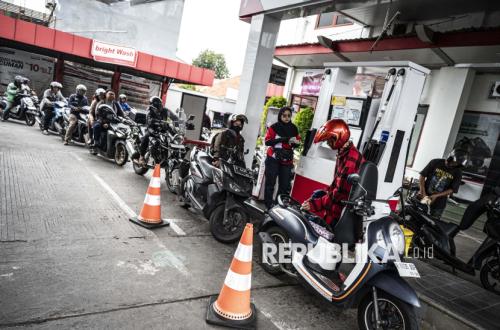
At the micro level, the impact is felt directly by society. Fuel prices rise, transportation costs increase, food prices are pushed up, and people’s purchasing power declines. Vulnerable groups are the most affected.
The global energy crisis is actually creating a strong impetus to accelerate the transition to renewable energy. Countries are beginning to realise that dependence on fossil fuels is not only an environmental issue but also an economic security issue.
Several countries have demonstrated that renewable energy can be a solution. The use of solar, wind, and electric vehicles has proven capable of reducing dependence on fossil fuels and protecting the economy from energy price volatility.
However, this transition is not proceeding smoothly. The same crisis also creates serious obstacles. Disruptions to global supply chains, rising material costs, and high interest rates make investments in renewable energy more expensive and risky.
In Europe, for example, gas prices have surged by more than 70% since the conflict began, while many renewable energy projects are facing delays due to permitting and financing issues. Ironically, in the short term, some countries are even increasing their use of coal and fossil fuels to maintain energy supply stability. This situation creates a paradox: the energy crisis pushes for a green transition but also slows it down.
Amid these dynamics, Sharia economics offers a different perspective. In the Islamic view, natural resources including energy are not merely economic commodities but trusts that must be managed for the common good. The concept of public ownership (milkiyah ’ammah) emphasises that strategic resources like energy should be managed for the benefit of the wider community, not monopolised by a few parties.
This differs from the global capitalist system, which often turns energy into an object of speculation and geopolitical interests. The current global energy crisis shows how energy can become a tool of power as well as a source of injustice. Poor countries must pay higher prices for energy largely controlled by major countries and corporations. Sharia economics emerges with a more just approach, emphasising distribution, sustainability, and social responsibility.
This is where the great opportunity for Sharia economics lies. The transition to green energy requires massive investments. According to various global reports, the need for clean energy investment reaches trillions of dollars in the coming decades.
Sharia economics has instruments that can play a strategic role in financing this transition. The first instrument is green sukuk. Indonesia has become one of the pioneers in issuing green sukuk worldwide. This instrument enables the financing of renewable energy projects in accordance with Sharia principles.
Green sukuk not only appeals to Muslim investors but also to global investors concerned with sustainability (ESG). In the context of the global energy crisis, green sukuk can become a stable and ethical financing solution.
The second instrument is energy waqf. Waqf can be developed to build renewable energy infrastructure, such as community-based solar power plants. This model not only provides affordable energy but also creates self-reliance.
Source: jawawa.id (https://jawawa.id/newsitem/global-energy-crisis-green-transition-and-opportunities-in-sharia-economics-1775011849)
Originally published by Republika (https://analisis.republika.co.id/berita/tcsjpc393/krisis-energi-global-transisi-hijau-dan-peluang-ekonomi-syariah), translated from Indonesian