
Global Economy at Risk as US Prepares Fresh Offensive and Iran Threatens Retaliation
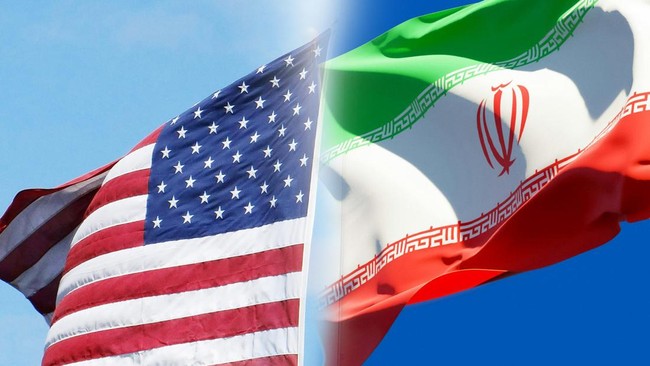
The United States has issued a stark threat to Iran, preparing to launch what it describes as the largest financial attack in history. In response to the aggressive manoeuvre, Tehran has vowed to halt all oil exports from the Gulf region if the economic war continues.
US Treasury Secretary Scott Bessent is scheduled to hold a press conference on Monday at 1pm local time to announce far heavier sanctions measures. The new economic sanctions will specifically target Iran’s trading partner countries.
In an opinion piece published in the Financial Times on Sunday, Bessent signalled that the US would target countries practising appeasement by engaging with Iran’s economy and financial system. “As dawn breaks, the economic D-Day begins, the single largest financial strike ever deployed against an adversary. They would be wise to consider the consequences of maintaining it,” he wrote.
The D-Day threat was met with anger by the Secretary of Iran’s Supreme National Security Council, Mohsen Rezaei, who hinted at absolute economic retaliation from Tehran. “If the economic war continues, not a single drop of oil will be exported, whether through the Strait of Hormuz or from anywhere in the Persian Gulf. Iran will consider any country’s participation in or support for America’s economic war against the Iranian people as an act of war,” he asserted.
Regarding the targeting of trading partners, Bessent had previously urged China to cooperate, given that Beijing has historically received half of its oil imports from the Gulf region. However, a spokesperson for the Chinese Embassy in Washington rejected the US strategy outright and called for continued diplomacy. “Sanctions and pressure do not help resolve problems,” the spokesperson said.
With no official face-to-face talks between the US and Iran since June, other countries continue to attempt mediation. Pakistan’s Chief of Army Staff, Asim Munir, is scheduled to visit Tehran on Monday as part of efforts to restore peace, and is expected to discuss the new US sanctions threat.
The two warring nations have not launched direct military strikes against each other for weeks, but negotiations to end the six-month conflict remain stalled. The deadly war, which began with US and Israeli strikes on 28 February, has killed thousands of people, mostly in Iran and Lebanon. The conflict has drained Iran’s conventional military capacity, destroyed infrastructure, and killed Iran’s Supreme Leader Ayatollah Ali Khamenei. On the US side, 18 military personnel have been reported killed and more than 750 wounded.
Nevertheless, Iran is known to retain sufficient missile and drone capabilities to strike its Gulf neighbours and threaten tankers in the Strait of Hormuz, risking a halt to global shipping traffic and upward pressure on world fuel prices. The exact status of Iran’s nuclear programme, which the US and Israel seek to destroy, remains unknown.
Domestically, Iran’s economy has already been bleeding from international sanctions, high inflation, currency weakness and an energy crisis before the US and Israel destroyed part of its infrastructure. Iranian officials have warned that heavier economic punishment risks increasing public suffering, triggering fresh unrest and further eroding the Islamic Republic’s legitimacy amid the burden of post-war reconstruction costs.
Source: jawawa.id (https://jawawa.id/newsitem/global-economy-at-risk-as-us-prepares-fresh-offensive-and-iran-threatens-retaliation-1787615437)
Originally published by CNBC Indonesia (https://www.cnbcindonesia.com/news/20260824132303-4-761898/ekonomi-dunia-bisa-gawat-as-mau-bikin-ulah-lagi-iran-balik-mengancam), translated from Indonesian