
Global Backlash: Data Centres Face Bans and Moratoriums Over Environmental Fears
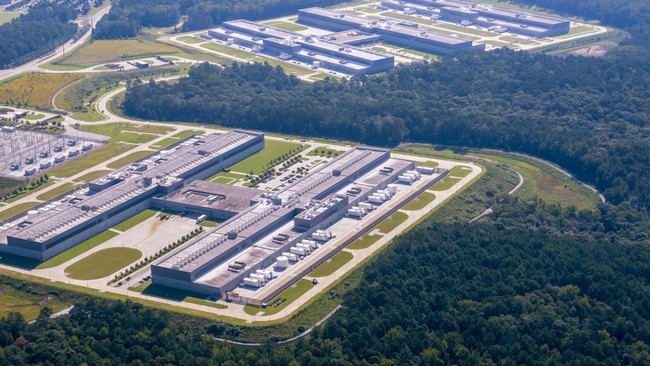
A wave of rejection against data centre construction is spreading across the globe. Several regulators and city governments are choosing to limit or even halt the development of new data centres, driven by concerns over their impact on the environment and local communities amidst the rapid advancement of artificial intelligence (AI).
In the United States, New York became the first state to impose a full moratorium on data centres requiring 50 megawatts (MW) of electricity or more. Governor Kathy Hochul enacted the temporary halt on construction for one year. During this period, the New York Department of Environmental Conservation will not issue new discretionary permits, using the time to develop standards for assessing the environmental impact of data centre construction.
A similar effort emerged in Maine, where a bipartisan bill proposed an 18-month moratorium on new data centres. Governor Janet Mills vetoed the legislation, stating she supported the concept of a moratorium but rejected the bill because it failed to provide an exemption for a specific project in the Town of Jay.
On the West Coast, the city of Monterey Park, California, took a more definitive step. In June 2026, residents voted to permanently ban the construction of data centres, making it the first US city to enact such a prohibition via public referendum following local opposition to a planned facility.
Europe has also seen significant pushback. In the Netherlands, the city of Amsterdam initially imposed a one-year moratorium, which was later extended. By April 2025, the city tightened its policy, banning both new data centre construction and the expansion of existing facilities until at least 2030. Nationally, the Dutch government has prohibited new hyperscale data centres since 2022, restricting large-scale facilities to just two designated locations. Despite this, Microsoft received approval in January 2026 to build a project split into three separate towers, each falling below the regulatory size threshold.