
Gillette and Levi’s Remain in the Spotlight After FIFA Covers Stadium Logos
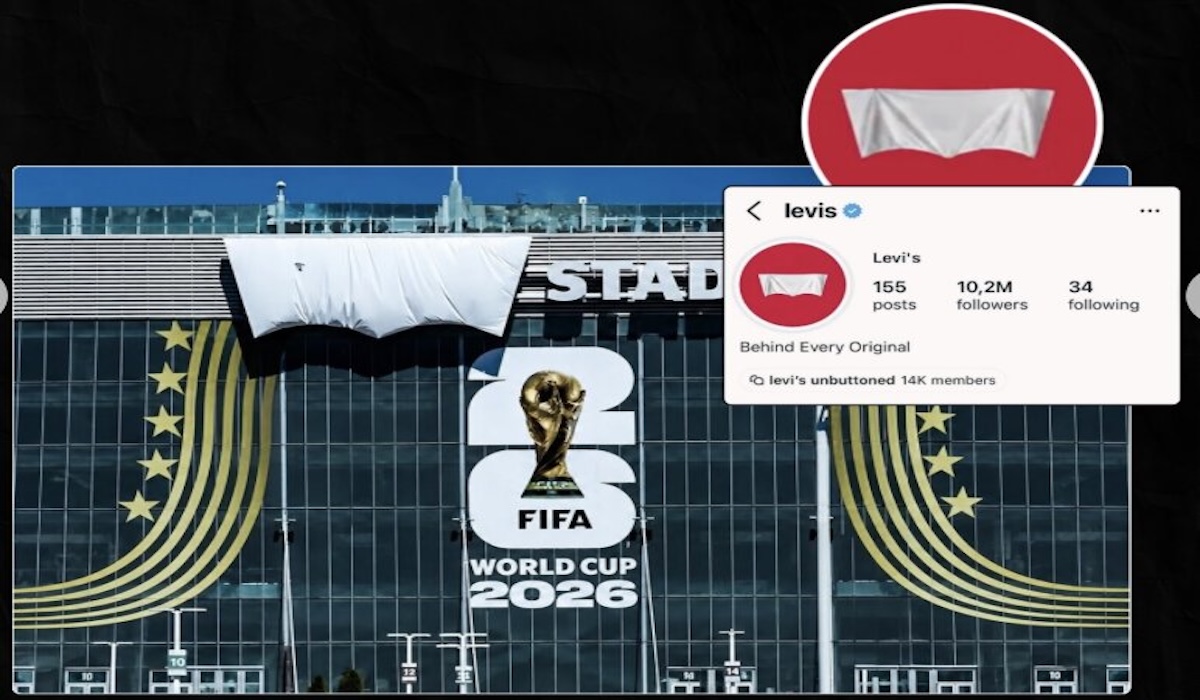
FIFA’s ‘clean stadium’ regulations have come under scrutiny after several non-sponsor brands gained significant attention on social media. In the organisation of major tournaments such as the 2026 World Cup, FIFA implements strict rules to ensure stadiums and match areas are free from the logos of brands that are not official sponsors. The objective is clear: to maintain the exclusivity of sponsors who have paid for the tournament’s commercial rights.
However, in several instances, these rules have produced the opposite effect. Brands that were intended to ‘disappear’ have instead become subjects of intense public discussion.
One notable example is Levi’s Stadium. The stadium’s logo was covered with tarpaulin, yet the distinctive Levi’s ‘batwing’ shape remained easily recognisable. Rather than remaining silent, Levi’s utilised the image of the covered logo as their profile picture. This move was considered a clever strategy, successfully transforming a restriction into organic promotional material.
A similar case occurred with Beats. FIFA reportedly requested that Jamal Musiala cover the Beats logo on the headphones he was wearing. Beats responded by covering their own logo, mimicking the situation as part of their brand communication.
The most widely discussed case involves Gillette Stadium. Because the name ‘Gillette’ is directly attached to the stadium, FIFA renamed it ‘Boston Stadium’ for the tournament’s purposes. Furthermore, the Gillette logos on approximately 64,000 stadium seats were covered. This sight triggered extensive conversation across the internet.
Netizen comments have been varied. Many believe the rule demonstrates FIFA’s extremely strict commercial side, while others have labelled it ‘unmarketing genius’, noting that the attempt to hide the logos actually increased public awareness of the brands.
This phenomenon demonstrates that in the era of social media, covering a logo does not necessarily mean erasing exposure. Large brands with strong visual identities can still be recognised even when their logos are obscured. In fact, prohibitions and restrictions can sometimes serve as more powerful campaign material than paid advertising.
Ultimately, the rules intended to provide exclusive exposure to official sponsors have instead provided an additional platform for non-sponsor brands. In this instance, while FIFA may have succeeded in covering the logos, they failed to suppress the public conversation.