
Gilimanuk Buffer Zone Eases Queues, Parliament Suggests Adding Docks
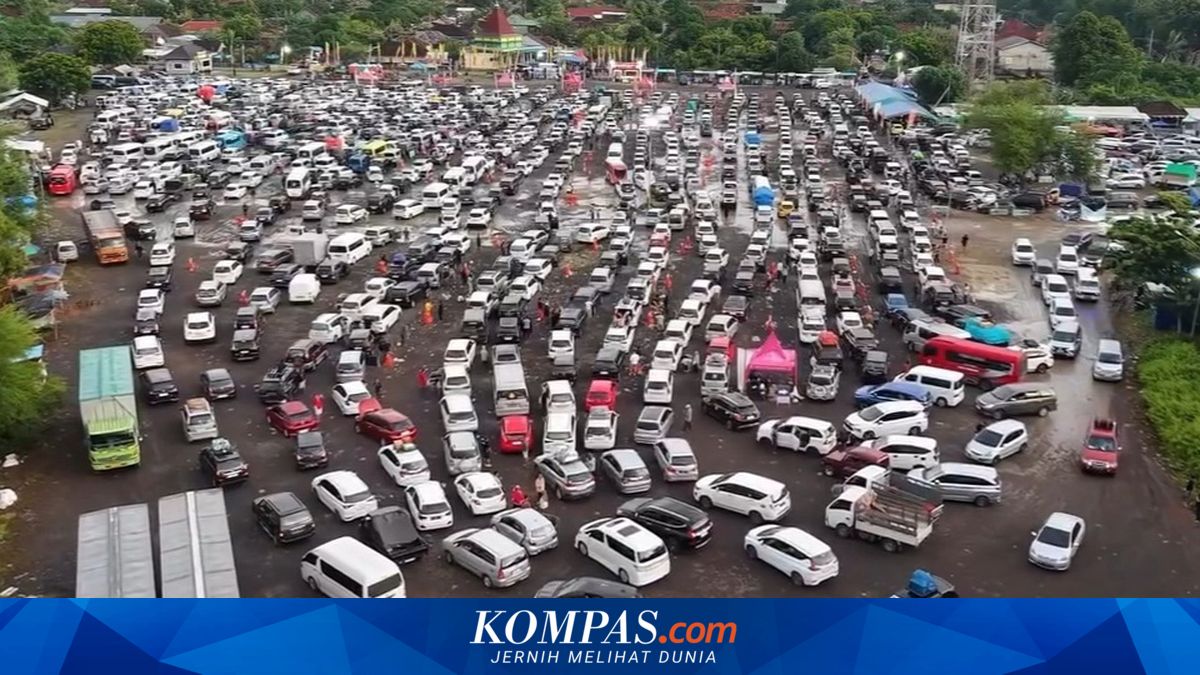
JAKARTA, KOMPAS.com — Long queues at Gilimanuk Port have begun to dissipate after all vehicles successfully entered the buffer zone area. However, behind this improvement in traffic flow, the House of Representatives (DPR RI) has warned of underlying structural issues that could disrupt logistics distribution and price stability.
Vehicle density on the Ketapang-Gilimanuk crossing previously reached around 36 kilometres and gradually shrank to 20 kilometres on Tuesday (17/3/2026). This situation underscores the importance of strengthening infrastructure on this strategic crossing route.
“When tourism grows, logistics will certainly grow as well. This requires anticipation, while currently the number of ship trips is not increasing due to dock limitations,” said Member of Commission VII of DPR RI Bambang Haryo Soekartono in a written statement on Wednesday (18/3/2026).
He assessed that repeated long queues should not be taken lightly as they can hinder economic activities, especially during the Eid homecoming and holiday momentum.
Based on field monitoring on Wednesday (18/3/2026) at 16:30 WITA, no more vehicle queues were found outside the port area. Service users have been distributed to the Cargo Buffer Zone.
“This queue dispersal is the result of joint efforts, from optimising ship operations, traffic management, to maximum utilisation of the buffer zone,” said Deputy Director of PT ASDP Indonesia Ferry (Persero) Yossianis Marciano.
“We ensure that services continue to run optimally so that service users can be well served,” he added.
Director General of Land Transportation at the Ministry of Transportation Aan Suhanan added that since 16:00 WITA, all vehicles have been accommodated in the buffer zone, so there are no more queues outside the port.
“It is time to immediately build at least two dock units. Thus, those docks can accommodate ships that are currently idle, numbering more than 20 ships,” he said.
“With that, the transport capacity can increase by around 30 per cent,” he continued.
According to him, logistics distribution obstacles on that route can even cause congestion for more than 10 hours. This situation risks triggering inflation due to disrupted goods supply.
“Therefore, logistics distribution must be smoothed,” he stated.