
Gibran Reiterates Push for Asset Forfeiture Bill
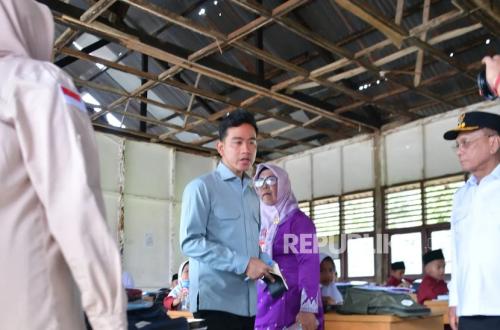
REPUBLIKA.CO.ID, JAKARTA — Vice President Gibran Rakabuming Raka has once again pushed for the swift enactment of the Asset Forfeiture Bill (RUU Perampasan Aset) as a key instrument to strengthen the fight against corruption in Indonesia. According to Gibran, corruptors should not merely be imprisoned; they must also be impoverished, with all assets derived from their crimes returned to the state.
Gibran conveyed this statement through a reposted video on his personal Instagram account on Saturday (25 July 2026). The post noted that the video was first published in February 2026 and was reposted in July 2026 amid intensifying discussions on the Asset Forfeiture Bill.
“If we are truly serious about eradicating corruption, then corruptors must be impoverished. Corruptors must know that corruption does not only mean they will sleep behind bars, but that the state can also take back everything they stole,” Gibran said.
Gibran highlighted the persistently low rate of state loss recovery from corruption cases. Citing Indonesia Corruption Watch (ICW) data for 2013–2022, he noted that potential state losses from corruption reached Rp238 trillion.
Meanwhile, based on the Attorney General’s Office case handling data for 2024, potential state losses amounted to Rp310 trillion. Yet assets successfully recovered into the state treasury totalled only around Rp1.6 trillion.
“More than 90 per cent of assets derived from corruption simply vanish and continue to be enjoyed by the perpetrators and their relatives,” Gibran said.
According to him, the situation is exacerbated by increasingly sophisticated criminal methods that are organised and cross-border in nature, exploiting modern technology to hide assets and launder money.
Therefore, Gibran views the Asset Forfeiture Bill as a strategic step to strengthen the recovery of state assets. He explained that the state must have the authority to seize assets proven to originate, whether directly or indirectly, from criminal offences.
“The principle is simple: as long as an asset can be proven to originate, directly or indirectly, from criminal offences such as corruption, narcotics, illegal mining, illegal fishing, illegal logging, online gambling, or human trafficking (TPPO), the state has the authority to seize those assets and return them as state assets,” he asserted.