
Giant Power Generators! The 10 Largest Power Plants in the World
Giant Power Generators! The 10 Largest Power Plants in the World
Jakarta, CNBC Indonesia - The world’s largest power plants are not just about energy, but also about economic power and geopolitics. From massive dams in China to cross-border projects in Latin America, a handful of mega-projects now form the backbone of global electricity supply.
Here are the world’s largest power plants, ranked by installed capacity (MW) in megawatts.
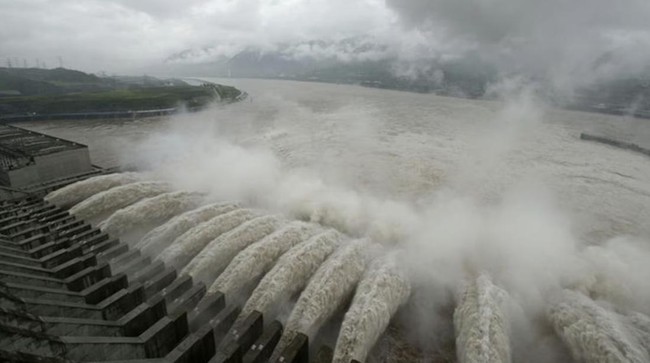
- Three Gorges Dam, China
The world’s largest power plant stands on the Yangtze River and symbolises China’s energy ambitions. With a capacity of around 22,500 MW, this project not only supports large-scale domestic electricity needs but also reflects how energy infrastructure can serve as an instrument of national power.
- Itaipu Dam, Brazil - Paraguay
Itaipu is a rare example of cross-border energy cooperation. Built and operated jointly by Brazil and Paraguay on the Paraná River.
With a capacity of around 14,000 MW, Itaipu ranks among the world’s largest hydroelectric power plants and forms the backbone of electricity supply for both countries.
- Xiluodu Dam, China
The Xiluodu Dam is located on the Jinsha River, with a capacity of around 13,860 MW, placing this dam just below Itaipu and making China the only country with three power plants in the top 10 worldwide.
- Belo Monte Dam, Brazil
Belo Monte is one of Brazil’s most ambitious yet controversial energy projects. Standing in the Amazon valley, this dam has a capacity of around 11,233 MW.
The Belo Monte Dam is one of the largest projects ever undertaken by Brazil, although its construction was marked by prolonged debates over environmental and social impacts.
- Guri Dam, Venezuela
Guri is one of the oldest large dams still in operation and remains the backbone of Venezuela’s electricity system.
This power plant contributes the majority of the country’s national electricity supply, making it the most strategic energy asset in the nation. With an installed capacity of around 10,200 MW, Guri is on par with modern dams in terms of output.
However, unlike new projects, Guri reflects the early era of global hydroelectric expansion, when countries began relying on large dams as the foundation of national energy systems.
- Wudongde Dam, China
Wudongde represents the latest generation of Chinese dams, built with modern technology and high efficiency. With a capacity of 10,200 MW, this project strengthens China’s dominance in the list of the world’s largest power plants.
Wudongde also forms part of China’s energy transition strategy, where hydropower is used to reduce reliance on coal.
- Jebel Ali Power Plant, Dubai
Jebel Ali does not rely on water, but on natural gas. Located in Dubai, it is recognised as the world’s largest gas-powered power plant.
This power plant, with a capacity of around 8,595 MW, also supports seawater desalination, a vital function in a region with limited freshwater sources.
This combination of energy and water makes Jebel Ali a strategic infrastructure supporting life in the desert region.
- Tucuruí Dam, Brazil
Tucuruí is one of the first major hydroelectric projects in the Amazon region. With a capacity of 8,370 MW, this dam plays an important role in supplying electricity to northern Brazil.
Although considered an older project, Tucuruí remains relevant to this day and serves as proof of how energy infrastructure can endure across decades.
- Wind Power Plant, China
Jiuquan is the world’s largest wind power plant. Located in China’s Gansu region, this complex is not just an ordinary wind farm, but one of the largest renewable energy projects ever built.
With a capacity of 7,900 MW, Jiuquan reflects China’s ambition to accelerate the energy transition from coal dependency to cleaner and more sustainable sources.
- Kori Nuclear Power Plant, South Korea
The Kori Nuclear Power Plant represents the strength of nuclear energy in providing large-scale electricity with relatively low carbon emissions. Located in Busan, South Korea, this facility consists of several reactors working in an integrated manner to generate power of up to around 7,480 MW.