
Giant Gold Reserve of More Than 1,000 Tonnes Discovered in China
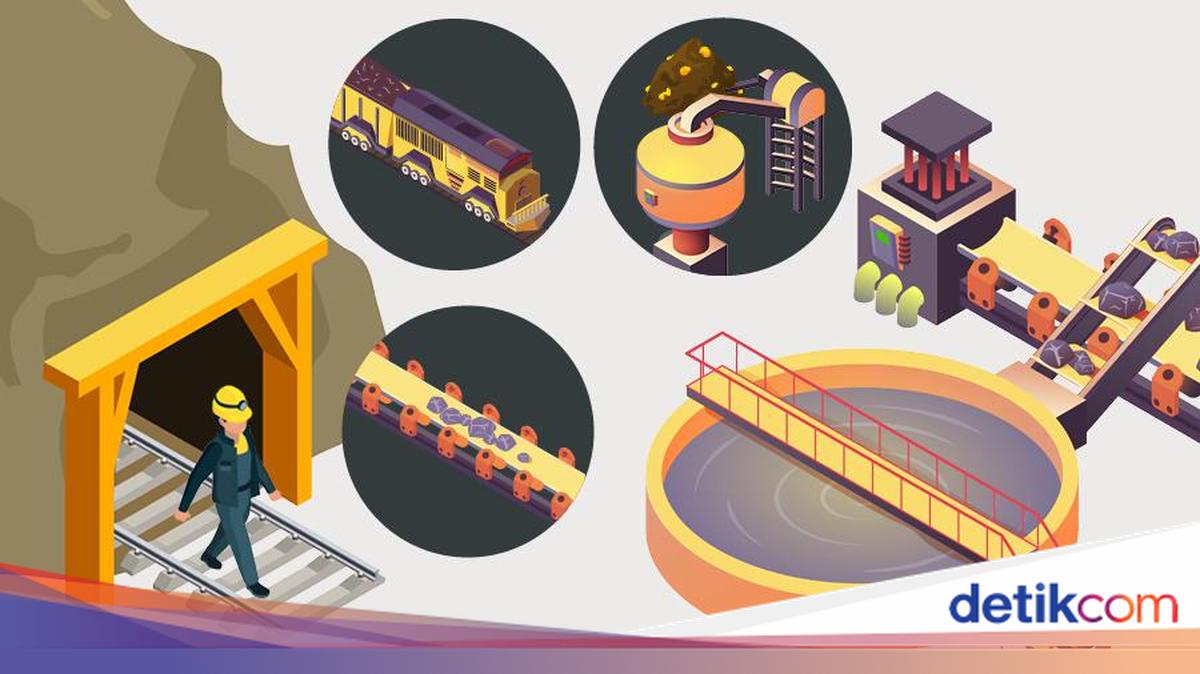
A potential giant gold deposit has been discovered by geologists beneath the Wangu gold field in Pingjiang County, Hunan, China. The area is estimated to hold more than 1,000 tonnes of gold. However, that figure still requires independent verification.
The discovery is notable not only for the quantity of gold but also for the very high gold grades found in a number of rock samples. One drill core even showed a content of up to 138 grams of gold per tonne of ore.
Exploration at Wangu has identified more than 40 gold-bearing veins to a depth of around 3,000 metres. At a depth of about 2,000 metres, researchers found around 300 tonnes of identified gold reserves. Three-dimensional geological modelling then estimated that the total could exceed 1,000 tonnes down to a depth of 3,000 metres.
“Many of the drilled rock cores show visible gold,” said Chen Rulin, an ore exploration expert from the Geological Bureau of Hunan Province.
Researchers have also carried out exploratory drilling along more than 65 kilometres around the area to track further mineralisation. In gold mining, what is calculated is not only how much gold lies underground, but also its grade.
A grade of 138 grams per tonne means that every tonne of rock in that sample contains up to 138 grams of gold. Profitable gold mines generally extract around 1–3 grams of gold per tonne of ore, while deposits with a grade of 10 grams per tonne are already considered very high.
However, the figure of 138 grams per tonne is the maximum result from a particular sample, not an indication that the entire deposit has such a high grade. The average grade across the whole deposit is one of the things that needs to be established through further drilling and analysis.
There is an interesting geological explanation for the concentration of gold in quartz veins. Research published in 2024 by researchers at Monash University proposed that the piezoelectric properties of quartz may play a role in the formation of certain gold concentrations.
Quartz can generate an electric charge when subjected to mechanical stress. In tectonically active environments deep below the surface, pressure and the release of pressure on rocks can produce electrical pulses.
In laboratory experiments and modelling, that process has been shown to help draw dissolved gold out of mineral-rich fluids and deposit it onto existing gold grains. It is important to note, however, that the research did not specifically examine the Wangu deposit.
The Hunan provincial government did announce an estimate of more than 1,000 tonnes of gold. But that figure still requires third-party verification. There has not yet been an independent audit by an external geological consultant confirming the entire estimate.
It is therefore still too early to call Wangu the world’s largest gold deposit. The figure of around 300 tonnes at a depth of 2,000 metres represents identified reserves, while the figure of more than 1,000 tonnes is an estimate derived from modelling and further exploration.
If the estimate is eventually proven, the Wangu deposit would be a highly significant discovery. But additional drilling, ore grade testing, independent verification, environmental studies and a mining feasibility study are still needed before it is known how much gold can actually be mined economically.
Source: jawawa.id (https://jawawa.id/newsitem/giant-gold-reserve-of-more-than-1-000-tonnes-discovered-in-china-1787885425)
Originally published by detikBali (https://www.detik.com/bali/berita/d-8637572/cadangan-emas-raksasa-lebih-dari-1-000-ton-ditemukan-di-china), translated from Indonesian