
Giant Dinosaur Identified from Fossils in Thailand, Named Nagatitan
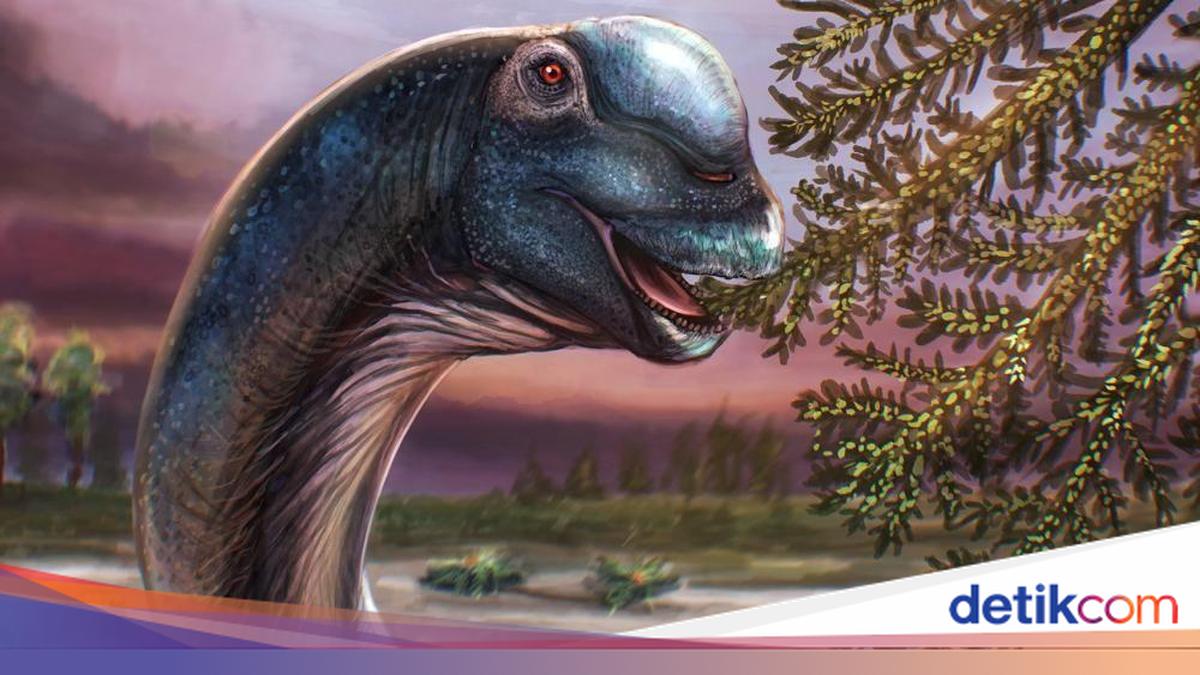
Scientists have identified a new species of giant, long-necked dinosaur from fossils found in Thailand. The dinosaur, named Nagatitan, is the largest ever discovered in Southeast Asia. The animal is estimated to have weighed 27 tons, about the same as nine adult Asian elephants, and measured 27 meters long, longer than a diplodocus. Like the dinosaur, Nagatitan belongs to the sauropod family, which are long-necked herbivores. A team of researchers from the UK and Thailand identified the species based on fossils found near a pond in northeastern Thailand about a decade ago. They say the discovery provides new insights into how changing ancient climate conditions allowed giant dinosaurs to evolve. The dinosaur’s full name is Nagatitan chaiyaphumensis. The word “naga” refers to a serpent-like creature in Southeast Asian mythology, “titan” refers to the gods in Greek mythology, and chaiyaphumensis means “from Chaiyaphum,” the province where the fossils were found. The dinosaur lived between 100 and 120 million years ago, about 40 million years before Tyrannosaurus rex, and was about twice its size. Thitiwoot Sethapanichsakul, a Thai doctoral student at University College London (UCL), was the lead author of the study, which was published in the journal Scientific Reports. He said the researchers are calling Nagatitan the “last titan” of Thailand because its fossils were found in a rock formation that is the youngest dinosaur-bearing layer in the country. “The younger rock layers, which formed closer to the end of the dinosaur age, are less likely to contain dinosaur remains because the area was then a shallow sea. Therefore, this may be the last or youngest large sauropod to be found in Southeast Asia,” he said. Sethapanichsakul, who says he is a “dinosaur enthusiast,” said in a UCL press release that the study also “fulfilled a childhood promise to name a dinosaur.” Nagatitan is the 14th dinosaur to be named in Thailand. Paleontologist Dr. Sita Manitkoon of Mahasarakham University said that the country has a high diversity of dinosaur fossils and “may be the third largest in Asia in terms of the number of dinosaur remains found.” Nagatitan lived at a time when carbon dioxide levels in the Earth’s atmosphere were increasing and global temperatures were high. One of the study’s authors, Professor Paul Upchurch of UCL, said that the sauropod family of dinosaurs grew very large at that time. He told National Geographic that it was “somewhat surprising that sauropods were able to survive in higher temperatures,” given that large bodies tend to retain heat and are more difficult to cool. He also told Reuters that “the higher temperatures may have affected the availability of plants, which were an important food source for sauropods, which were very large herbivores.”