
Getting to know the three faces of Betawi as Jakarta approaches five centuries
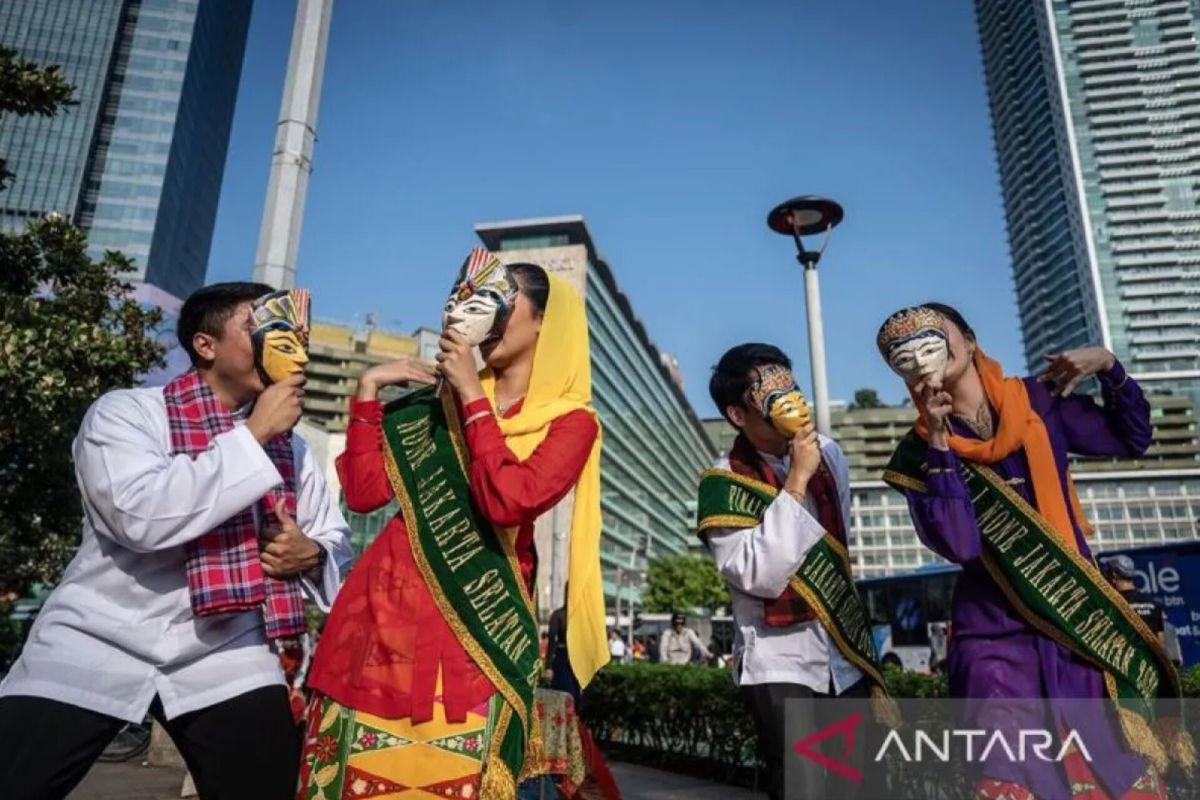
Jakarta has quietly entered its 499th year, just one year away from the historic milestone of five centuries for the city commemorated every 22 June. Behind the glitter of the capital lies the Betawi community, known as the original inhabitants of Jakarta. However, not many realise that Betawi culture is not actually monolithic. Betawi is the result of a mixture of various ethnicities and cultures that took place over hundreds of years, ranging from Malay, Sundanese, Javanese, Arab, Chinese, to European. This assimilation process gave birth to diverse cultural characters that developed according to the geographical conditions and history of their regions. Each possesses distinctive characteristics, whether in terms of language, arts, traditions, or the patterns of community life.
Chairman of the Bamus Betawi Customary Council, M Rifqi, familiarly known as Eki Pitung, explained that the Betawi community is generally recognised in three groups: central Betawi, fringe Betawi, and coastal Betawi. According to Eki Pitung, the identity of the Betawi people began to be popularised intellectually in the period leading up to the 1928 Youth Pledge by the Betawi figure Muhammad Husni Thamrin. However, the historical roots of the Betawi community are actually much longer, traceable even to the era of Sunda Kelapa in the 16th century. When Fatahillah seized Sunda Kelapa from the Portuguese in 1527, the area became a meeting place for various community groups from Aceh, Banten, Cirebon, as well as traders from different regions and nations. Islamic and Malay cultural influences became one of the strongest elements in the development of Betawi society. Later, when the VOC took control of the area and renamed it Batavia, European influence further enriched the local culture. From this European influence emerged the Betawi culture known today as the result of a mixture of various cultural elements over hundreds of years. Nonetheless, the division of Betawi into central, fringe, and coastal groups did not actually emerge from the very beginning.