
Getting to Know the Sang Hyang Dedari Dance: Its History and Spiritual Meaning
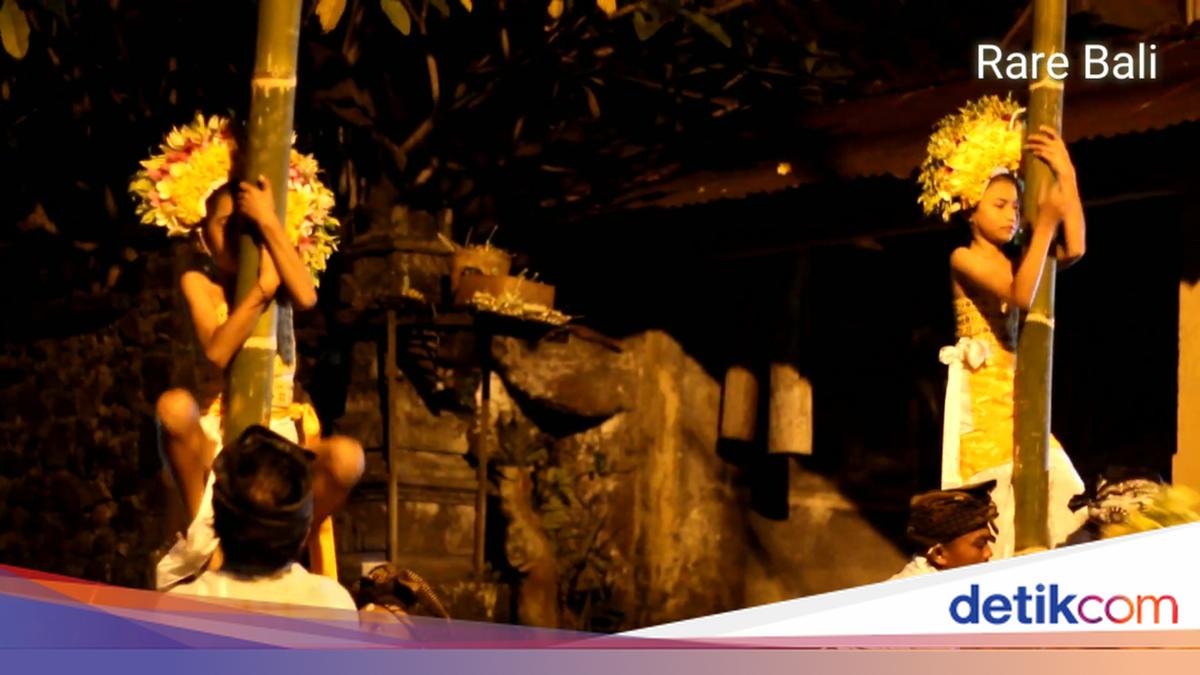
Imagine a group of girls dancing with their eyes closed, following the rhythm of sacred chants without relying on their sight.
This is one of the distinctive features of the Sang Hyang Dedari, a sacred tradition in Balinese culture. The dance is not merely an artistic performance, but part of a community religious ritual associated with warding off misfortune and praying for safety.
What, then, is the history and meaning behind this spiritually rich dance?
History of the Sang Hyang Dedari Dance
Long before it became known as part of Bali’s cultural heritage, the Sang Hyang Dedari existed within the ritual traditions of local communities.
The dance did not emerge simply to entertain an audience; it is closely connected to spiritual beliefs and the community’s hopes of avoiding epidemics and danger.
In the Sang Hyang tradition, dance is combined with sacred chants and a series of rituals. Communities regard the proceedings as a way of praying for protection and safety. Because it is sacred, the Sang Hyang Dedari should not simply be equated with Balinese dances staged specifically for entertainment or tourism.
The tradition also reflects the close relationship between culture, nature and the lives of Balinese communities. Research on the Sang Hyang Dedari in Geriana Kauh Traditional Village, Karangasem, for example, records links between the tradition, agricultural rituals and the rice-growing cycle. This practice shows that the meaning of the Sang Hyang Dedari can be connected to the needs and beliefs of the communities that have passed the dance down.
Meaning and Purpose of the Sang Hyang Dedari Dance
The Sang Hyang Dedari is more than a sequence of movements accompanied by traditional chants. For communities that continue to perform the ritual, the dance has spiritual meaning and forms part of an effort to pray for the safety of the village and its residents.
One purpose often associated with the Sang Hyang tradition is to ward off misfortune: a prayer for protection from epidemics, illness and various dangers. This belief is rooted in local spiritual perspectives, in which rituals are considered important to maintaining the balance of life.
Sacred chants, offerings and customary proceedings accompany the ritual. Each element has its own place in the tradition, which has been passed down through generations. The Sang Hyang Dedari therefore has artistic value, but also reflects Balinese communities’ relationship with belief, the environment and ancestral heritage.
Although its spiritual purpose is widely recognised, the way the ritual is performed and understood can differ from one traditional village to another. The tradition should be understood in the context of the communities that safeguard it, rather than simply as a performance distinguished by the dancers’ movements.
Distinctive Features of the Sang Hyang Dedari Dance
The Sang Hyang Dedari has characteristics that distinguish it from Balinese dances in general. This sacred dance is performed by girls who have not yet menstruated. In the beliefs of communities that practise the ritual, they are considered still pure and play an important role in the Sang Hyang ceremony.
Before dancing, the performers undergo a series of rituals accompanied by sacred chants. One stage known in this tradition is nusdus or ngukup, a rite associated with the dancers’ spiritual preparation. According to local beliefs, the dancers may then experience kerauhan, a state understood to be connected with the presence of a sacred spirit.
This state is also associated with the distinctive movements performed with the dancers’ eyes closed. They are believed not to be fully conscious of the movements they make while in this state. Their movements may include sweeping their hands with a sash and swaying their bodies, following the sequence of the performance observed in each village.
In Geriana Kauh Traditional Village, Karangasem, oral tradition recounts that the dance emerged when the community was facing an epidemic and pest problems in its rice fields. In this account, two girls who had not yet menstruated were believed to have experienced kerauhan and danced with their eyes closed while residents sang. The community later associated the dance with a ritual to ward off misfortune.
This account is the origin story passed down by the people of Geriana Kauh, not the only story about the emergence of the Sang Hyang Dedari across Bali. Differences in accounts and ceremonies from one area to another are part of the tradition’s richness.
Source: jawawa.id (https://jawawa.id/newsitem/getting-to-know-the-sang-hyang-dedari-dance-its-history-and-spiritual-meaning-1794250236)
Originally published by detikBali (https://www.detik.com/bali/budaya/d-8745396/mengenal-tari-sang-hyang-dedari-dari-sejarah-hingga-makna-spiritualnya), translated from Indonesian