
Getting to Know South Korea Better: From Diplomacy to 'BMW'
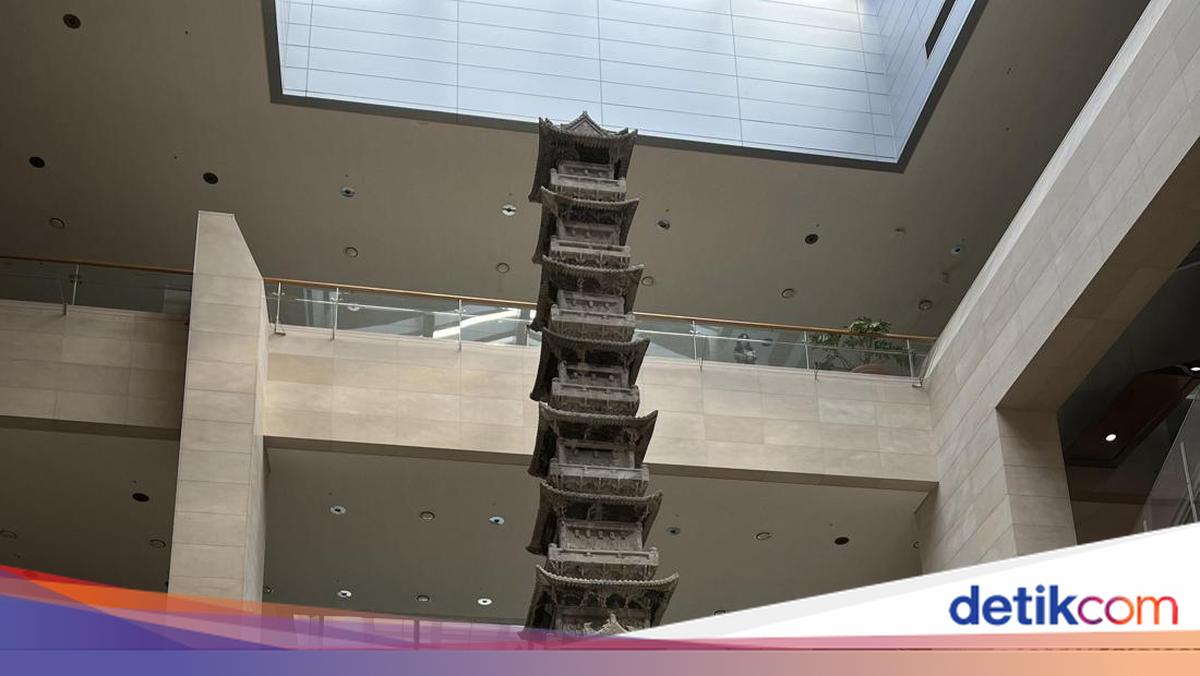
Summer had not yet fully arrived when we landed in South Korea. The cool air of the late spring transition was still palpable as we set foot at Incheon Airport. This atmosphere was the prelude to our week-long journey exploring the Land of Ginseng. detikcom, along with a number of journalists from various media outlets, had the opportunity to visit South Korea as part of The Indonesian Next Generation Journalist Network programme, organised by the Korea Foundation in cooperation with the Foreign Policy Community Indonesia (FPCI) in mid-June. The programme provided an opportunity to get to know South Korea more closely, whilst celebrating the close friendship between Indonesia and South Korea. Upon arriving in Seoul, we headed straight to Samcheonggak for a welcome luncheon. Korea Foundation Executive Vice President Yonguk Kim and his team welcomed the journalists participating in the programme. A convivial atmosphere was evident in the casual conversations at the restaurant, which was full of cultural and artistic nuances. The journey then continued to the National Museum of Korea. There, we were invited to trace the historical and cultural journey of South Korea through the ages. One of the most captivating collections was the Ten-Storey Stone Pagoda standing majestically in the centre of the museum. The pagoda is known for blending the traditional style of the Goryeo Dynasty with exotic influences adopted through the Yuan Dynasty of China. Behind its splendour, the pagoda also holds a bitter past story for South Korea. In 1907, the pagoda was illegally taken to Japan. However, thanks to the persistence and hard efforts of various parties, the pagoda was successfully reclaimed and returned to Korea in 1918. After leaving the museum, we travelled by bus to Banpo Hangang Park. The beautiful evening atmosphere at the park concluded our first day’s journey. We had dinner overlooking the calm Han River. The following day, we visited the National Assembly Building of South Korea. The Chair of the National Assembly’s South Korea-Indonesia Friendship Committee, Gi-hyeon Kim, received the group of journalists in the Diplomacy and Unification Committee room. He explained that the relationship between Korea and Indonesia has been close for a long time. Bilateral ties are also strengthened through various people-to-people exchange programmes, including The Indonesian Next Generation Journalist Network. Through this activity, journalists have the chance to meet various parties from different institutions and see South Korea’s development from multiple perspectives. Diplomatic relations between Indonesia and South Korea have been established since 1973. In 2023, the two countries celebrated their 50th anniversary of diplomatic relations. At that time, Gi-hyeon was serving as the leader of the ruling political party in South Korea. Gi-hyeon also spoke about President Prabowo Subianto’s recent state visit to South Korea. He had the opportunity to meet Prabowo directly during his visit to the South Korean Presidential Palace. He noted that there are currently more than 80,000 Indonesian citizens living in Korea and around 27,000 Korean citizens residing in Indonesia. He also acknowledged that Korean content such as dramas and music receives great attention and love from the Indonesian public, expressing hope that cultural and artistic exchanges between the two countries will continue to grow. The journey then proceeded to the Indonesian Embassy in Seoul. Indonesian Ambassador to South Korea, Cecep Herawan, along with embassy staff, welcomed the group of journalists. In his remarks, Ambassador Cecep expressed hope that participants of The Indonesian Next Generation Journalist Network would become agents of friendship between Indonesia and South Korea. He explained that the bilateral relationship, established since 1973, has continued to develop and is now increasingly solid and strategic. This is marked by the elevation of the relationship status to a Special Comprehensive Strategic Partnership during President Prabowo’s recent visit. For Cecep, Indonesia holds a very special position in the eyes of South Korea, being the only foreign country with which Korea has a diplomatic relationship at this level. According to Cecep, this status change is not merely a symbol of diplomatic relations but demonstrates the deepening trust between Indonesia and South Korea. Cooperation between the two countries is also increasing in various fields, from economy, education, culture, and technology to defence. In the defence sector, Indonesia has always been an important partner for South Korea. Various defence equipment products made by South Korea have been used by Indonesia, from the KRI Mandau, KT-1 and T-50 trainer aircraft, to the Nagapasa submarine. Not only as a buyer, Indonesia is also a strategic partner for South Korea’s defence industry through the KF-21 Boramae jet fighter development project.