
Getting to Know Sade Traditional Village: Guardian of Sasak Tribe Traditions
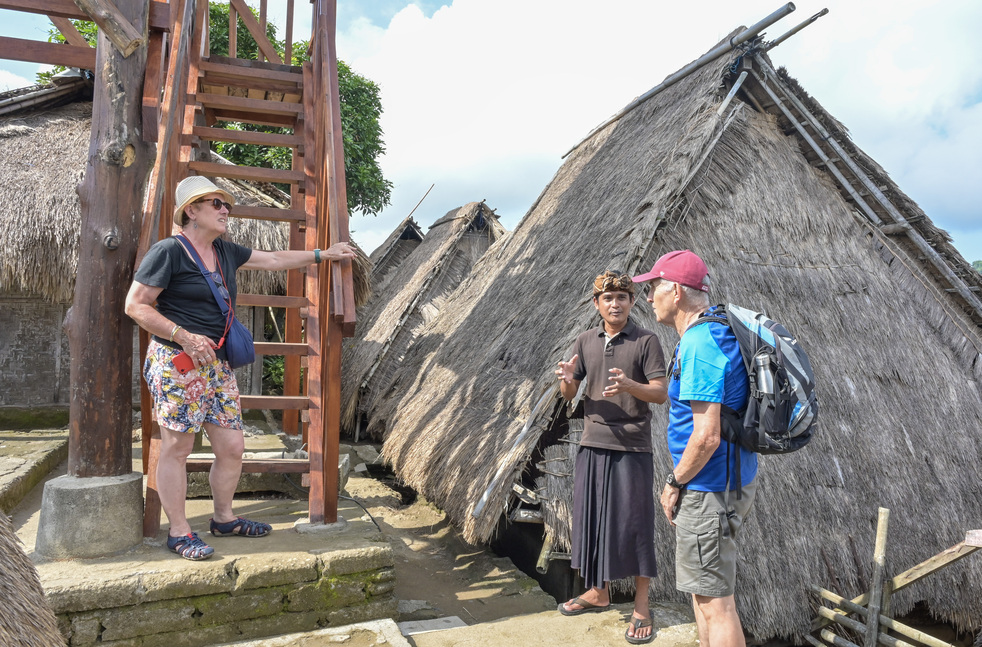
Sade Traditional Village, located in Rembitan, Pujut District, Central Lombok Regency, is not merely a tourist destination. For the people of West Nusa Tenggara, Sade is a symbol of steadfastness in preserving the cultural identity of the Sasak tribe. Amidst rapid modernisation, the village continues to maintain architecture, customs and ways of life that have been passed down through generations for hundreds of years.
The fire reported to have occurred on 22 August 2026 serves as a reminder of how precious this cultural heritage is. To understand the value of every inch of land in Sade, one must look far back and understand the historical roots and philosophy that have shaped this village into one of the most iconic traditional villages in Indonesia.
Etymologically, the name ‘Sade’ derives from a Sasak word meaning ‘awareness’ or ‘real’. The name reflects the community’s philosophy of life, always conscious of their origins and identity as part of nature and the creator. The village is believed to have existed since the era of the Pejanggik Kingdom, one of the great kingdoms of Lombok in the past.
The people of Sade are part of the indigenous Sasak tribe. They have inhabited the hilly area of Central Lombok for more than 15 generations. Their presence in a relatively high and dry location has shaped a resilient and self-reliant community character. History records that Sade has endured even as centres of power around it experienced rises and falls, from the influence of local kingdoms to the colonial period.
One of the most prominent historical aspects of Sade Village is its architecture, which has remained unchanged for centuries. The traditional house here is called Bale Tani. The structure has unique characteristics rich in philosophical meaning.
The history of Sade Village is also inseparable from its closed yet harmonious social system. The people of Sade practise a unique marriage system, namely marriage between cousins or within one extended family group. This has historically been done to maintain the purity of lineage and ensure that inheritance and customary land remain within the Sade family circle.
In addition, the tradition of weaving (nyesek) for women is a historical obligation. A woman in Sade is not considered an adult and may not marry until she is skilled in weaving the distinctive Sasak songket cloth. This tradition ensures that economic and artistic cultural skills continue to flow from mother to daughter uninterrupted by the times.
The fire incident on 22 August 2026 is an alarm for traditional village conservation efforts. Given that building materials are dominated by flammable materials such as thatch and bamboo, the risk of disaster is ever-present. However, history proves that the strength of the Sade community lies in the spirit of mutual cooperation (besiru). Whenever there is damage, residents work together to rebuild according to the original customary standards, ensuring that their history will not be lost to fire.
The West Nusa Tenggara provincial government is encouraging all traditional villages to strengthen fire mitigation systems following the incident that struck Sade Traditional Village. The provincial government, through the Culture Office, has begun inventorying artefacts and cultural elements affected by the fire in Sade Traditional Village.
Source: jawawa.id (https://jawawa.id/newsitem/getting-to-know-sade-traditional-village-guardian-of-sasak-tribe-traditions-1787475033)
Originally published by Media Indonesia (https://mediaindonesia.com/nusantara/924977/mengenal-desa-adat-sade-penjaga-tradisi-suku-sasak), translated from Indonesian