
Getting to Know Helium-3: The Moon's Rare Gas for Future Energy
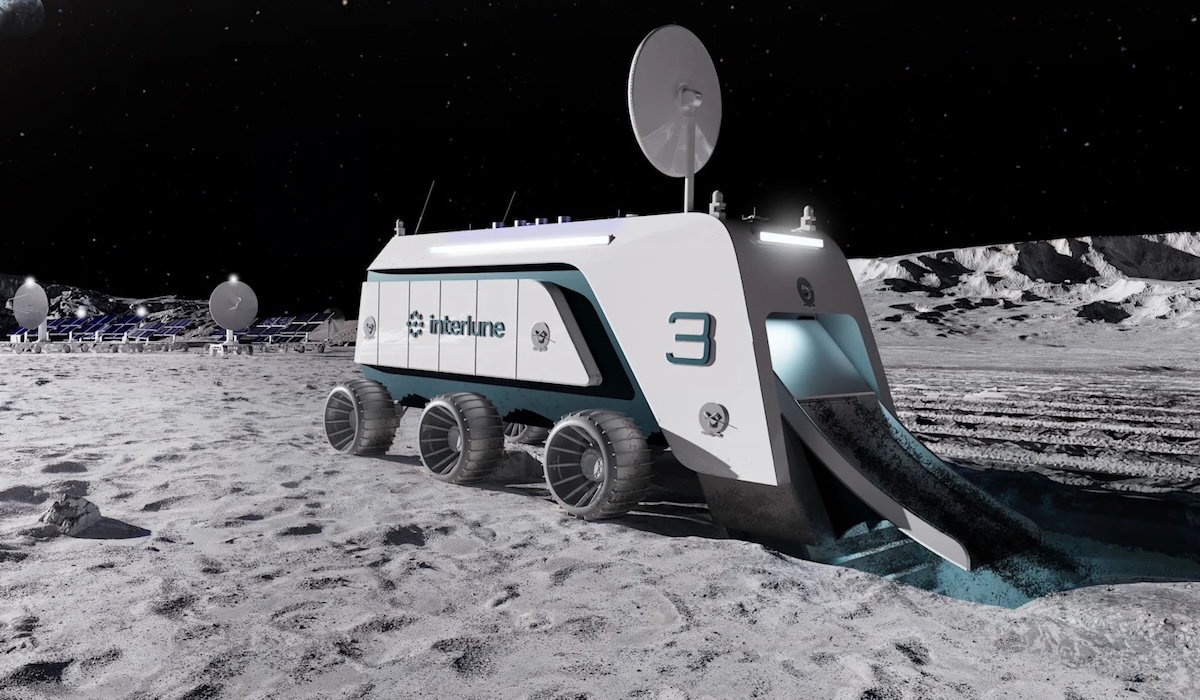
Helium-3 has become one of the most valuable commodities in the world, with prices reaching approximately US$2,000 or around Rp32.8 million per litre. This rare isotope is highly sought after due to its crucial role in the development of quantum computers and its potential for generating clean energy through nuclear fusion.
Technically, Helium-3 is a helium isotope defined by the number of neutrons in its atomic nucleus. Unlike Helium-4, which is commonly used for helium balloons, Helium-3 possesses the unique ability to create extreme low temperatures down to the millikelvin range (-273 degrees Celsius). This condition is essential for cooling circuits in quantum computers to ensure stable operation.
To date, the primary supply of Helium-3 on Earth has been very limited and strictly controlled, as it is a byproduct of tritium decay in nuclear weapons. However, data from lunar dust (regolith) samples from the Apollo missions indicate much higher concentrations of Helium-3 on the surface of Earth’s natural satellite.
Several startups are now racing to realise lunar mining operations. Experts estimate that hundreds of thousands of tonnes of regolith would need to be processed to obtain just one kilogram of Helium-3, due to its extremely low concentration of only a few parts per billion (ppb).
Although the Moon offers vast reserves, the search on Earth continues. The company Pulsar Helium is currently investigating the presence of Helium-3 in Minnesota, USA. With a concentration of approximately 12 ppb, terrestrial drilling is considered far more economical and accessible than space missions.
Demand for this gas is predicted to skyrocket. A quantum computing company in Helsinki has already signed a US$300 million contract with Interlune for a supply of 10,000 litres of Helium-3 per year from 2028 to 2037. Competition for this ‘fuel of the future’ is certain to intensify over the next decade.