
Get Ready: Government to Auction 10 New Oil and Gas Blocks
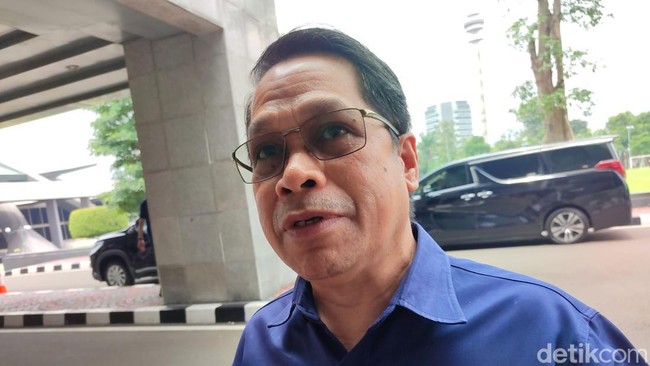
Jakarta, CNBC Indonesia – The Directorate General of Oil and Gas (Dirjen Migas) at the Ministry of Energy and Mineral Resources (ESDM) is currently preparing the first-wave offer of oil and gas Working Areas (WK) for 2026. The WKs to be offered will be at least 10. Laode Sulaeman, the Director General of Oil and Gas, said that the opening of 10 WKs would be conducted at the Indonesian Petroleum Association (IPA) Convex event on 20–22 May 2026. ‘Let’s wait and see; what is clear is that they are spread across Indonesia,’ Laode said when asked about the distribution of the WKs offered, at the Ministry of ESDM, on Monday (18 May 2026). He emphasised that the 10 WKs to be offered in this IPA event are different from the 10 WKs that had already been offered in March. ‘Oh, different; that was in 2025, this is wave 1 of 2026,’ he said.
Previously, the Ministry had also announced the opening of 10 potential oil and gas block areas that had been completed through in-depth studies. Laode said these 10 areas form part of 110 potential areas mapped up to February 2026 and had completed studies by the Geology Agency and LEMIGAS, thereby possessing better data quality. ‘The studies are part of the government’s active role through the Geology Agency (Badan Geologi) and LEMIGAS to improve the quality of oil and gas data so that potential upstream investors are more attracted, particularly for exploration. The 10 areas are part of 110 potential new oil and gas blocks that were broadly opened by the Ministry of ESDM recently,’ Laode said in a written statement on Thursday (5 March 2026). The 10 areas are:
RUPAT
PURI
KARAPAN BARU
PESUT MAHAKAM
BENGARA II
MARATUA II
SOUTH MATINDOK
LAO-LAO
ROMBEBAI
NORTHERN PAPUA / JAYAPURA
Laode said the government remains committed to creating an attractive upstream investment climate through various new fiscal policies. Some of the facilities on offer include more attractive fiscal terms with KKKS splits up to 50% (previously only 15-30%). Then the flexibility of oil and gas contracts whereby KKKS may choose the type of contract, either cost recovery or gross split, upstream incentives to optimise production and exemption from indirect tax during the exploration period. ‘The government is now increasingly open and actively engaged in facilitating licensing and cross-agency bureaucracy. The government also conducts direct exploration with funding from the APBN (including seismic data) to reduce exploration risk and encourage investment,’ Laode said.