
Germany's Sugar Tax Stirs Controversy; Indonesia Still Delays Sweetened Drink Excise
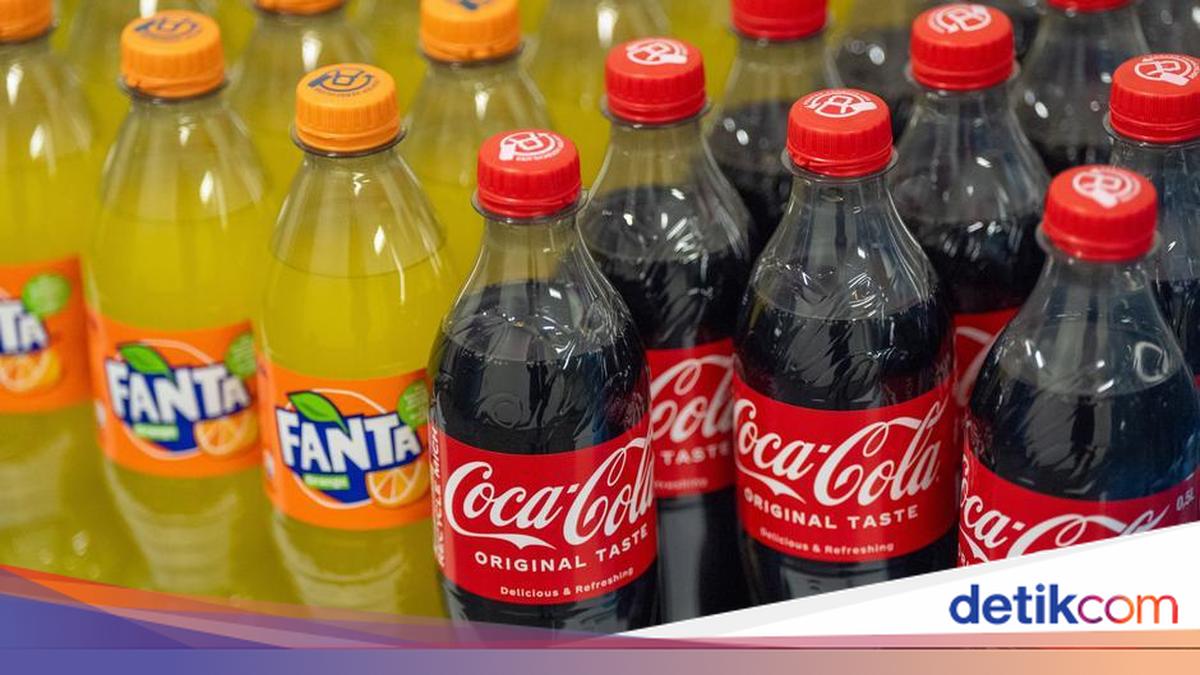
Germany’s plan to impose a tax on sugary drinks is facing increasingly broad opposition, including from parties within the governing coalition. Criticism has emerged because the policy is seen as risking a shift from health objectives to merely an effort to increase state revenue.
Opinion polls show around 60% of Germans support a levy on soft drinks with high sugar content. However, the draft is now drawing criticism from the Green Party and the conservative CDU, while food and beverage industry associations also oppose it.
Although popularly called a “sugar tax”, the levy under discussion is actually aimed at drinks containing sugar or sweeteners, not sweets or other sugary foods. Finance Ministry documents show the levy could cover soft drinks, juices, milk-based drinks, iced tea, beer-based mixed drinks, oat and soy drinks, ready-to-drink coffee, and non-alcoholic beer and wine.
However, Finance Minister Lars Klingbeil rejected the plan to tax low-sugar or sugar-free drinks that use artificial sweeteners. “I will not do it. That will not happen,” Klingbeil said via Instagram. He considered a “sugar tax for sugar-free drinks” to be nonsensical.
Klingbeil stressed that the leaked document was only an internal working document and had not been politically agreed upon or approved by the governing coalition. In the draft, pure milk and 100% fruit juice are listed as tax-exempt products. Thus, the final scope of the levy has not yet been determined.
Opposition to the plan is growing stronger from within the government. Green Party co-chair Felix Banaszak said he supports a sugar tax in principle, but questioned the main purpose of the proposal. Banaszak said the tax should be used to reduce health risks from high sugar consumption while also reducing the costs borne by the health system.
“The impression is that an instrument we basically support is now only being used to plug budget holes,” Banaszak told Welt TV. According to him, using the tax primarily as an instrument to increase state revenue could reduce public support for the policy.
Similar criticism came from the CDU camp. Hesse State Premier Boris Rhein even called for the plan to be scrapped. “When many people are struggling with high prices, the state should not make food and drink even more expensive,” Rhein said. He said the government should prioritise lowering energy prices, reducing social security contributions, and efforts to ease daily living costs.
The Agriculture Ministry also expressed objections to the proposal, while several CDU parliamentarians criticised its scope.
Amid the political debate, consumer groups and Foodwatch support the implementation of a sugar tax. They see the levy as an instrument to reduce sugar consumption and health risks, especially among children. Conversely, food and beverage industry associations continue to oppose the plan. They worry the new levy will increase production costs and ultimately burden consumers through price increases.
The debate reflects differing views on the primary function of a sugar tax. The government and health groups see it as a public health policy instrument, while a number of politicians question whether the proposal is also directed at increasing state revenue. For now, no final decision has been made on which drinks will be subject to the levy or the tax rate.
Indonesia faces a similar issue, but the implementation of the excise on packaged sweetened drinks (MBDK) remains delayed. The government previously included the MBDK excise in the 2026 state budget plan. However, in December 2025, Finance Minister Purbaya Yudhi Sadewa postponed its implementation, considering economic conditions and public purchasing power.
The 2023 Indonesian Health Survey (SKI) showed diabetes prevalence among the population aged 15 and above reached 11.7% based on blood sugar tests, far higher than the 2.2% based on doctor diagnosis. This gap indicates many undiagnosed diabetes cases. Meanwhile, the International Diabetes Federation (IDF) estimated around 20.4 million adults with diabetes in Indonesia in 2024, with a prevalence of 11.3% in the adult population.
The delay of the MBDK excise is not the first. Plans to implement the sweetened drink excise have been included in budget discussions several times since 2022, but have been repeatedly postponed. In the 2026 state budget plan, the government had targeted revenue of around Rp7 trillion from the excise before its implementation was again delayed.
In a report on Indonesia’s fiscal policy, Reuters noted the government in 2026 chose not to introduce new taxes and focused on internal reform to increase state revenue. Thus, unlike Germany, which is now debating the design and scope of its sugar tax, Indonesia is still at the stage of determining when the MBDK excise will actually be implemented. As of 2026, the policy has not yet taken effect and the government has not set a definite timeline for its next implementation.
Source: jawawa.id (https://jawawa.id/newsitem/germanys-sugar-tax-stirs-controversy-indonesia-still-delays-sweetened-drink-excise-1787820822)
Originally published by detikcom (https://news.detik.com/dw/d-8636719/pajak-gula-di-jerman-tuai-pro-kontra-bagaimana-indonesia), translated from Indonesian