
Germany Fails to Secure UN Security Council Seat
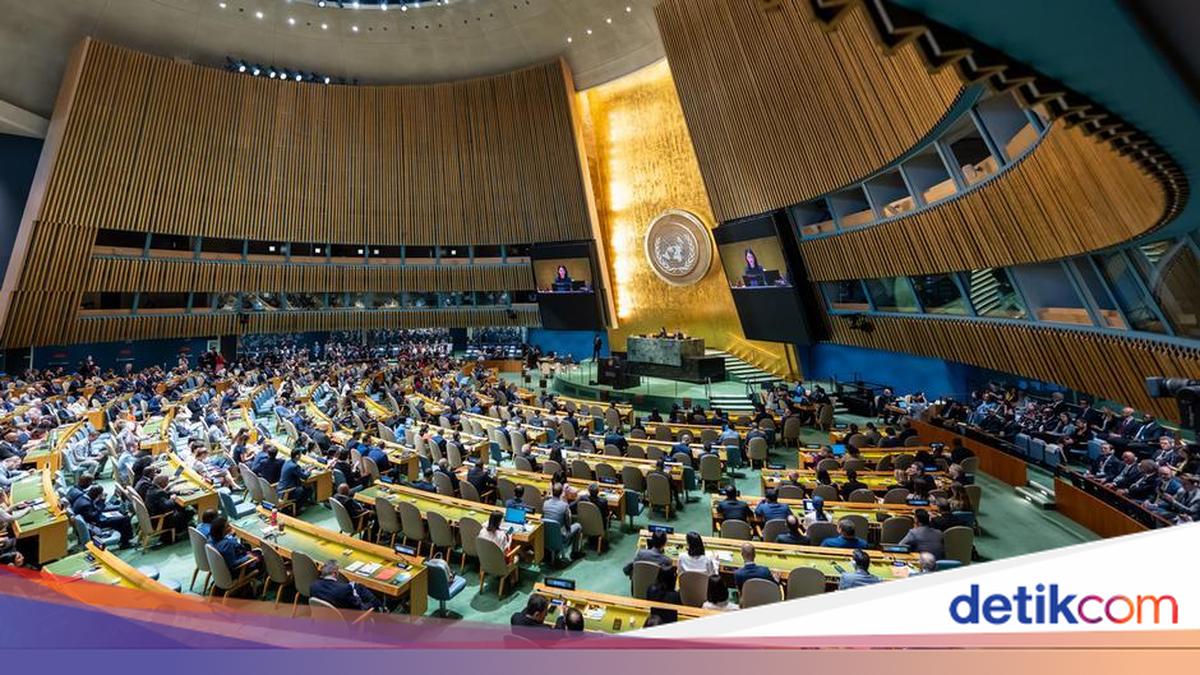
Speaking to the press following the vote, German Foreign Minister Johann Wadephul described the result as a “great disappointment.” Germany lost the bid to Austria and Portugal in the race for two seats allocated to the “Western Europe and Others” region.
To secure a non-permanent seat on the UN Security Council for the next two years, Germany required a two-thirds majority of the UN General Assembly. While Portugal secured 134 votes and Austria obtained 131, Germany trailed behind with 104 votes. In other regions, Zimbabwe and Trinidad and Tobago were elected unopposed for the African constituency, while Kyrgyzstan was elected after defeating the Philippines for the Central Asian seat.
Berlin’s Foreign Ministry noted that Germany is the second-largest financial contributor to the UN. Prior to the vote, Minister Wadephul stated that Germany presented a “strong bid” and was prepared to undertake the responsibilities of the Security Council, an essential body for international peace and security. Wadephul also advocated for Security Council reforms to ensure greater representation for the Global South.
However, reports from New York suggest that Russia conducted an intense lobbying campaign to thwart Germany’s candidacy, noting that Germany is a primary supporter of Ukraine against the ongoing Russian invasion. Following the results, German Chancellor Friedrich Merz stated, “We presented ourselves with confidence. However, we did not achieve our goal. This result does not change the tasks we face within the United Nations. Germany remains a reliable pillar in the multilateral system.”
Wadephul suggested that Germany’s clear positions on the wars in Ukraine and Gaza likely influenced the voting outcomes. “It is no secret that Russia does not want such a voice in the Security Council,” he remarked, adding that Germany’s perceived special responsibility towards Israel in the Middle East conflict may have also cost them votes.
While members of the conservative CDU/CSU parliamentary group expressed regret over the failure, the Green Party criticised the leadership of Wadephul and Merz, citing insufficient climate protection efforts and cuts to development aid. Germany last served on the UN Security Council during 2019 and 2020. The Security Council remains the only UN body with legally binding resolutions, consisting of 15 members, including the five permanent members—the United States, the United Kingdom, China, Russia, and France—all of whom possess veto power.