
Germany and Kosovo Combat the Hyalomma Tick Carrying a Deadly Virus
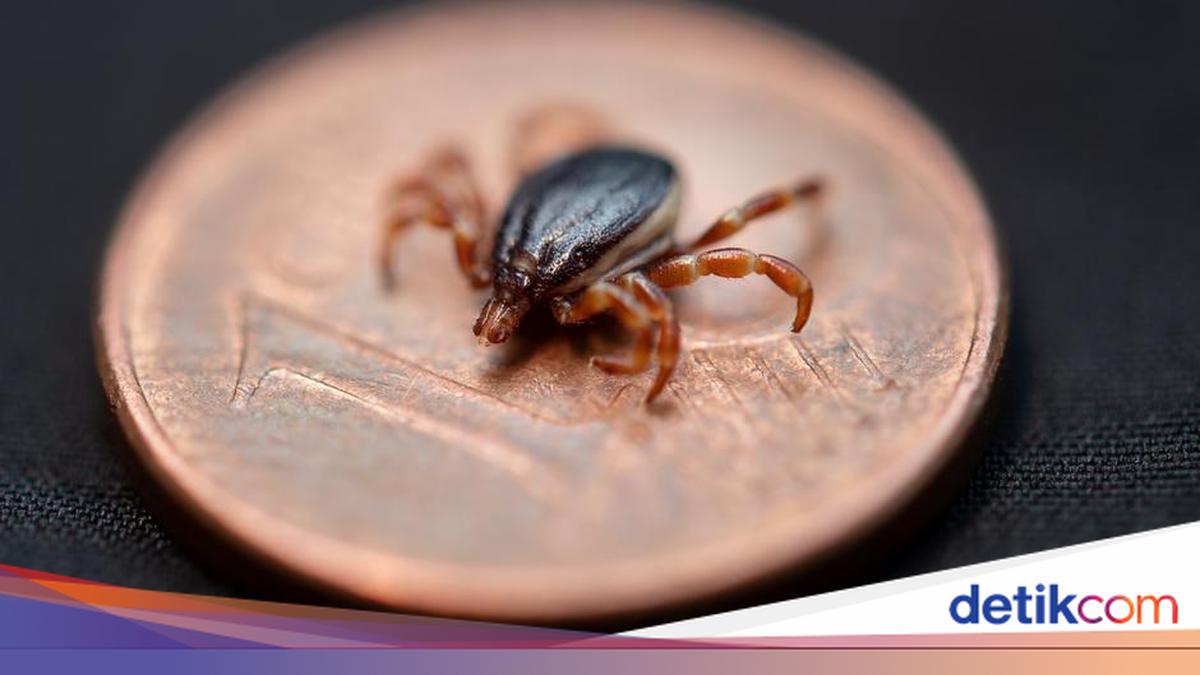
This tick can detect its prey from up to 200 metres away. However, unlike many other species of tick that wait in the grass for their victim to approach, this one actively pursues its prey. Both animals and humans can become its targets.
The Hyalomma tick, often referred to as the “giant hunter tick”, was previously found mainly in Africa, Asia and Southern Europe. However, due to climate change, it is now able to survive further north. The tick has been found in Germany and various Eastern European countries. Kosovo, located in south-eastern Europe, has long been a region with a large Hyalomma tick population.
The Hyalomma tick also carries the virus that causes Crimean-Congo Haemorrhagic Fever (CCHF), an extremely dangerous disease with a high mortality rate. Its symptoms resemble those of Ebola or the Marburg virus. These diseases can damage blood vessels and the lymphatic system, which can lead to internal bleeding and death.
Kurtesh Sherifi first read about Crimean-Congo Haemorrhagic Fever in a newspaper in 2005, whilst completing his veterinary studies in Berlin. The article reported that 11 people in his homeland of Kosovo had contracted the disease, and five of them had died.
Sherifi was already interested in zoonoses — diseases that can be transmitted between animals and humans. Crimean-Congo Haemorrhagic Fever therefore immediately caught his attention.
After returning to Kosovo, Sherifi began working at the Faculty of Agriculture and Veterinary Medicine at the University of Pristina. However, research funding was very limited. Kosovo, a small country with around 1.6 million inhabitants, had neither high-security laboratories nor the equipment needed to research the Crimean-Congo Haemorrhagic Fever virus.
Seeking cooperation with Germany
Sherifi then contacted the Bernhard Nocht Institute for Tropical Medicine in Hamburg, Germany’s largest institution researching the field.
One of its researchers is Petra Emmerich, a virologist and expert on Risk Group 4 viruses. Viruses in this group cause very severe, often fatal diseases that generally have no widely available treatment. The Crimean-Congo virus belongs to this risk group.
In addition to being a researcher, Emmerich also serves as a reservist in the German military. The military has a particular interest in viruses with the potential to be used as biological weapons. In 2009, she was sent to Kosovo, where she met Sherifi.
Since then, an active partnership began to develop. A system for monitoring the spread of the Hyalomma tick and the virus it carries was established in Kosovo. In 2013, their joint project began receiving funding from Germany’s Biosecurity Programme, managed by the German Foreign Ministry. The programme aims to help partner countries confront biological threats.
“This is a mutually beneficial relationship,” said Emmerich of the scientific partnership. “We have the diagnostic expertise and the necessary resources, but we do not have patients.”
German doctors regularly travel to Kosovo with Emmerich to exchange information and experiences with local doctors.
Raising public awareness has also become one of the key pillars of the German-Kosovar cooperation.
Farmers in Kosovo are among the groups most vulnerable to infection. The risk comes not only from tick bites, but also from the fact that they often remove ticks from animals with their bare hands. If blood from an infected animal enters a small wound on a person’s hand, the virus can be transmitted.
“This is very likely the main way most patients in Kosovo become infected,” Sherifi explained.
Patients require intensive care and isolation
Sherifi and Emmerich frequently visit schools to educate pupils about the dangers of the virus and how to protect themselves — for example, by using anti-tick treatments, wearing long trousers and proper shoes.
Not all Hyalomma ticks carry the virus, and most people bitten by the tick will not fall ill. However, the main problem is that there is no vaccine or specific treatment available for patients who develop Crimean-Congo Haemorrhagic Fever.
“If someone does fall ill, their condition can become very serious,” said Emmerich.
The disease usually begins with flu-like symptoms such as fever, chills, body aches and headaches. In severe cases, patients may experience bleeding of the skin, nose and gums, as well as gastrointestinal bleeding. In the most serious cases, the disease can cause organ failure.
Patients require intensive care and must be isolated because the disease is highly contagious.
Most treatment in intensive care units (ICU) focuses on maintaining the patient’s vital bodily functions. Patients are also usually given the antiviral drug ribavirin. However, according to Emmerich, “ribavirin is not very effective in patients who are already in an acute condition.” Scientists have observed this directly from cases in Kosovo.
Prevention is therefore the best course of action. This is why monitoring the spread of the Hyalomma tick is so important, including issuing recommendations for the public to avoid areas known to have large tick populations wherever possible.
A successful tick control strategy
Over the years, the researchers have not only collected thousands of ticks, but have also conducted what are known as seroprevalence studies. These studies use blood tests to look for antibodies from previous infections.
Using this method, scientists can determine whether humans or animals have been exposed to the virus.
According to Sherifi, livestock are particularly well suited for this kind of research because the virus does not cause illness in them. Moreover, unlike wild animals and humans, livestock usually remain in clearly defined, limited areas.
This means that if antibodies are found in the blood of livestock, it is certain that the virus is circulating in that area.
In Kosovo, the number of serious infections has fallen dramatically over the last decade, with only five cases in total. By comparison, there were around 100 cases in the previous decade.
Sherifi and Emmerich believe this decline represents a major success for their efforts.
However, this does not mean the tick or the virus will stop spreading across Europe. Indeed, both researchers expect the spread to continue.
Recently, Hyalomma ticks carrying the Crimean-Congo virus were detected in France. Even so, no humans have been infected in the country to date.
“Over the last 13 years, the Hyalomma tick has spread across a much wider geographical area,” said Emmerich. “As a virologist, this needs to be a cause for concern and must be closely monitored.”
The German and Kosovar scientists are therefore also working to share their knowledge and experience with countries that have little experience in monitoring the Hyalomma tick, such as North Macedonia and Albania.
Source: jawawa.id (https://jawawa.id/newsitem/germany-and-kosovo-combat-the-hyalomma-tick-carrying-a-deadly-virus-1788853978)
Originally published by detikcom (https://news.detik.com/dw/d-8653686/jerman-dan-kosovo-basmi-kutu-hyalomma-pembawa-virus-mematikan), translated from Indonesian