
Germany and France Halt Joint Fighter Jet Programme, What Went Wrong?
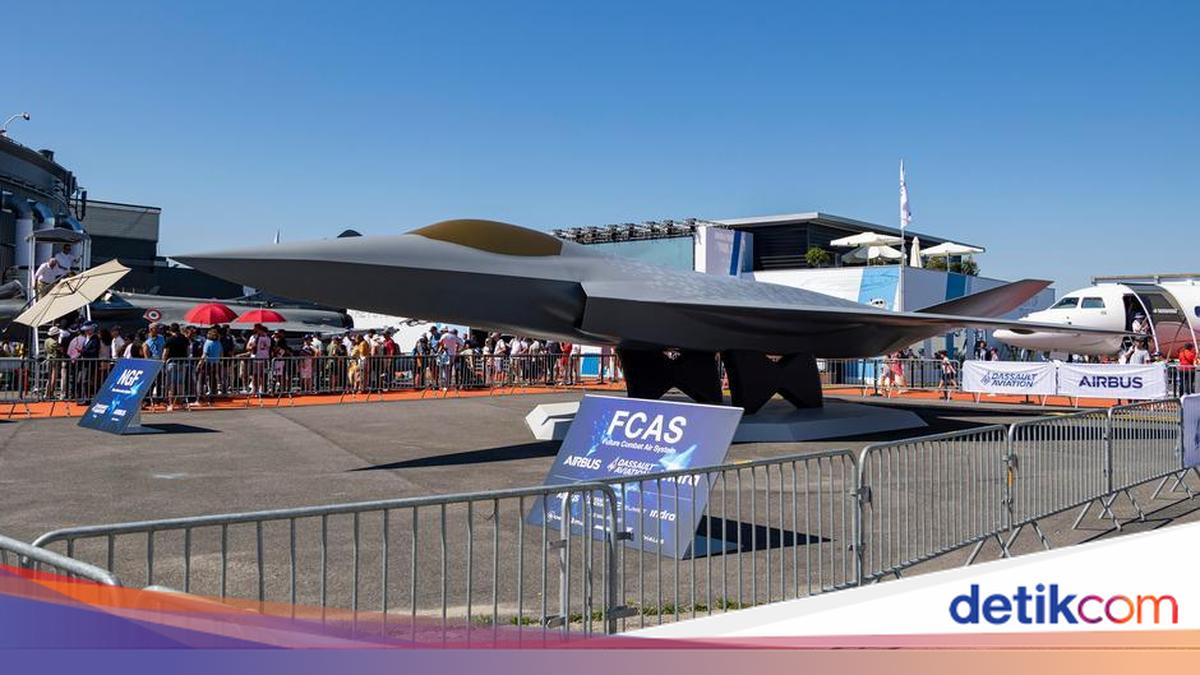
After years marred by internal conflict, the joint Franco-German project to build a next-generation fighter jet has finally collapsed. German Chancellor Friedrich Merz and French President Emmanuel Macron agreed last week that manufacturing firms Dassault Aviation and Airbus had failed to resolve a major inter-company dispute, authorities in Berlin and Paris confirmed on Monday (08/06).
The Future Combat Air System (FCAS) programme, launched in 2017, also aimed to develop a sixth-generation fighter aircraft to replace the Eurofighter and Rafale jets, expected to enter service around 2040.
The decision to halt one of Europe’s largest defence projects comes amid growing concerns among military officials there about the threat from Russia, as well as pressure from the United States for Europe to become more self-reliant in defence matters.
What caused FCAS to fail?
The project, worth over €100 billion, was previously considered a symbol of Franco-German military unity. However, the programme was continuously haunted by political and industrial wrangling for years.
French defence giant Dassault Aviation demanded significantly greater control over the project than its partner, the European consortium Airbus Defence and Space. The two companies clashed over controlling the programme’s advanced phases, access to intellectual property rights, and primarily, differing approaches to aircraft design development.
To date, neither Airbus nor Dassault Aviation has issued an official comment on the matter.
Attempts to salvage the project
Bolstering military strength is actually a priority for the 27 European Union member states. Many countries have voiced concerns about regional security since Russia’s military assault on Ukraine.
The collapse of the Franco-German fighter jet project does not necessarily kill the FCAS project outright. Merz and Macron had previously pledged to ensure the air defence modernisation programme continues successfully.
‘Expertise in building military aircraft resides in Germany. German industry must now prove its capability,’ said Merz, calling for cooperation with other partners. Thomas Erndl, defence policy spokesman for Merz’s conservative party in the German Bundestag, stated that the decision to halt the project was ultimately the right step.
Meanwhile, Franziska Brantner, a leader of the German Green Party, assessed the failure as a serious setback for European security and defence policy. ‘When industry impedes progress, it becomes the politicians’ task to show leadership and ensure the project moves forward,’ she told the Handelsblatt newspaper.
A new focus on Combat Cloud cooperation
Germany and France now plan to redirect their cooperative focus onto the Combat Cloud project, a network system connecting aircraft, drones, and military sensors within a unified combat ecosystem. Defence officials are scheduled to meet in mid-July to redesign cooperation through smaller, more realistic projects.
Meanwhile, Cedric Perrin, chairman of the French Senate’s foreign affairs and defence committee, remarked that Macron ‘is the only one who still believes the FCAS project can be saved.’