
German Mittelstand Crisis: A Threat from Chinese Manufacturing Dominance
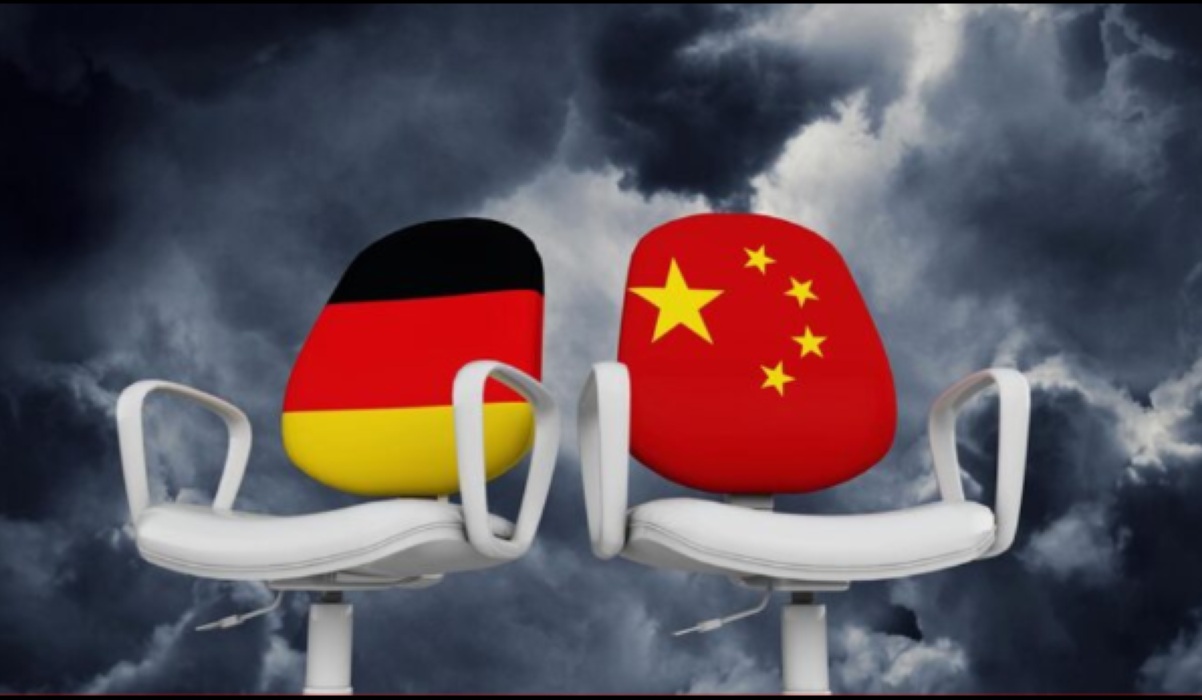
For decades, thousands of world-class specialised producers that form the backbone of the German economy relied on one key advantage: unmatched quality. Now, that bulwark is beginning to crumble. The Mittelstand sector, comprising mid-sized manufacturers specialising in capital and intermediate goods, is facing an existential threat. China has managed to narrow the quality gap and is offering prices at up to half those of their European competitors. Panic is spreading among German producers. Layoffs are hitting cities and villages that were previously prosperous and have no memory of economic decline. A report from EY in May showed that German industry is shedding more than 10,000 jobs every month. German industrial output has fallen by around 10 percent between February 2022 and early 2026. Energy-intensive sectors have seen an even sharper decline of more than 15 percent. For the first time in decades, Germany is now importing more advanced capital goods from China than it exports there. China’s rise is no accident, but the result of deliberate state engineering. Through the ‘10,000 Little Giants’ initiative, the Chinese government has channelled massive subsidies, tax breaks, and state resources to thousands of specialised mid-sized companies. The programme is explicitly designed to replace Germany’s hidden champions. Data from Apollo Global Management shows that Germany’s trade balance with China for capital goods slumped from a surplus of around 750 million euros to a deficit of 500 million euros between mid-2024 and August 2025. Patric Burkhart, managing director of machinery manufacturer Aura, revealed that competition from China has surged dramatically in the last six months. Aura, which produces heating equipment for large industrial machines, now has to compete with Chinese vendors capable of offering an entire integrated production ecosystem, from injection moulding machines to cloud management software. Under cost pressure and political demands to transfer value creation to China, many Mittelstand companies are relocating production. Burkhart, who once produced exclusively in Germany, now manufactures 20 percent of his products in China and expects that figure could jump to 70 percent if conditions in Europe do not change. Noah Barkin, a senior advisor at the Rhodium Group, warned that without more decisive protective measures from European policymakers, the decline of the German Mittelstand will be very rapid. Chinese competitors currently control a third of global production in the machinery sector. Oliver Richtberg from the VDMA industry association stated that the tipping point is very near. ‘If they reach 40 or 50 percent, we will have no bargaining power left,’ he stressed. On the other hand, some executives argue that Germany also needs internal reforms to reduce high costs and step out of its comfort zone to face the new realities of global competition.