
German Gen Z Protests Budget Cuts and Conscription
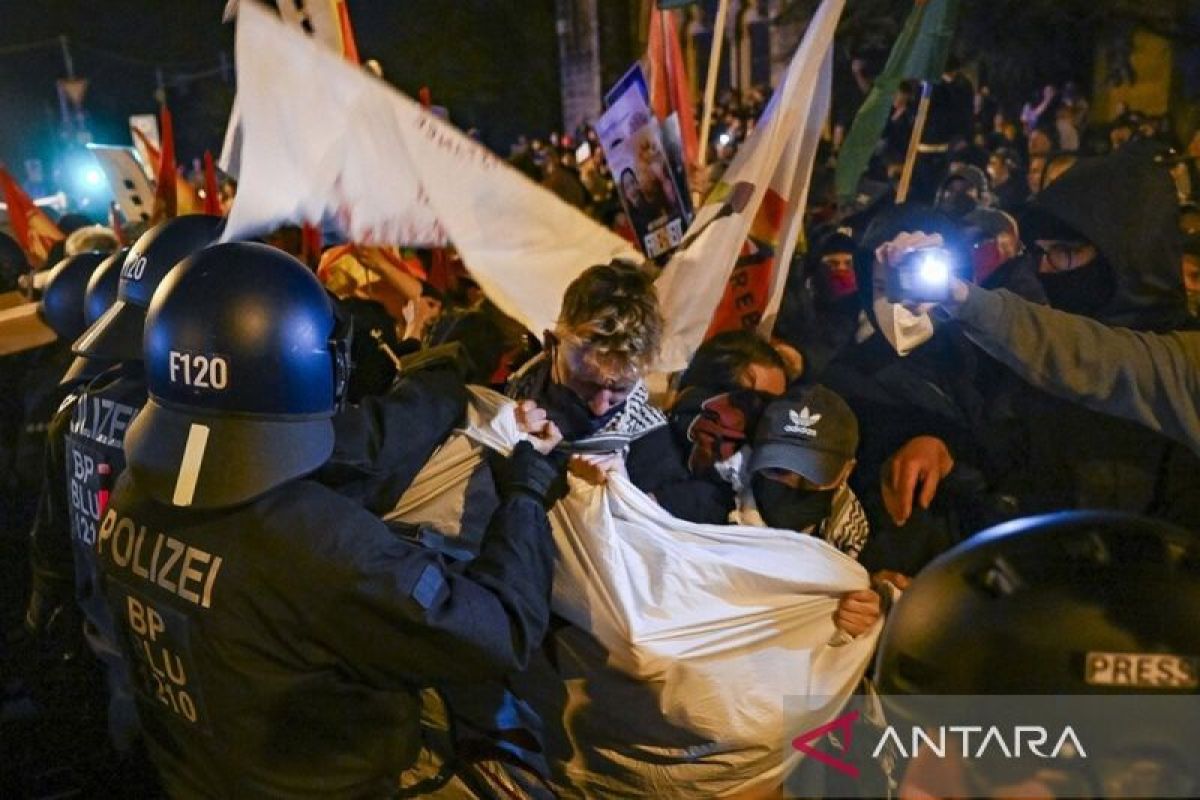
Berlin (ANTARA) – More than 140,000 students and young people have registered online to take part in simultaneous protests in 23 German cities on Saturday (31 October), according to the organisers of a Generation Z (Gen Z) initiative.
The group, called “Gen Z steht auf” (Gen Z Rises), will hold main events in Berlin, Hamburg, Munich, Frankfurt and Cologne, while joining local demonstrations in 18 other cities, according to its website.
Cologne recorded the highest number of online registrations, with more than 12,000, followed by Frankfurt with nearly 11,000. Hamburg and Berlin each had more than 8,000, while Munich had nearly 7,000, the organisers reported.
The demonstrations are scheduled to begin at 2pm local time (8pm WIB) under the slogan “Our future is in our hands”.
The protests will focus on cuts to education and social budgets, the rising cost of living and the government’s plans for conscription.
In its statement of principles, the initiative called for policies that invest in education, social security, healthcare and affordable living, rather than austerity measures that harm young people.
“We are young people who no longer want to stand by as decisions about our future are made without our voices being heard. 31 October is only the beginning,” the organisers said.
Akram Selo, one of the founders of “Gen Z Rises”, stressed that the demonstrations would be peaceful. He told the media that the group firmly distanced itself from all forms of violence.
The tabloid Bild, citing security sources, reported that police forces across the country had received deployment orders and designated specific locations for 31 October.
Officers are also on standby to secure sites considered vulnerable. In major cities, armoured vehicles and water-cannon vehicles are being prepared, with hundreds of officers to be deployed on the ground.
The demonstrations will be monitored from the air by helicopter and, if necessary, using police drones.
The report also said plans were in place to intercept potentially violent extremist groups at railway stations and separate them from other protesters.