
Gerindra: Oil and Gas Bill Restores State Sovereignty over Oil and Gas
The plenary session of the Indonesian House of Representatives (DPR RI) has agreed to adopt the Oil and Gas Bill as a DPR initiative. The Gerindra Party faction stressed that the Bill on Oil and Natural Gas represents a crucial moment for restoring state sovereignty in the management of the nation’s natural resources.
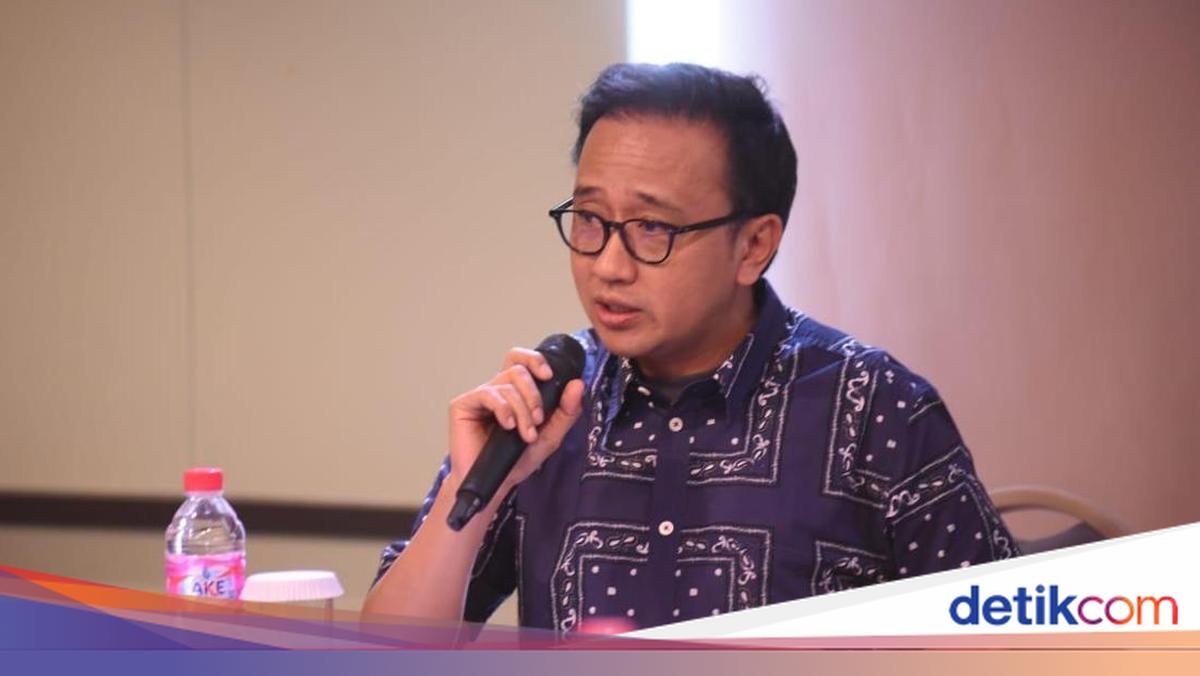
Secretary of the Gerindra Faction in the DPR RI, Bambang Haryadi, stated that the Oil and Gas Bill is a form of restoring state sovereignty over the oil and gas sector, particularly in terms of control and exploitation of oil and natural gas.
“Gerindra supports and hopes that this law will restore state sovereignty in the control and exploitation of oil and gas, and also increase lifting as in the 1997-1998 era, when it reached 1.6 million barrels per day. So hopefully we can become an OPEC country again,” said Bambang Haryadi on Wednesday (19/8/2026).
Bambang recalled the era of national oil and gas governance in 1997-1998. At that time, Pertamina acted as both regulator and operator (single mandatory) in accordance with the mandate of Oil and Gas Law No. 8 of 1971, and was able to achieve oil production or lifting of up to 1.6 million barrels per day (bpd). However, regulatory changes through Law No. 22 of 2001 altered that structure and separated Pertamina’s roles.
“Previously, Pertamina was both regulator and operator, which very much reflected Article 33 of the 1945 Constitution, because control and exploitation were managed by the state. However, after changes through Law No. 22 of 2001, Pertamina’s role was no longer singular; Pertamina was downgraded to being merely an operator, on a par with other cooperation contract contractors (KKKS). BP Migas was then established, which was later dissolved by the Constitutional Court in 2012 because it was deemed contrary to Article 33 of the 1945 Constitution, since BP Migas as the state’s representative only held control, while exploitation was granted to KKKS which were not fully state-owned,” he explained.
The single control and exploitation system under Law No. 8 of 1971 that was previously applied in Indonesia even became a reference for neighbouring countries, said Bambang. According to Bambang, the Malaysian oil and gas company Petronas adopted the model that Indonesia once used when the state gave Pertamina the mandate to be both regulator and operator.
“Petronas today applies the Pertamina system of that era. Petronas holds single control over the control and exploitation of oil and gas resource management in Malaysia,” he said.
The impact of the regulatory changes through Law No. 22 of 2001 led to a decline in national oil production after the system changed, he said, which was felt to have dealt a significant blow to Indonesia’s position globally. Indonesia, which was originally known as an oil exporter, had to accept the bitter reality of changing its status to a net importer.
“We were very sad when in 2008 Indonesia had to leave OPEC because our lifting had fallen to 800 thousand barrels per day, and currently it is only 600 thousand barrels per day. Whereas in 1997-1998 our lifting was around 1.5 million to 1.6 million barrels per day, which is why Indonesia was then a member of OPEC as a producing and exporting country, but now it has become an importer,” said Bambang.
Currently, said Bambang, Indonesia’s oil lifting level is around 600 thousand barrels per day. Through strengthening the regulation in the new Oil and Gas Bill, Gerindra hopes the national energy sector can rise again and bring Indonesia to achieve energy self-sufficiency.
“Our hope is that Indonesia can become self-sufficient in oil and gas as in the past era and become an OPEC country again,” concluded Bambang.
Source: jawawa.id (https://jawawa.id/newsitem/gerindra-oil-and-gas-bill-restores-state-sovereignty-over-oil-and-gas-1787126093)
Originally published by detikcom (https://news.detik.com/berita/d-8625386/gerindra-ruu-migas-bentuk-pengembalian-kedaulatan-negara-atas-migas), translated from Indonesian