
Geriatrician: Overprotecting the Elderly Can Lower Their Quality of Life
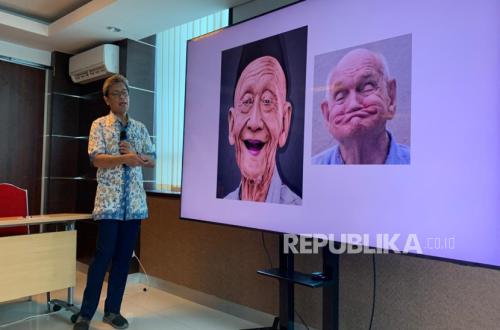
Many families believe the best way to show affection to elderly parents is to restrict their activities to prevent injury. In fact, an overly protective attitude can cause the elderly to lose their independence and quality of life.
Internal Medicine Specialist and Geriatric Consultant at RSCM, Dr dr. Edy Rizal Wahyudi, SpPD-KGer, FINASIM, said one misconception still widely found in Indonesia is the assumption that the elderly must always be helped and should not be too active.
“People often think dealing with elderly parents is easy. The important thing is to love and care. In fact, that is not enough. What the elderly need is not only affection, but also knowledge so that our actions are correct,” said Edy, when met at an elderly care training event organised by Geriatri-ID.
Edy, who is also one of the initiators of Geriatri-ID, said many family decisions based on good intentions actually have a less favourable impact because they do not understand the needs of the elderly. One example is forbidding parents from being active after they have experienced a fall.
“Logically it is true, so that they do not fall again, the elderly are not allowed to go anywhere or do any activities. But what is often forgotten is how they can still have a good quality of life,” he said.
Edy explained that inappropriate treatment of the elderly does not always occur intentionally. In fact, most of it arises from a lack of family knowledge about the ageing process.
“Mistreatment or inappropriate treatment often occurs not because the children do not love their parents, but because they do not know. Without realising it, someone can become a perpetrator of violence or abuse against their own parents,” he said.
Therefore, he believes education about elderly care needs to be expanded, not only for health workers, but also for families who are the main daily companions of elderly parents. According to Edy, families should not rush to change all the habits of the elderly just because of age. Elderly people who are able to reach the age of 60, 70, or even 80 years generally already have a lifestyle that suits their body condition.
“If someone has reached old age, that is actually an achievement. It means there is a lifestyle that has suited them so far. The family’s task is not to immediately forbid this and that, but to facilitate so that good habits that can still be done can continue to be carried out,” he said.
The approach to the elderly, Edy continued, cannot be equated with younger adults. For example, in managing the diet of diabetes sufferers. Food restrictions that are too strict can actually cause the elderly to lose their appetite and experience weight loss.
“Not all rules that apply to young people can be applied to the elderly. We must be wiser. What is considered is not only the disease, but also the quality of life,” he said.
Edy also reminded families to start preparing themselves for the increasing age of their parents. With the rising life expectancy of the Indonesian population, the need for knowledge about elderly care will grow.
“Do not just pray for parents to live long. If the prayer is granted, we must also be ready to care for them properly. Invite them to exercise, accompany them, and understand what they need,” he said.
Regarding exercise, Edy emphasised that it is never too late for the elderly to start physical activity, including strength training. However, training must be done gradually and adjusted to each individual’s ability.
“It is never too late to train muscles and maintain body function. The important thing is to do it gradually, according to ability, and if necessary consult a doctor. Do not immediately look at the elderly lifting weights, but look at the training process,” he said.
He added that the physical abilities of the elderly are indeed more difficult to maintain compared to when they were young. Therefore, regular physical activity is one important way to maintain organ function, muscle strength, and independence in old age.
In addition to exercising, families are also expected to actively seek information from trusted sources about elderly health. With proper understanding, families can provide assistance that is not only full of affection, but also medically correct so that the elderly can live their old age healthier, more independently, and with better quality.
On Tuesday, 4 August 2026, and Wednesday, 5 August 2026, Geriatri-ID held a workshop on elderly care. Various topics were discussed with experts as speakers.
These topics included the characteristics of the elderly and the ageing process, principles of movement exercise and physical activity for the elderly, and ambulation practice for the elderly with assistive devices such as canes, wheelchairs, and others.
Other topics included principles of elderly care at home, what is allowed and not allowed, medication supervision, and emergency warning signs. Then balanced nutrition and hydration for the elderly, exercises in preparing balanced menus as well as hydration and texture-friendly meals for the elderly, and practice in feeding and giving drinks to the elderly. This was followed by practice in filling out the elderly health record book and conducting blood pressure and blood sugar checks, learning from case studies, and consultation sessions.