
GERD in Infants Can Persist into Adulthood, Do Not Ignore
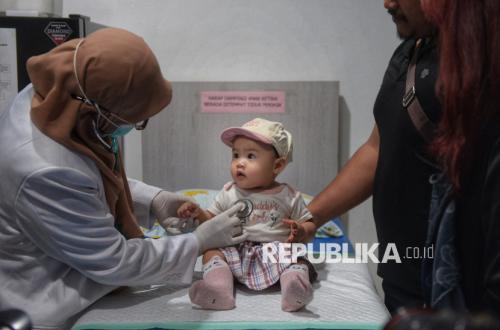
Gastroesophageal reflux disease (GERD) in infants is a condition where stomach acid rises into the oesophagus, which can cause babies to frequently spit up or vomit. Spitting up is actually normal, but if a baby continuously vomits after feeding, especially if accompanied by discomfort, this condition could be a sign of GERD in infants.
Paediatric specialist and gastroenterohepatology consultant Dr Sri Kesuma Astuti stated that GERD in infants can continue into adulthood if not properly managed or treated. However, the condition is not genetically inherited.
“So can GERD in infants continue into adulthood? Yes, it can, if it is not managed properly. But as for it being hereditary, no, it is not,” Dr Sri said during an Indonesian Paediatric Society (IDAI) webinar monitored in Jakarta on Tuesday.
She urged parents not to underestimate GERD in infants because it can impact growth. According to Dr Sri, GERD can cause difficulty in gaining weight. This is due to irritation of the inner oesophagus, known as oesophagitis, which causes pain and discomfort in the baby.
As a result of this pain, the baby may refuse to eat or feed. A healthy baby should naturally not refuse to feed. “A baby will naturally not refuse to feed. So when a baby refuses to feed, it is an alarm that something is not right in their body,” explained Dr Sri.
She explained that there are several risk factors that can increase the likelihood of GERD occurring in infants and children. In infants, the risk is higher in premature babies compared to full-term babies.
Meanwhile, in children, certain medical conditions also increase the risk of GERD, such as cerebral palsy, especially in patients with GMFCS type 4-5 who can only lie down. This condition makes children more susceptible to reflux disorders.
“In infants and children with certain conditions like those I mentioned, the risk of experiencing GERD is higher than in healthy infants or children,” said Dr Sri.