
Geopolitical Risks and Global Economic Slowdown Cast Shadow over Financial Markets
Jakarta, CNBC Indonesia – The Financial Services Authority (OJK) has affirmed that the stability of Indonesia’s national financial services sector remains intact, even though geopolitical risks in the Middle East are assessed as high, with the Strait of Hormuz still yet to reopen.
Chair of the OJK Board of Commissioners Friderica Widyasari Dewi explained that the closure of the Strait of Hormuz has also triggered volatility in commodity prices and kept global inflation elevated, a situation exacerbated, in her view, by the El Nino phenomenon.
Meanwhile, the momentum of global economic growth tends to be moderating. The United States recorded economic growth below market expectations, accompanied by a weakening labour market. At the same time, China’s gross domestic product (GDP) slowed to 4.3% year on year, with indications of deterioration in both the production sector and domestic demand.
Friderica also highlighted the rise in government bond yields in advanced economies, which she said was driven by heavy capital expenditure (capex) by hyperscaler companies.
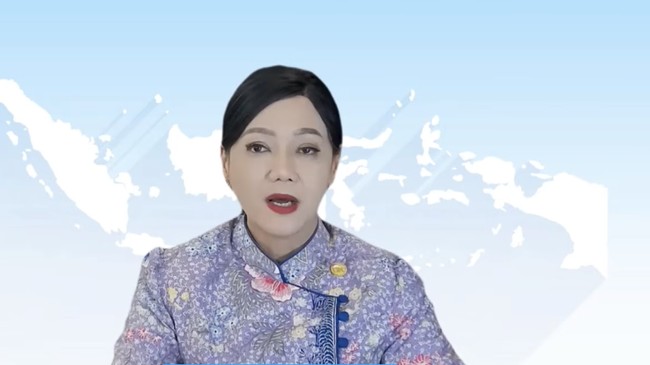
“Although global pressures are considerable, the stability of the domestic financial services sector remains maintained,” said Friderica at a press conference on the results of the OJK’s Monthly Board of Commissioners Meeting (RDKB), held online on Monday (7/9/2026).
As part of its policy agenda, the OJK also stated that it is strengthening the implementation of capital market reform, including the demutualisation process of the stock exchange and enhanced enforcement in the capital market sector.
Source: jawawa.id (https://jawawa.id/newsitem/geopolitical-risks-and-global-economic-slowdown-cast-shadow-over-financial-markets-1788767524)
Originally published by CNBC Indonesia (https://www.cnbcindonesia.com/market/20260907141305-17-765816/risiko-geopolitik-perlambatan-ekonomi-global-bayangi-pasar-keuangan), translated from Indonesian