
Geopolitical Conditions Could Disrupt Distribution and Inter-Country Business Relations
Geopolitical pressures in several countries, particularly in the Middle East, have the potential to hinder distribution routes and business relationships. The presence of B57+ Asia Pacific is seen as an alternative for mitigating risks through cross-sector collaboration.
Head of Research at Kiwoom Sekuritas Indonesia, Liza Camelia Suryanata, stated that clarity is needed regarding short- and medium-term strategies, both in the public and private sectors. This is important so that business actors have a concrete picture of collaboration opportunities that can be developed.
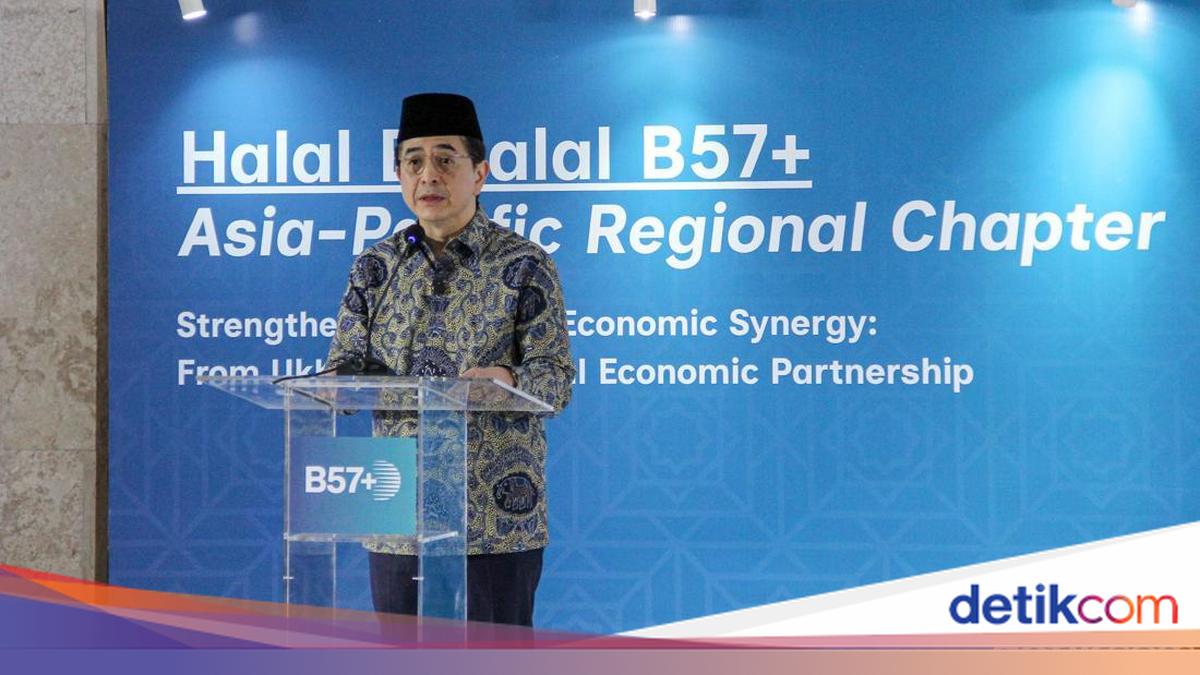
“By prioritising mutually beneficial cooperation without intervention from political or religious interests, business activities are expected to run more stably,” she said on the sidelines of the B57+ Halal Bihalal in Jakarta yesterday.
According to Liza, the B57+ Asia Pacific Chapter, with Indonesia as a key point, is a relevant business cooperation platform amid current global geopolitical uncertainties. This strategic step can strengthen business cooperation between countries in the Organisation of Islamic Cooperation (OIC), with Indonesia as a key actor.
“The presence of this platform has the potential to become a solution in dampening the impact of global geopolitical tensions; through neutral collaboration oriented towards mutual benefits, economic stability can be maintained,” she said.
General Chairman of B57+ Asia Pacific, Arsjad Rasjid, stated that at a time when the world is full of uncertainty and increasingly fragmented, the presence of the B57+ Asia Pacific Regional Chapter in February 2026 is a concrete manifestation of achieving common goals, namely peace and equitable prosperity.
“As a strategic partner, the B57+ Asia Pacific Regional Chapter plays a role in promoting trade among Islamic cooperation organisation partners through structured business networks, strengthening cross-country investments, and formulating concrete policies by bridging private sector priorities and government strategic agendas,” Arsjad explained.
Indonesia’s selection as the coordination centre for the Asia Pacific region is based on two factors: demographic factors with the world’s largest Muslim population, and economic influence, where Indonesia consistently ranks in the top three in the Global Islamic Economy Indicator (GIEI).
The four concrete priorities set in this Chapter are: cross-border supply chain resilience, evidence-based regulatory reform, expansion of the role of Islamic finance, and broader market and capital access.