
Geologist confirms Pacitan's hot springs originate from active fault
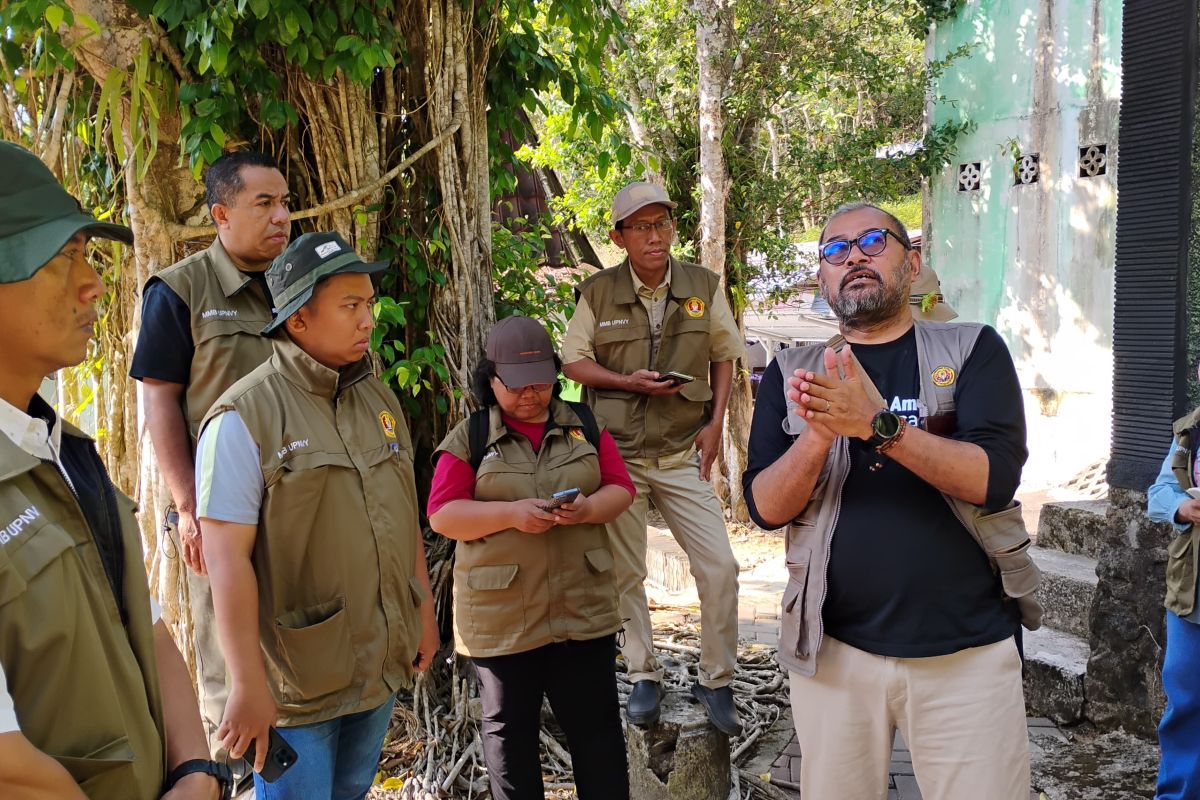
Geologist from UPN Veteran Yogyakarta, Professor Eko Teguh Paripurno, has stated that the presence of several hot springs in Pacitan Regency, East Java, originates from active fault activity on interconnected tectonic plates or crust. He delivered this conclusion after conducting a field study in Pacitan Regency, East Java, on Tuesday. “From a geological perspective, the Pacitan region has no active volcanoes, so the existence of hot springs here points more towards fault factors in the earth’s crust layer, not volcanic activity,” said the geology expert from UPN Veteran Yogyakarta. He then explained the theory behind the emergence of natural hot springs, such as those he researched at the Banyu Anget site in Arjosari District, Pacitan Regency. According to Professor Eko, the expression of natural hot spring emergence is generally caused by two things. First, due to magma activity, and second, because water flows in a fault zone that experiences certain pressures, thus generating heat. “The existence of warm water sources here can be linked to the activity of faults stretching across the Pacitan region,” he continued. Besides the Banyu Anget tourist attraction in Arjosari District, similar phenomena are also found in two other locations. The natural hot springs in question are located in Purworejo Village, Pacitan District, and Tinatar Village, Punung District. According to Professor Eko, these findings further strengthen the suspicion that these points are within a single, interconnected geological system. “The existence of several warm water points spread across one area tends to be related to the same fault system. It just needs to be mapped whether they are on one line or on interconnected fault branches,” he said. Eko noted that the most dominant fault system in Pacitan is the Grindulu Fault. The emergence of warm water sources in several locations indicates that the fault is still showing geological activity, he said. “The position of these hot springs further confirms that the Grindulu Fault is indeed active. Its activity is then distributed to its derivative faults spread across several areas,” said Eko. Although the existing fault is classified as active, he urged the public not to be afraid, especially not to view it solely as a threat. This natural heritage can actually be harnessed for benefits, both for tourism development and small-scale geothermal energy utilisation. “This warm water is actually a blessing that indicates geothermal potential. The most important thing is to understand the risks and adapt development to the existing geological conditions,” he said. On the other hand, residents living in fault areas must learn to coexist with the risks. An adaptive concept is key so that existing risks can be managed and do not turn into disaster threats. “Buildings need to be designed according to earthquake resistance standards, while spatial planning must consider local geological conditions,” concluded Professor ET.