
Genetic Characteristics Become Crucial Component in Determining Cancer Therapy
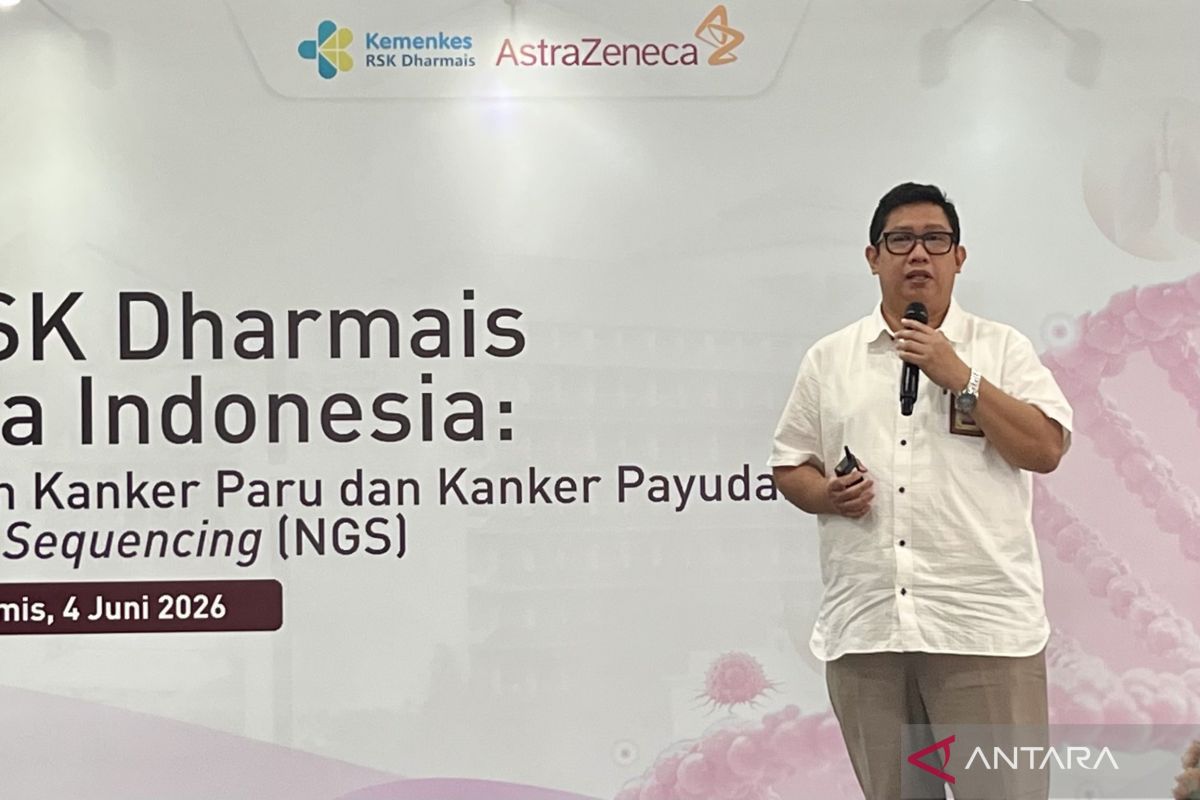
Jakarta (ANTARA) - Dr Eka Widya Khorinal, a consultant haematologist-oncologist at Dharmais Cancer Hospital, stated that genetic characteristics have become a vital component in determining cancer therapy as medical approaches shift towards more personalised and targeted treatments.
“In the past, cancer treatment approaches largely used a one-size-fits-all concept for all patients. However, we now understand that even within the same type of cancer, the characteristics can differ, meaning therapy must be adjusted accordingly,” said Eka during a press conference regarding breast and lung cancer management in Jakarta on Thursday.
According to Eka, patients with the same cancer diagnosis do not always show similar responses to treatment because every cancer possesses unique biological and molecular characteristics. He explained that conventional cancer treatments can produce diverse responses; while some patients achieve excellent results, others may experience minimal improvement or no response at all to the administered treatment.
Consequently, scientific advancements are driving the development of more personalised therapeutic approaches through the understanding of the molecular and genetic characteristics of cancer in each patient. Eka noted that one factor increasingly prioritised in oncological practice is the molecular profile of the cancer, which provides insight into disease behaviour and assists doctors in determining more accurate therapeutic strategies.
“These genetic characteristics are a crucial component in cancer treatment decision-making. By understanding these traits, doctors can select therapies that are more appropriate for the patient’s specific condition,” he added.
Eka emphasised that the need for more precise approaches is becoming increasingly critical as the cancer burden in Indonesia continues to rise annually. Based on Globocan 2022 data, Indonesia records over 400,000 new cancer cases each year, with breast and lung cancers being the two most prevalent types in the country.
To support personalised medicine, doctors are now utilising molecular testing through Next Generation Sequencing (NGS) technology, which enables the identification of various genetic alterations within cancer cells. Through these examinations, doctors can obtain detailed information regarding biomarkers and molecular characteristics, helping to determine more targeted therapeutic options.
In addition to advancements in diagnostic methods, Eka stated that progress in cancer therapy is also accelerating with the emergence of various targeted treatments designed to act on specific molecular characteristics. He believes that the combination of genetic testing and appropriate therapy is expected to increase treatment effectiveness and provide better outcomes for patients.
“Understanding the characteristics of cancer is a vital step in determining more personalised and precise treatment,” concluded Eka.