
Genesis finds illegal oil palm plantations still operating in Seblat elephant habitat
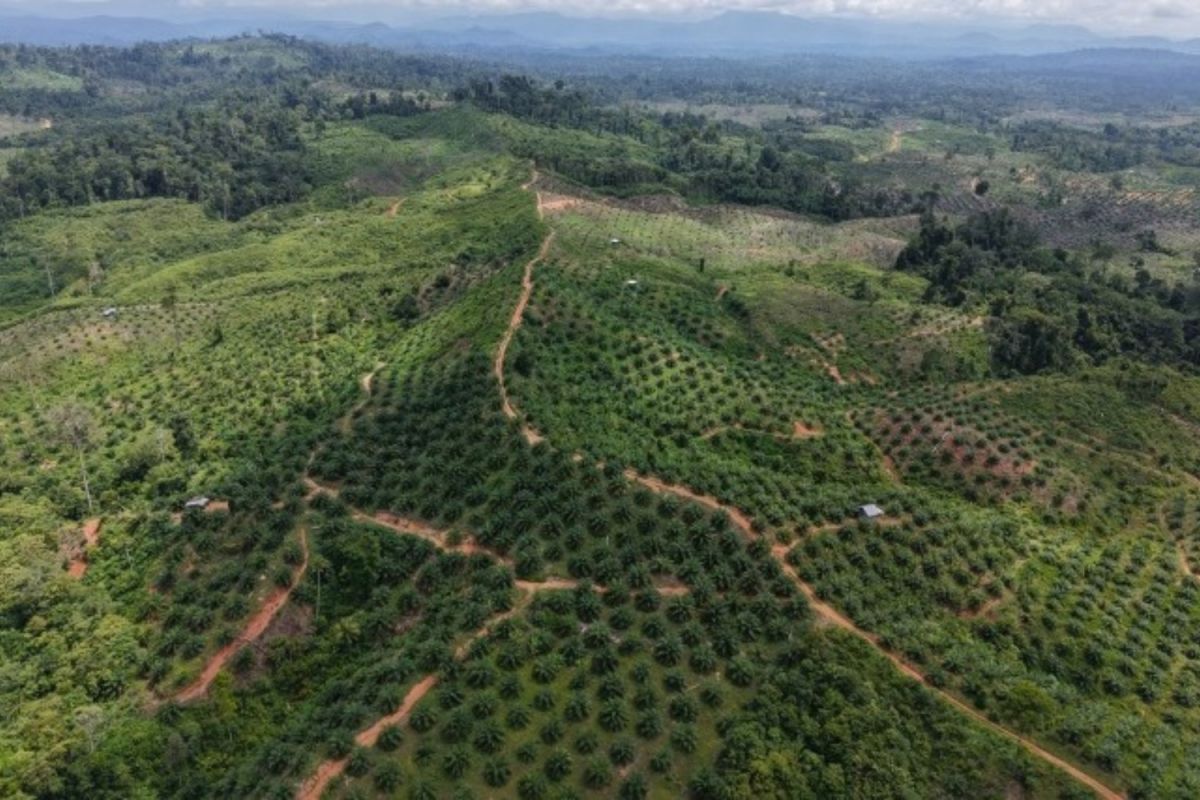
The area has long faced pressure due to encroachment and land clearing for palm oil plantations within forest zones.
Bengkulu (ANTARA) - The Genesis Bengkulu Foundation has found that illegal palm oil plantations are still in production within the Sumatran elephant habitat in the Seblat Landscape, during the first phase of the Forest Area Order Task Force (Satgas PKH) operation.
“Field monitoring results conducted within the concessions of PT Bentanra Agra Timber (BAT) and PT Anugerah Pratama Inspirasi (API) found that most of the illegal palm oil plantations that have long occupied the forest area are still standing and continue to produce,” said Genesis Director Egi in Bengkulu on Monday.
According to Genesis, the Seblat Landscape is one of the vital habitats for Sumatran elephants in Bengkulu Province. The area has long faced pressure from encroachment activities and the conversion of land into palm oil plantations within forest areas.
Within the PT BAT concession, the monitoring team still found activities involving farmers entering and exiting the area, as well as vehicles transporting plantation produce. Additionally, palm oil expanses aged approximately three to eight years were found in several locations, accompanied by the presence of plantation huts and indications of new land clearing in several spots.
Meanwhile, in the PT API concession, Genesis noted several developments, including the demolition of plantation huts and a reduction in new land clearing activities. However, productive palm oil plantations were still found within the area, and the activity of modified vehicles used by encroachers was still monitored.
Monitoring results also showed that several security measures, such as warning signs and security lines in several locations, have sustained damage. According to Genesis, this condition indicates the need for strengthened supervision following the Forest Area Order Task Force (Satgas PKH) operation, to ensure that enforcement efforts can run more optimally.
In several locations that were previously areas of new clearing, the Genesis team found signs of natural succession in the form of growing pioneer vegetation, such as cogon grass, balsam, ferns, and other pioneer species. These findings suggest that the area has the capacity to recover if human activity pressures are halted.
Genesis assesses that the restoration of the Sumatran Elephant habitat in the Seblat Landscape requires sustainable steps, ranging from monitoring area access, enforcement, and post-operation security, to efforts in restoring the ecological functions of the area so that the habitat of protected wildlife can be optimally maintained.
Source: jawawa.id (https://jawawa.id/newsitem/genesis-finds-illegal-oil-palm-plantations-still-operating-in-seblat-elephant-habitat-1782737660)
Originally published by Antara (Indonesian) (https://www.antaranews.com/berita/5627568/genesis-temukan-sawit-ilegal-masih-berproduksi-di-habitat-gajah-seblat), translated from Indonesian