
Generational Divide in ChatGPT Usage: Gen Z Uses AI for Personal Advice, While Older Generations Seek Information
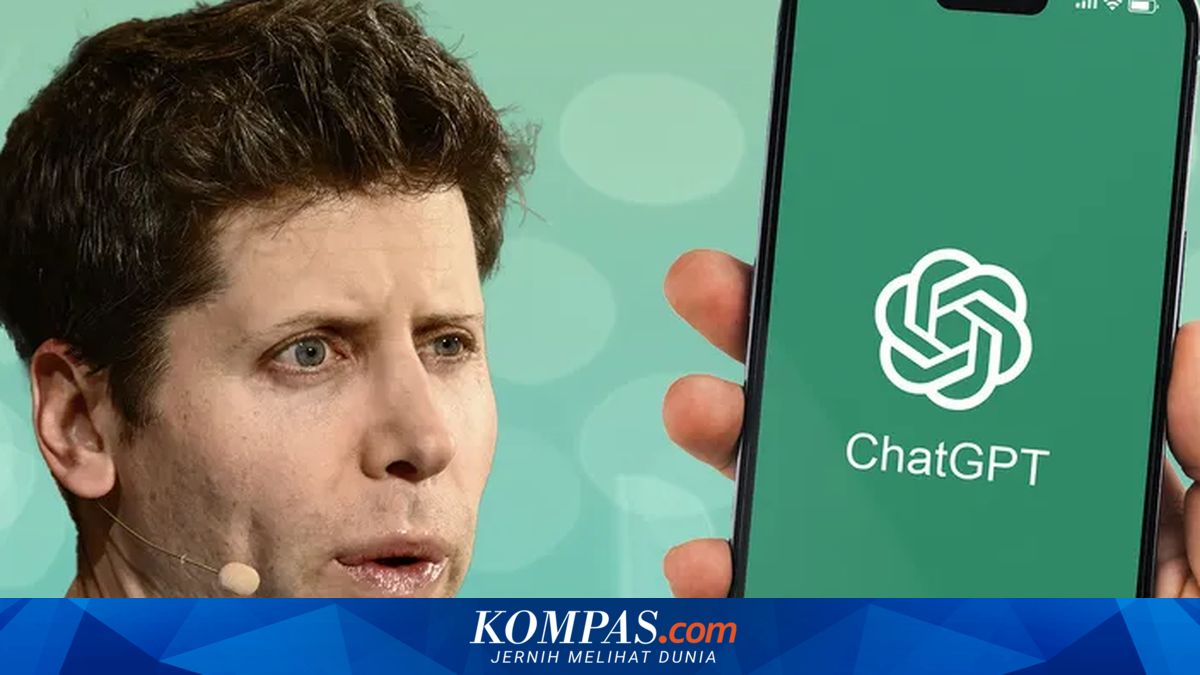
The way individuals use artificial intelligence (AI) chatbots such as ChatGPT varies significantly across generations. OpenAI CEO Sam Altman has revealed that younger generations, particularly Gen Z, utilise ChatGPT in a far more complex manner compared to older users.
According to Altman, older users tend to use ChatGPT much like a search engine, such as Google, to find information quickly and directly. In contrast, Gen’ Z uses ChatGPT as a ‘life advisor’ and even a sort of ‘operating system’ to assist with various daily activities.
‘The difference between how 20-year-olds use ChatGPT compared to older generations is extraordinary,’ Altman stated during the AI Ascent event organised by Sequoia Capital in May 2026.
Altman explained that Gen Z does not merely ask questions and receive answers; they also connect the chatbot to various personal files to assist with work or daily tasks. Furthermore, ChatGPT is being used as a platform to seek advice on various aspects of life, ranging from romantic relationships and employment to other significant decisions. ‘They truly do not make life decisions without first asking ChatGPT what they should do,’ Altman added.
This phenomenon aligns with the trend of using ChatGPT as a digital ‘confidant’. This is made possible by ChatGPT’s conversational memory feature, which allows the AI to remember user context and preferences over time. With this capability, ChatGPT can provide responses that feel more personalised to the user.
‘ChatGPT has complete context about every person in their lives and everything they have discussed,’ said Altman.
Younger generations are noted to adapt much faster to new technologies than older users. ‘This reminds me of when the first smartphones appeared, and every child could use them very effectively,’ Altman remarked.
However, the use of AI for making life decisions remains a subject of debate. Some experts warn that AI like ChatGPT still has limitations and cannot always provide accurate or safe advice.