
Gen Z Increasingly Prone to 'Doomspending', Hardly Ever Saving
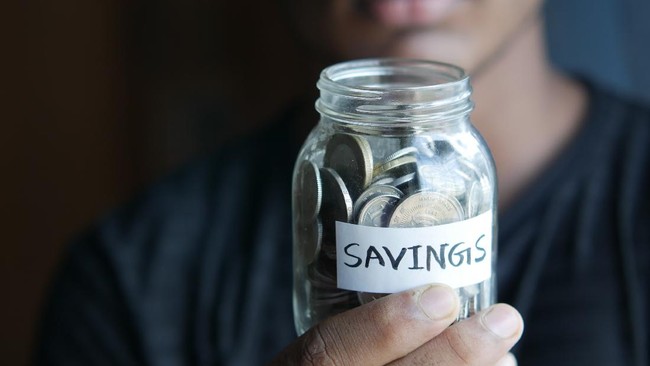
The habit of spending money for momentary pleasure, known as doomspending, is increasingly found among Generation Z (Gen Z). This phenomenon is making it difficult for some young people to build savings to cope with emergency conditions. A survey conducted by fintech app developer Frich found that 47% of Gen Z respondents do not have an emergency fund. The findings were obtained through anonymous analysis of the Frich community, which consists of one million Gen Z users. The analysis examined young people’s views on savings targets, financial pressure, and their attitudes when facing emergency financial conditions.
Personal finance expert and Certified Financial Planner (CFP) Bobbi Rebell assessed that this situation cannot be separated from the various economic pressures faced by the younger generation in recent years. “It makes sense that they feel that way, given the various economic setbacks over the past few years,” Rebell said, as quoted by Fortune on Thursday (20/8/2026).
The term doomspending refers to the behaviour of spending money, especially on goods or experiences that provide instant gratification, when a person feels pessimistic or lacks control over economic conditions and their future. Economic uncertainty, political turmoil, and high social media usage are said to influence this behaviour. For some Gen Z individuals, saving even feels futile. They feel that the financial worries they face are often not understood, while the financial advice they receive is considered out of touch with the reality of their lives. This situation has led many young people to seek financial information from unconventional sources, ranging from TikTok influencers to online communities.
Gen Z’s financial pressure is also evident in Bankrate’s latest report on emergency savings. As many as 27% of Gen Z are recorded as having debt that exceeds their savings. Yet they still have various long-term financial targets. Frich data shows that more than 20% of Gen Z want to save to buy their first home. Frich co-founder and Chief Product Officer Aleksandra Medina said the current economic situation makes it increasingly difficult for Gen Z to prioritise saving. “Many Gen Z are in a difficult financial situation, trapped between paying for current needs or setting aside money for emergencies and buying goods on credit,” Medina said.
When various financial targets feel increasingly difficult to achieve, some young people ultimately choose to spend money on experiences or goods that can provide immediate satisfaction. Frich research shows that almost a third of Gen Z would ask family members for help when experiencing sudden financial problems. Meanwhile, around 25% choose to take on additional debt. Rebell said young people need to reconsider the impact of impulsive purchases, including how they feel after shopping and how long that happiness lasts. They also need to think about how to deal with emergencies if they have no savings and how difficult it would be to repay debt if they had to borrow money again. According to Rebell, the approach to Gen Z cannot simply be lectures about the importance of saving. “The key is to listen, not to lecture,” she said.
From the Frich survey, 53% of respondents admitted to already having an emergency fund. However, the average amount collected is still less than US$7,000, or around Rp114 million assuming an exchange rate of Rp16,300 per US dollar. That amount is indeed not small. However, major needs such as job loss, accidents, or other unexpected expenses can drain savings in a relatively short time. Rebell suggests that young people start building savings automatically, especially through accounts that offer higher yields. The amount does not have to be large at first. A person can start from US$20 to US$40, or around Rp326,000 to Rp652,000, each time they receive a salary, then increase the amount gradually.
Emergency funds must also be easily accessible when needed. United Financial Planning Group President Gerry Barrasso reminded that liquidity is one of the most important factors in choosing where to store such funds. “Emergency funds must be liquid, otherwise they are useless. You must be able to access the money immediately,” Barrasso said. According to him, low-cost or no-cost savings accounts and money market accounts can be options. Keeping all funds in a current account does provide quick access, but usually does not generate optimal interest. Medina assessed that increasing financial pressure has left Gen Z with less room to save in the same way as previous generations.
The problem is actually not only experienced by Gen Z. Bankrate noted that almost a third of Americans have credit card debt that exceeds their savings. Nevertheless, building an emergency fund can still start from a small amount. Consistency in saving and utilising appropriate instruments is considered able to help strengthen financial conditions amid the pressure of living costs.
Source: jawawa.id (https://jawawa.id/newsitem/gen-z-increasingly-prone-to-doomspending-hardly-ever-saving-1787208751)
Originally published by CNBC Indonesia (https://www.cnbcindonesia.com/lifestyle/20260820120325-33-760884/gen-z-makin-sering-doomspending-nyaris-tak-pernah-menabung), translated from Indonesian