
Gen Z Humour and Nerve Successfully Shake India's Regime Through Protests
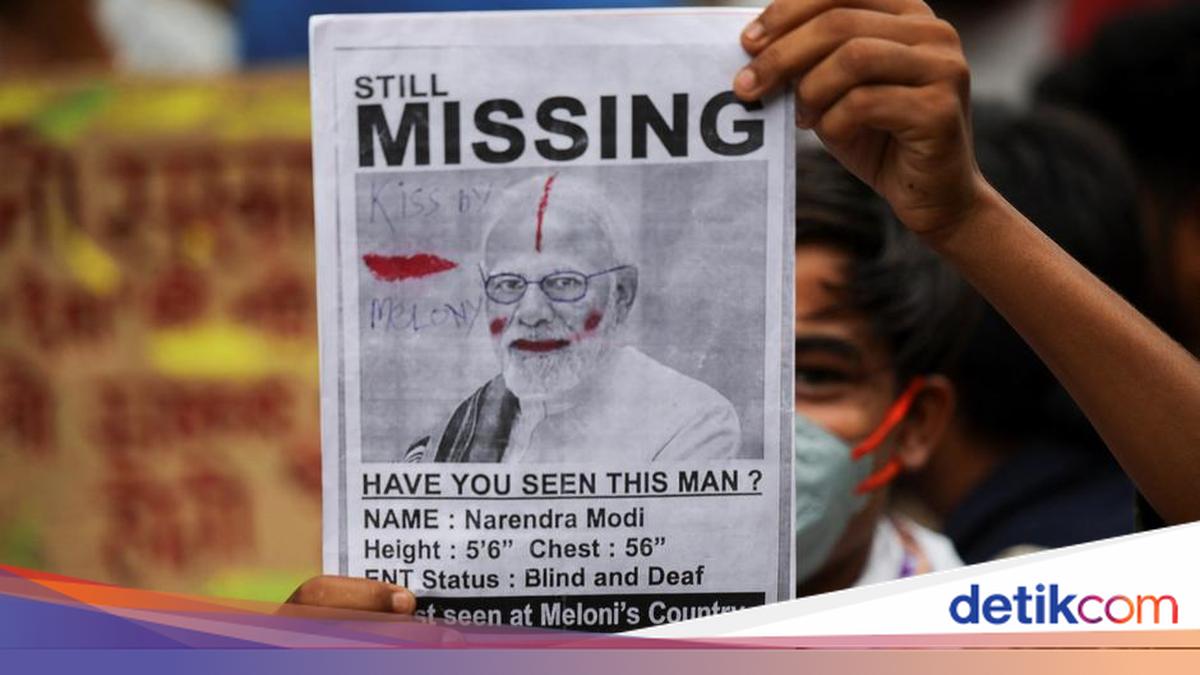
Walking from Jantar Mantar to Connaught Place in central New Delhi on Saturday afternoon (25/07) presented an unusual sight in the heart of one of the world’s largest democracies. Satirical posters mocking India’s legislative, executive, and judicial institutions were plastered everywhere. On the pavements, graffiti, some of which was considered ‘vulgar’, directly targeted Prime Minister Narendra Modi. These were the remnants of an action by thousands of young people from the ‘cockroach’ movement, who had filled the streets hours after Education Minister Dharmendra Pradhan resigned. Pradhan’s resignation was met with raucous celebration by the protesters, as it was one of their main demands. Some participants even joked with security personnel, saying ‘see you at the next protest.’ On Instagram, a similar atmosphere was visible in various cities. Young people were seen dancing in front of police to viral songs, while others carried quirky posters and climbed barricades.
The movement, known as the Cockroach Janta Party (CJP), originated from a senior official’s comment that labelled unemployed youth as ‘cockroaches’. The name was then twisted into a satire of the ruling Bharatiya Janata Party (BJP). Since a university entrance exam scandal erupted in May 2026, Gen Z protests have spread across various regions. They challenge the political elite through social media like Instagram reels, viral trends, satirical jingles, and creative posters. ‘In our generation, humour is a way to deal with frustration and powerlessness,’ said Karan Azad, a 24-year-old law student. ‘This protest is driven by humour and social media.’ A female protester even carried a poster mocking Modi with a casual, taunting phrase: ‘Mate, you can’t even make a cup of tea.’ She also said, ‘I had to take part. We are the youth, if we don’t act, who will?’ Meanwhile, Tushar (24) admitted he was not afraid of potential pressure from the authorities. Instead, he confessed he was afraid of missing out, saying, ‘I could get FOMO if I didn’t take to the streets.’ Ridhima (17) stated, ‘If not us, who else? Those who didn’t come here are the real cowards, like the people sitting in the seats of power.’
Content creator Arun Singh, known by the account ‘TheJhumroo’, believes meme culture plays a major role in keeping the protest’s energy alive. ‘Meme culture fuels this emotion. This generation often uses the language of memes, it’s their way of communicating,’ he said. He described the young protesters as a generation that is ‘almost fearless’. ‘They are not afraid of anyone, they don’t overthink other people’s judgement. That’s what makes them brave,’ he added. Mumbai-based comedian Aditi Mittal sees the courage of these Gen Z protesters as inseparable from their lives in a world of ‘total visibility’. ‘At the very least, they have 500 followers. So if they post something on their story, it almost certainly won’t be ignored,’ she told DW. Mittal also believes that Gen Z in India has ‘inherited the most fitting form of protest’. ‘Previous generations focused on building infrastructure. We, the millennials, grew up with the aspiration to create a more equal world, amidst realities like discrimination against Muslims. We grew up in that situation and were often ’convinced’ that everything was fine, when it wasn’t. We also tend to be too restrained,’ she said. ‘Gen Z has inherited the most appropriate form of protest. The issue of education transcends religious and secular divides. It easily finds resonance, especially in a country like India, where education is often the way out of social and economic limitations.’ Mittal also highlighted the difference between the current situation and the 2019 anti-Citizenship Amendment Act (CAA) protests, one of the last major movements to challenge the Modi government, which focused on discrimination against Muslims. ‘In the anti-CAA protests, demonstrators were expected to always be ’perfect’. Staying polite to the authorities, even when being beaten or threatened, that was the standard imposed on us back then,’ she said. ‘These young people are different. They don’t wait around or try hard to look perfect.’
Satire is not new to Indian politics. Caricatures have long been used as a medium to channel anger against colonialism, especially in Bengal. Political cartoonists like Abu Abraham and R.K. Laxman also challenged strict censorship during Prime Minister Indira Gandhi’s era, particularly during the state of emergency from 1975 to 1977 that restricted civil liberties. ‘Satire is a very effective way to convey a message. It’s like making healthy food appealing, so it’s easier to digest. Humour has a stronger reach, it’s easier to grab attention,’ content creator Singh told DW. Writer Ananya Vajpeyi believes humour also helps build public sympathy and makes the atmosphere of the protest feel lighter. ‘These protesters don’t look threatening, they’re just young people with funny posters. If the authorities respond too harshly, it backfires on them,’ she said.