
Gen Z Goat Farmer in Bekasi Uses Tempe Waste to Rapidly Fatten Goats
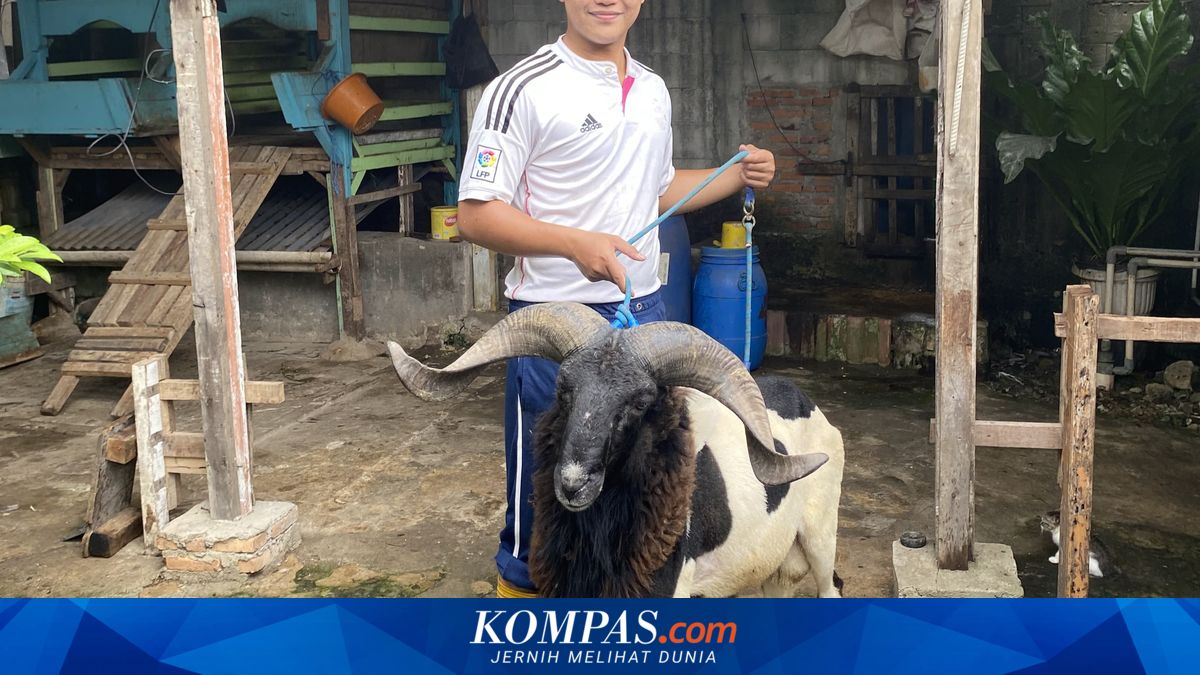
JAKARTA — Entering the livestock industry at a young age hasn’t stopped 21-year-old student Hanan from taking it seriously. Despite lacking formal education in livestock rearing, he has taught himself to develop his farm located within the Taman Tridaya Indah Housing Complex in Bekasi Regency, West Java. Hanan is a history graduate from the State Islamic University (UIN) Jakarta. He also relies on scientific journals to implement modern livestock methods in a residential area. Whereas traditional livestock farming typically feeds animals only grass, Hanan’s Gen Z-run farm differs. Hanan says livestock requires 100% complete nutrition: 60% carbohydrates, 20% protein, and 20% fibre. This complete nutrition must be provided daily for sheep or goats to fatten quickly. “Modern farming can’t just rely on grass; there needs to be something to accelerate goat growth quickly,” Hanan told Kompas.com on Friday, 22 May 2026. Therefore, Hanan provides 60% carbohydrates in the form of concentrate, 20% protein from tempe residue, and 20% fibre from regular grass daily. As a result, his goats fatten rapidly, particularly ahead of Idul Adha. This is because many people do not know how to select truly well-fattened goats. This poses a significant risk if buyers encounter dishonest traders or farmers misrepresenting the condition of their livestock. Therefore, to ensure sacrificial animals are properly fattened, the public must understand Body Condition Score (BCS). “BCS assesses the body condition of goats or sheep by measuring neck thickness, thigh size, and belly girth,” Hanan explained.