
Gen Z Dominance in 2029 Election Drives Data and AI-Based Political Campaigns
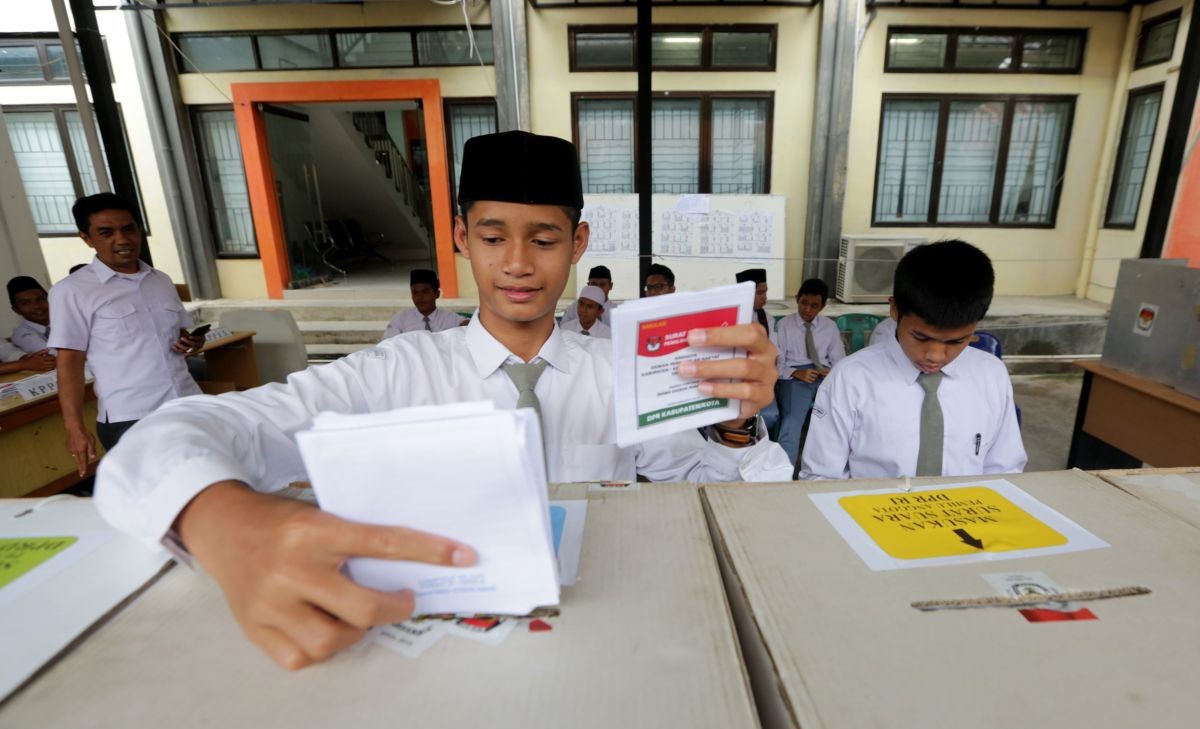
Ahead of the 2029 General Election, the composition of Indonesia’s electorate is expected to undergo a major transformation. Approximately 65% of voters are projected to come from Generation Z, a cohort raised in the digital era and highly familiar with gadgets and social media. This demographic shift is pushing legislative candidates to abandon conventional campaign methods and adopt approaches more suited to the character of young voters.
Unlike previous generations, Gen Z largely shapes its opinions through digital spaces. Political conversations that once took place face-to-face now occur predominantly on social media, with issue dynamics that can change very rapidly and vary across electoral districts. This situation makes mapping voter behaviour increasingly complex.
Furthermore, supporting political data is scattered across various sources, from election results at thousands of polling stations and socio-economic data from the Central Statistics Agency (BPS) to public discourse in mass media and social media. Manually processing all this information is no longer considered effective for candidates or their campaign teams.
This situation is driving the development of political technology in Indonesia. One example is an artificial intelligence-based platform developed to assist candidates for the national parliament (DPR RI), provincial councils (DPRD provinsi), and district/city councils (DPRD kabupaten/kota) in mapping electoral conditions in their constituencies through data-driven analysis.
Voxstream CEO Wahyu Permana stated that the changing character of voters makes a data-based approach increasingly important. According to him, candidates need instruments that can objectively read the dynamics of young voters so that campaign strategies can be more precisely targeted.
“The current voter composition is dominated by Generation Z, who have a high level of exposure to gadgets and social media. Therefore, legislative candidates need to implement campaign strategies that are more in line with their character so that political messages can be received effectively,” Wahyu said in a statement on Wednesday (5/8).
He explained that the platform integrates data from the General Elections Commission (KPU), BPS, media coverage, and conversations across various social media platforms. This data is then processed into various indicators, such as electability levels, public sentiment, competitor mapping within the same electoral district, and voter bases mapped down to the polling station level. The platform also provides simulations of various political scenarios to estimate the chances of winning seats.
“All analysis results are summarised in a Competitiveness Index with a scale of 0 to 100. This index provides an overview of the candidate’s position, ranging from weak to very strong categories, and is updated periodically following the latest data developments during the campaign period,” he explained.
The use of data analytics in politics has long been applied in various countries with advanced democratic systems. The technology is used to identify voter bases while formulating communication strategies that match the character of the community in each region.
In Indonesia, the use of such technology is now growing and can be utilised directly by candidates, including those contesting an election for the first time. For novice legislative candidates who lack a personal support base, the platform also provides analysis based on the strength of political parties in the electoral district. This approach is expected to help candidates develop more realistic campaign strategies from the outset.
The presence of data-based technology is considered to have the potential to change the pattern of political competition to become more substantive. With access to measurable information, competition is expected to no longer rely solely on the magnitude of resources, but also on the quality of programmes, track records, and the candidates’ ability to understand voters’ needs. The effectiveness of this approach will be an interesting aspect to observe in the 2029 General Election.