
Garlic Prices in Indonesia Surge as Hormuz Crisis Drives Up Chinese Shipping Costs
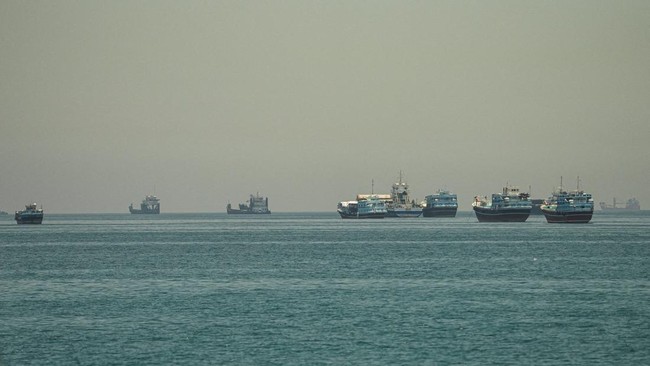
The Ministry of Trade has stated that the crisis in the Strait of Hormuz is one of the factors causing domestic garlic prices to climb. Disruptions to international shipping routes have triggered a surge in logistics costs from China, the main supplier of garlic to Indonesia.
Director of Domestic Market Development at the Ministry of Trade, Nawandaru Dwi Putra, said the price increase was triggered by a combination of the rupiah’s depreciation against the US dollar and rising distribution costs from the country of origin. “One indication of this increase is the strengthening of the dollar against the rupiah, which triggers price hikes in the country of origin, the largest being China, and this is also triggered by an increase in distribution costs,” Nawandaru said during the Regional Inflation Control Coordination Meeting at the Ministry of Home Affairs on Monday (13/7/2026).
According to him, the rise in logistics costs is linked to the impact of the Strait of Hormuz crisis. Based on information from the Shanghai Container Freight Index, Chinese-flagged vessels are now being contested by many countries, causing shipping costs from China to Indonesia to soar. “Following the Strait of Hormuz crisis, every country is scrambling to rent or use Chinese-flagged ships. This is one of the triggers for the increase in logistics or distribution costs from the producer country, namely China, to our country,” he explained.
Amidst these cost pressures, domestic garlic prices remain above the government’s reference selling price at the consumer level. As of 10 July 2026, the national retail price for Honan garlic was recorded at Rp39,315 per kilogram, or 5.5% above the reference price set by the National Food Agency. In non-Maluku and Papua regions, the price was slightly above the reference at Rp38,096 per kg, while in Maluku and Papua, it surged to Rp64,867 per kg, or 62% above the reference price. For Kating garlic, the national average price reached Rp41,270 per kg, with prices in eastern Indonesia hitting Rp63,353 per kg.
To curb prices, Nawandaru said his party is coordinating with the Directorate General of Foreign Trade to change the distribution pattern of imported garlic, especially to eastern Indonesia. “We are encouraging business actors or importers to drop these ships at major ports in the eastern region, because price developments there are very significant,” he said. He hopes that by having ships dock directly at major ports in the east, logistics costs can be reduced and selling prices can be suppressed. Although the import mechanism is business-to-business, the ministry hopes importers will follow the appeal so that distribution becomes more efficient and price disparities, particularly in eastern Indonesia, can gradually decrease.
Source: jawawa.id (https://jawawa.id/newsitem/garlic-prices-in-indonesia-surge-as-hormuz-crisis-drives-up-chinese-shipping-costs-1783925507)
Originally published by CNBC Indonesia (https://www.cnbcindonesia.com/news/20260713122502-4-750361/ongkos-kapal-china-makin-mahal-gegara-krisis-di-hormuz-ri-bisa-apa), translated from Indonesian