
GAPPRI: Nicotine and Tar Regulations Threaten the National Tobacco Industry
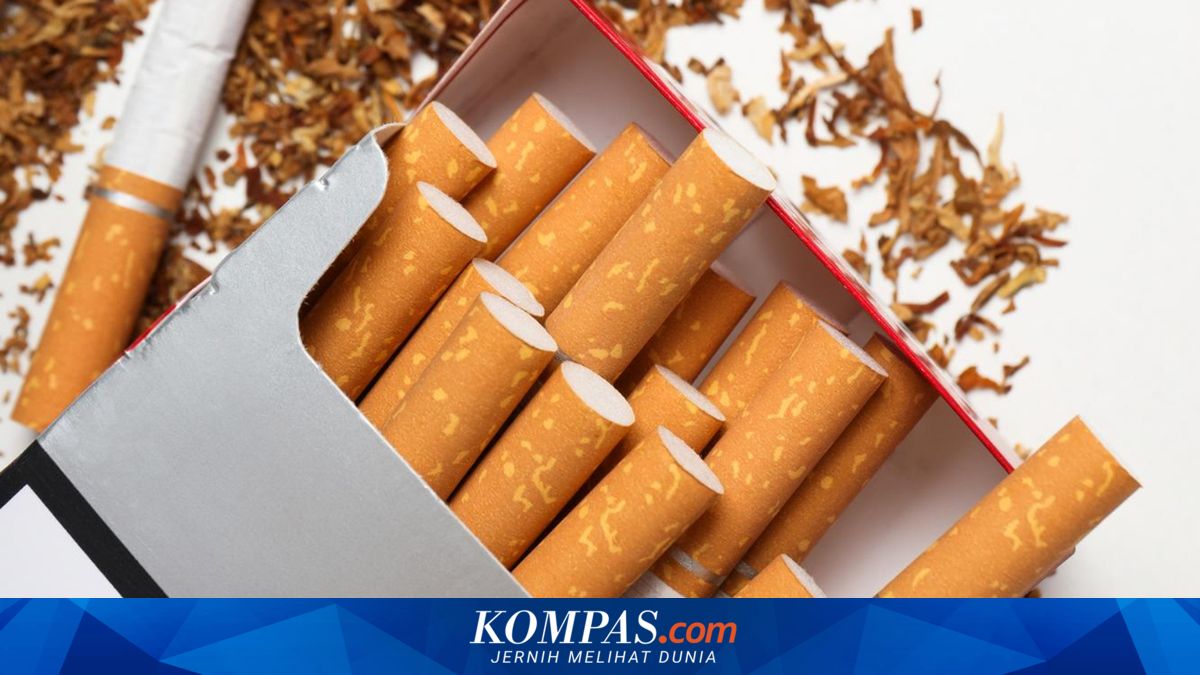
JAKARTA, KOMPAS.com - The Indonesian Joint Association of Cigarette Factories (GAPPRI) assesses that the government’s plan to regulate limits on nicotine and tar levels, along with a ban on additives in tobacco products, could kill the sustainability of the national Tobacco Products Industry (IHT) supply chain.
The government, through the Coordinating Ministry for Human Development and Culture (Kemenko PMK), intends to regulate limits on tar and nicotine levels.
Additionally, the Ministry of Health (Kemenkes) is preparing a Draft Ministerial Health Decision on Additives Prohibited in Tobacco Products and Electronic Cigarettes.
Henry explained that this view is based on field facts regarding the unique characteristics of raw materials that distinguish kretek cigarettes, which no other country possesses.
“The main raw materials of our products are domestic tobacco and cloves, such as Temanggung tobacco, which naturally has relatively high nicotine levels. For illustration, on average, one gram of Temanggung tobacco contains 30 mg to 80 mg of nicotine. If the limits set are far below that figure, we will face great difficulties in meeting those standards,” said Henry in a written statement on Wednesday (15/04/2026).
He added that the regulatory plan would also threaten the clove commodity.
Limiting tar levels is tantamount to reducing the use of cloves in cigarettes.
“This policy is seen as damaging the distinctive taste of kretek as an embodiment of local wisdom that has long been accepted by the market, while also destroying the livelihoods of thousands of clove farmers,” said Henry.
Henry reminded that Indonesia already has standardisation for measuring nicotine and tar levels through the Indonesian National Standard (SNI) set by the National Standardisation Agency (BSN).
GAPPRI also highlighted the regulation on prohibited additives in tobacco products.
The draft regulation prohibits the use of almost all additives, including those categorised as food grade.