
GAPPI Chairman: Free Nutritious Meals Must Partner with Pesantren Kitchens to Prevent Corruption
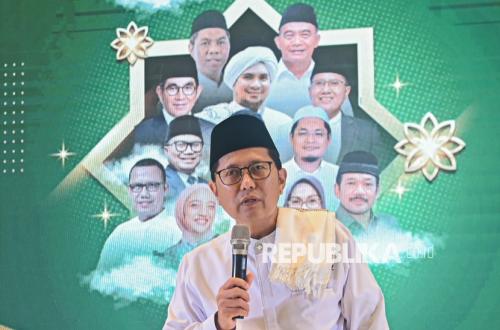
The General Chairman of the Indonesian Pesantren Caretakers Movement (GAPPI), KH M Cholil Nafis, has proposed that the implementation of the Free Nutritious Meals (MBG) programme involve the independent kitchens already owned by Islamic boarding schools (pondok pesantren). According to him, this step could be a solution to prevent corrupt practices while ensuring the community’s nutritional needs are met in a well-targeted manner. The proposal was made following the designation and detention of three former officials of the National Nutrition Agency (BGN) by the Attorney General’s Office (Kejagung) in a case of alleged corruption in the governance of the MBG Programme. The caretaker of the Cendekia Amanah Pesantren in Depok, West Java, believes the government needs to change the programme’s implementation strategy by utilising ecosystems that are already running in the community, rather than building centralised procurement projects that are vulnerable to manipulation. “We must be able to interpret the local wisdom of each place for nutritional fulfilment. So the benchmark is not building physical projects, but ensuring the nutrition of our community is fulfilled,” said Kiai Cholil in his statement on Wednesday (10/6/2026). He cited that pondok pesantren and religious educational institutions generally already have independent kitchens and canteens that function well. Therefore, the government can partner with these existing systems so as not to fall into the trap of physical procurement projects that potentially become fields for seeking personal profit. According to Kiai Cholil, the alleged corruption case involving former BGN Head Dadan Hindayana and two other former officials, Sony Sonjaya and Lodewyk Pusung, must serve as a lesson for the government to place officials based on competence and integrity.