
Gapki Warns of Palm Oil Market Loss Risk from Single-Door Export Policy
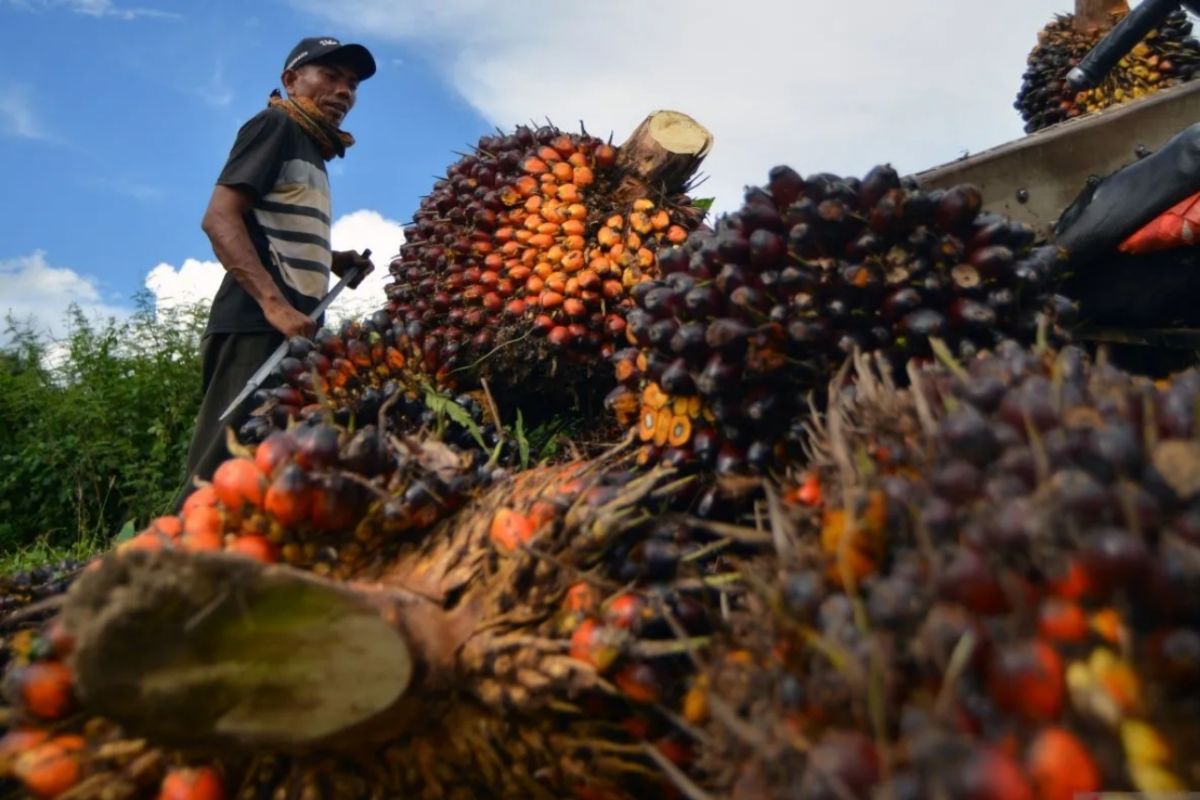
The national palm oil industry has stressed the importance of regulatory and system readiness in implementing the single-door export policy through PT Danantara Sumber Daya Indonesia (DSI). Businesses are concerned that a premature implementation could disrupt Indonesia’s export competitiveness and prompt buyers to switch to other countries or commodities.
Indonesian Palm Oil Association (Gapki) Chairman Eddy Martono said the transition period until early 2027 should be used by the government to perfect various technical rules and supporting infrastructure before the policy is fully enforced.
According to Eddy, the palm oil industry plays a strategic role in the national economy as one of the largest foreign exchange contributors while supporting the livelihoods of millions of workers in Indonesia.
“We hope all mechanisms and systems can be prepared thoroughly during the transition period so as not to disrupt export flows or international buyer confidence,” he said in the EdShareOn podcast aired on Wednesday (10/6).
The single-door export policy is regulated in Government Regulation Number 24 of 2026 concerning Governance of Strategic Natural Resource Commodity Exports. This regulation requires strategic commodity exports, including crude palm oil (CPO) and its derivatives, to be conducted through DSI. The government says the policy aims to strengthen supervision of export proceeds foreign exchange, curb under-invoicing and transfer pricing practices, and increase state revenue.
While supporting these objectives, Gapki believes several aspects require attention, particularly regarding business data protection and buyer information confidentiality.
Eddy revealed that many palm oil derivative products have technical specifications and formulas that are part of trade secrets belonging to companies or international buyers. For this reason, the industry hopes the government can guarantee data security that will be managed through the new export system.
“We have reminded them that buyer data and business information confidentiality must remain protected. If this information leaks, it could certainly harm businesses and affect market confidence,” he said.
He also cautioned that Indonesia is not the only vegetable oil producer in the world. If the Indonesian palm oil purchasing process is perceived as increasingly complicated, buyers could potentially switch to other commodities such as soybean oil, sunflower oil, or corn oil available on the global market.
According to Eddy, these concerns were reflected in the market’s response following the announcement of the single-door export policy in May 2026. At that time, CPO prices and fresh fruit bunch prices at the farmer level came under pressure before the government provided further explanation regarding the policy’s implementation.
Beyond market aspects, Gapki also reminded about the importance of administrative and digital system readiness that DSI will use. The industry worries that if the export licensing and approval process faces obstacles, it could trigger queues at ports, disrupt palm oil mill operations, and impact the absorption of farmers’ harvests.
Therefore, Gapki hopes the government will involve industry players in the system refinement process during the transition period.
“A good policy must not face implementation hurdles because its supporting system is not ready. Palm oil is an industry with a massive supply chain that moves continuously every day,” he added.
On the other hand, Eddy also highlighted new challenges the palm oil industry will face ahead of the full implementation of the European Union’s anti-deforestation regulation in 2027. This regulation requires every palm oil product to have a detailed traceability system down to geographic coordinates.
According to him, administrative readiness and an integrated traceability system will be crucial factors so that Indonesian palm oil exports can remain competitive and meet the increasingly stringent requirements of the global market.