
GAPKI: Palm oil is a strategic commodity underpinning Indonesia's economy
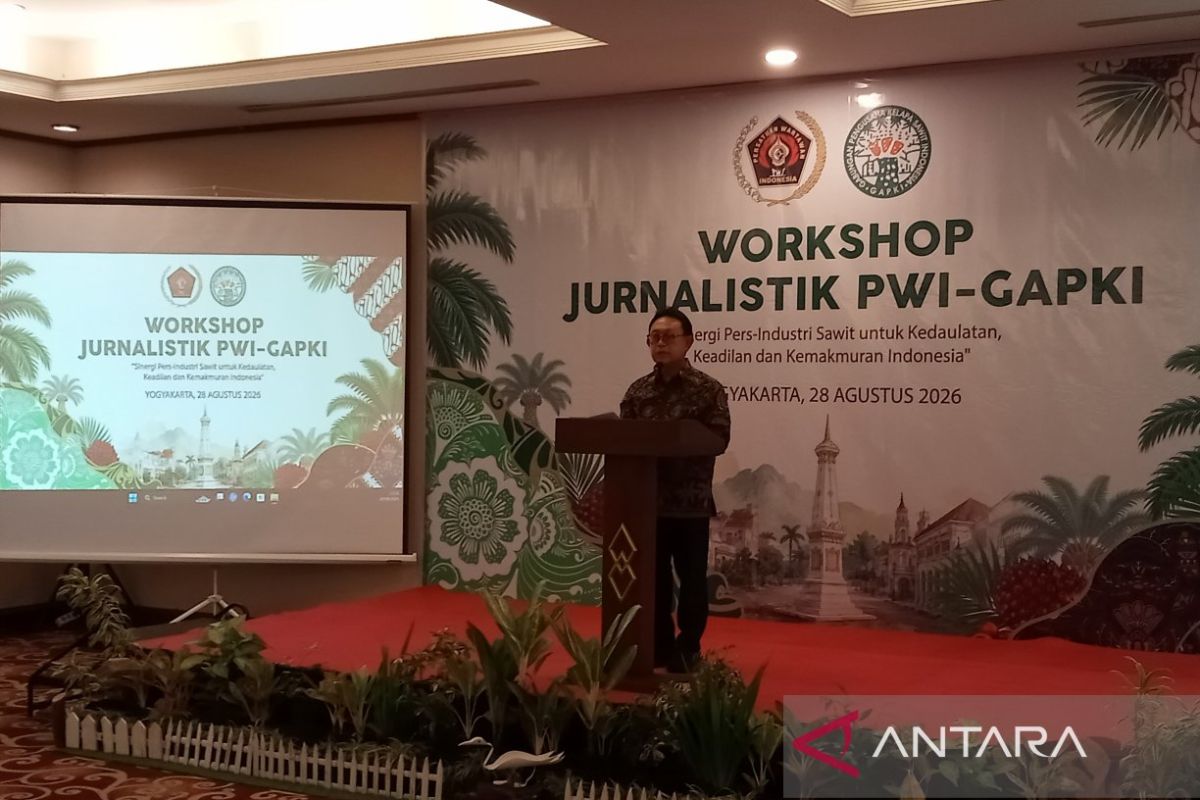
Yogyakarta (ANTARA) - Chairman of the Indonesian Palm Oil Association (GAPKI) Edy Martono said that palm oil is one of the strategic commodities underpinning Indonesia’s economy.
“It should be noted that palm oil is an extraordinary pillar of the Indonesian economy; in fact, palm oil has rescued the economy from several crises,” Edy said at the PWI-GAPKI Journalism Workshop in Yogyakarta on Friday.
According to him, during Indonesia’s economic crises in 1998, then in 2008, and later during the COVID-19 pandemic, the Indonesian palm oil industry broke records by generating substantial foreign exchange earnings reaching US$39.2 billion.
“Then at present, when global conditions are unfavourable, palm oil still makes an extraordinary contribution, so this means that in the current situation, palm oil is indeed providing a remarkable contribution,” he said.
He said the palm oil industry in Indonesia is also capable of absorbing a very large workforce, with 16 million people recorded as being involved in the industry.
“And the Indonesian public must realise that we are truly the world’s largest producer of palm oil. But we are also the world’s largest consumer of palm oil,” he said.
He said various products used by Indonesians are made from processed palm oil, such as bath soap, toothpaste, shampoo and other food products consumed daily by the public.
“We do not realise that from the moment we wake up until we go back to sleep, we encounter palm oil products. When we wake up, we wash our face, brush our teeth, use soap, shampoo, then have breakfast, coffee, and even chocolate sweets made from palm oil,” he said.
Chairman of the Central PWI Akhmad Munir said the workshop was important because the palm oil industry and the press face similar challenges in dealing with dynamics and various emerging issues.
“The palm oil industry is a mainstay Indonesian commodity, the backbone of the national economy and a mainstay of Indonesia’s export economy,” he said.
Munir said the press has a responsibility to present information about the palm oil industry objectively, and therefore reporting must not merely promote a positive image of the industry, but must remain grounded in valid data and facts.
Therefore, according to Munir, the synergy between the press and the industry must be directed towards encouraging improvements in palm oil governance so that it becomes better, environmentally friendly, does not violate human rights, and pays attention to workers’ welfare.
He said journalists need to have in-depth knowledge in order to see palm oil issues comprehensively.
“This forum enlightens, educates, and provides data and factual information that fellow journalists need to understand, so that journalists have in-depth knowledge about palm oil,” he said.
Source: jawawa.id (https://jawawa.id/newsitem/gapki-palm-oil-is-a-strategic-commodity-underpinning-indonesias-economy-1787935964)
Originally published by Antara (Indonesian) (https://www.antaranews.com/berita/5716171/gapki-sawit-jadi-komoditas-strategis-penopang-ekonomi-indonesia), translated from Indonesian