
Gapki: Innovation and Technology a Strategic Necessity for the Palm Oil Industry
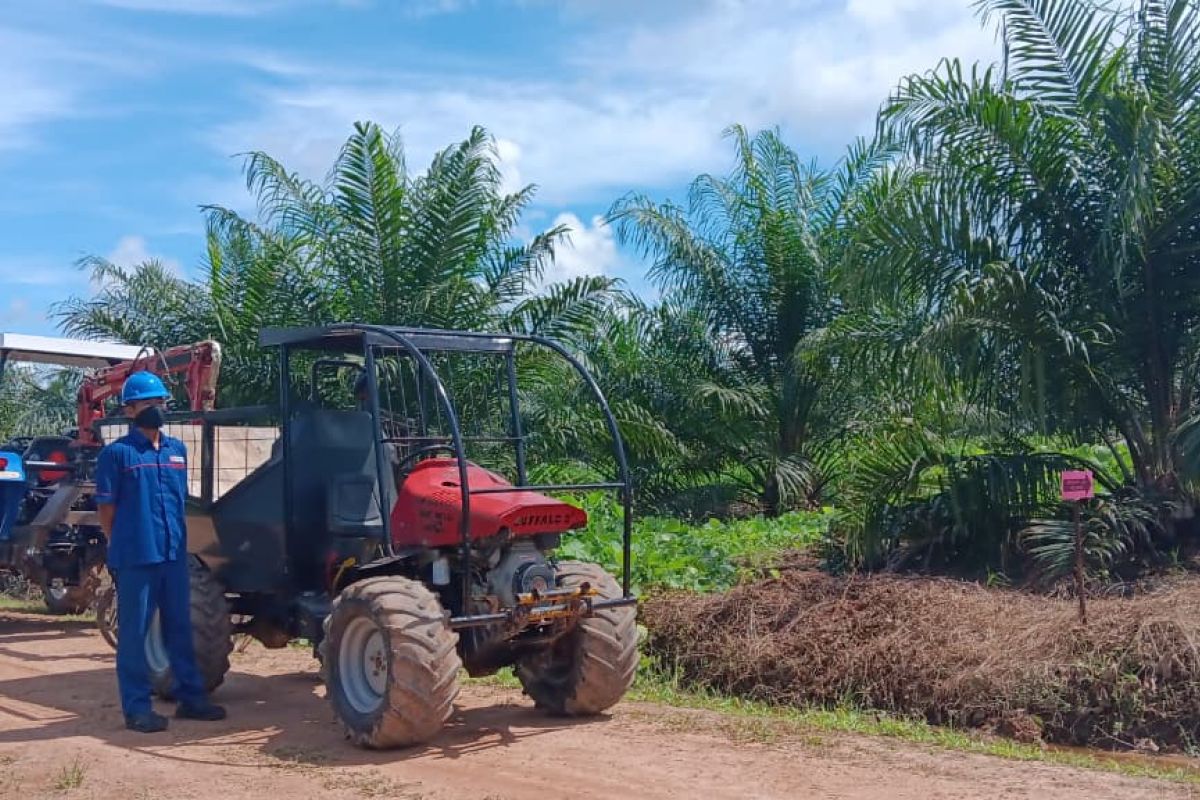
Competition in the palm oil industry is intense. Dwi Asmono, Head of Research and Development at the Indonesian Palm Oil Association (Gapki), stressed that innovation and technological transformation are strategic necessities for the national palm oil industry. “When it comes to technology, there’s the adage ‘innovate or die’. Competition in the palm oil industry is intense,” he said in a statement in Jakarta on Tuesday. He stated that Gapki’s top priority in the upstream sector is boosting productivity, prompting the formation of cross-company consortia to foster industry collaboration. These include consortia for genetic resources, ganoderma, and mechanisation, digitalisation, and automation (MDO), with the latest initiative taking place at Binasawit Abadipratama plantation in Hanau district, Seruyan regency, Central Kalimantan. Through this forum, Dwi Asmono said Gapki members are not operating in isolation but building a shared learning ecosystem to accelerate technology adoption in Indonesia’s palm oil plantations. “The industry needs shared learning, benchmarking, joint pilot projects, and the courage to try new technologies. Gapki serves as an industry collaboration platform,” he added. He also explained that the palm oil industry faces major challenges including labour shortages, efficiency pressures, sustainability and traceability demands, climate change, and the need for workforce regeneration. Therefore, transforming towards mechanisation, digitalisation, and automation is an urgent necessity. “Indonesia’s palm oil future is not only planted in the ground but built through innovation and collaboration,” Dwi Asmono said. Benny Yusuf Setiawan, CEO of Binasawit Abadipratama, explained that mechanisation, digitalisation, and automation simplify field tasks previously done manually. One innovation implemented by the company is the ‘rorak’ replanting method, expected to significantly boost crop productivity. “Previously, the target yield at 31-42 months after planting was around 10 tonnes per hectare. Now, we can increase it to 15, even up to 20 tonnes for the first harvest,” Benny said. Meanwhile, Rizki Djaya, Gapki’s Central Kalimantan branch chairman, stressed that benchmarking and technology-sharing activities held across member plantations demonstrate members’ unity in safeguarding the national palm oil industry’s sustainability. “The aim is to enhance palm oil productivity through various strategies, mechanisation, and faster production to sustain the industry,” he said. Rizki also emphasised that Indonesia is the world’s largest palm oil producer, contributing around 40% of global demand. Therefore, strengthening industry competitiveness is a shared responsibility among all stakeholders. The forum also underscored that Indonesia’s palm oil industry transformation can only be achieved through collaboration, openness among members, and a shared growth mindset.