
Gapki emphasises law enforcement in export governance system
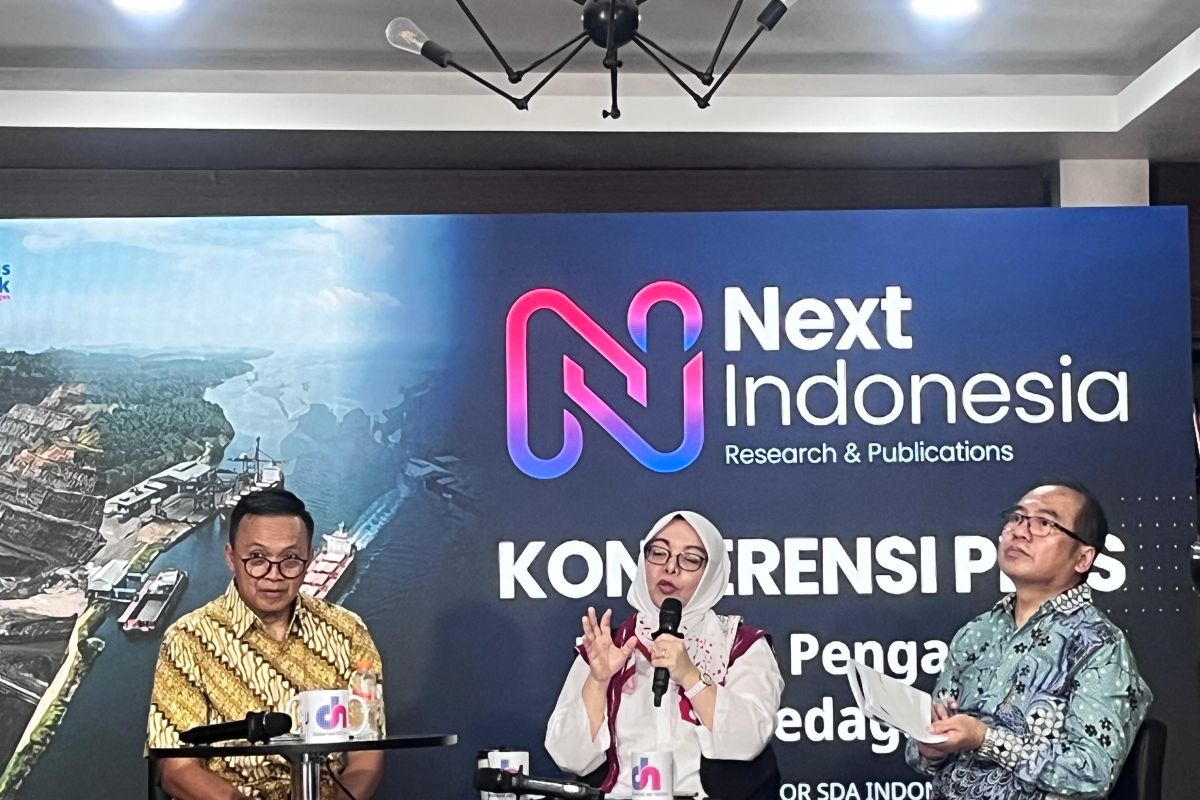
Jakarta (ANTARA) - The Head of Taxation and Fiscal Affairs of the Indonesian Palm Oil Association (Gapki), Yustinus Lambang Setyo Putro, has emphasised the importance of law enforcement within the export governance system.
“If we look at the current situation, Indonesia’s governance system is actually good. What remains is the law enforcement,” he stated during a public discussion held in Jakarta on Thursday.
He noted that several under-invoicing methods are currently being used to bypass export governance regulations. These include the incorrect declaration of goods types, such as avoiding luxury goods classifications by using lower Harmonised System (HS) codes to evade appropriate tariffs.
Other methods include discrepancies in goods quantity, where the physical amount does not match the reported figures, and price manipulation, where the reported transaction value is lower than the actual price.
On this occasion, he invited relevant stakeholders to improve export governance by strengthening existing regulations. The presence of PT Danantara Sumberdaya Indonesia (DSI) is seen as having the potential to bolster law enforcement.
One function DSI could perform is the verification and integration of data from seven ministries and agencies to strengthen the governance of natural resource exports. This includes the Ministry of Energy and Mineral Resources, the Ministry of Trade, the Directorate General of Customs and Excise, the Directorate General of Taxes, Bank Indonesia (BI), the Ministry of Law, and the Investment Coordinating Board (BKPM).
These verification and data integration efforts aim to detect potential anomalies and discrepancies in export transactions recorded by export supervisory agencies in real-time.
For example, if export data records a transaction value of US$10,000, but the value entering Bank Indonesia’s Integrated Foreign Exchange Monitoring Information System (Simodis) is only recorded as US$9,000, the DSI system could provide a warning signal to allow authorities to track the missing US$1,000 difference.
“That is a function DSI could enhance—synchronising data from all agencies handling export governance. I believe that through this, our governance will improve. Naturally, there will also be internal restructuring within the agencies to make Indonesia better,” said Yustinus.