
Gapasdap: Strengthening Piers is Key to Ketapang-Gilimanuk Ferry Services
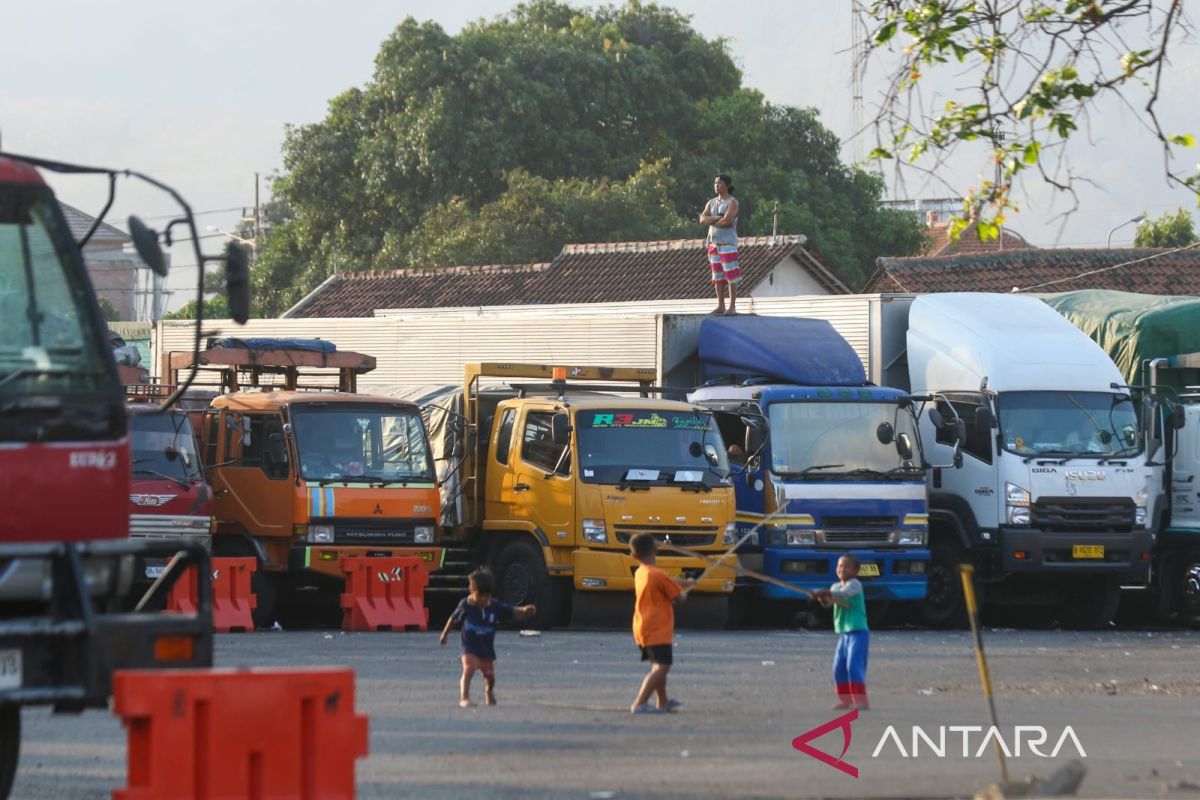
Banyuwangi (ANTARA) - The Association of National Entrepreneurs for River, Lake, and Ferry Transport (Gapasdap) in Banyuwangi, East Java, believes that strengthening pier facilities on the Ketapang-Gilimanuk route is essential to improving ferry service efficiency and reducing ongoing vehicle queues.
Nurjatim, Chairman of the Gapasdap Banyuwangi branch, stated that the availability of sufficient vessel fleets must be supported by adequate pier capacity and capability. He noted that synergy between fleet readiness and port facilities is a crucial factor in optimising ferry services in the Bali Strait.
“Amidst vehicle queues reaching 9-17 kilometres, optimising all available fleets is vital. Currently, with the repairs to the MB 2 Gilimanuk pier, approximately 23 vessels—or 40 per cent of the total 58 vessels—are able to operate. Therefore, strengthening pier capacity must be part of a collective solution,” he said in Banyuwangi on Monday.
Nurjatim added that while Gapasdap has provided fleets to support ferry services, the utilisation of these vessels would be more optimal if supported by port facilities capable of serving ships according to their capacity and characteristics.
“Increasing pier capacity can create more operational space for the existing fleet, thereby improving services to the public,” he said.
Beyond berthing capacity, Nurjatim noted that facility upgrades must also consider the pier’s ability to serve freight vehicles weighing between 30-50 tonnes. He emphasised that this aspect is critical to ensuring that all loading and unloading processes can proceed safely and efficiently.
“Therefore, increasing service capacity must include the capability of loading and unloading facilities, not just the availability of berthing space,” he stated.
Nurjatim added that the maintenance and reinforcement of pier structures must also be adjusted to the evolving size of operating vessels. Currently, there are vessels measuring 2,000-3,000 GT that require port facilities with appropriate capacities.
“If vessel size and capacity continue to develop, pier capabilities must also be adjusted accordingly. This ensures both elements work in balance so that ferry services can operate optimally,” he said.
He also encouraged a comprehensive evaluation of the Ketapang-Gilimanuk crossing conditions, looking at all elements affecting service smoothness, from fleet readiness to the capacity and condition of port facilities.
“A thorough evaluation will help find the right solution. Vessel readiness and port readiness are two mutually supporting factors in ensuring smooth ferry services,” said Nurjatim.
According to him, the improvement and capacity increase of piers on the Ketapang-Gilimanuk route is ultimately aimed at enhancing service quality for the public, particularly for service users.
With more adequate facilities, the available fleet can be utilised more effectively, which is expected to help reduce vehicle queues.
Based on monitoring, as of Monday morning, the queue of logistics trucks on the main route from Situbondo towards Ketapang Port remained quite long, stretching approximately 7-8 kilometres.
Source: jawawa.id (https://jawawa.id/newsitem/gapasdap-strengthening-piers-is-key-to-ketapang-gilimanuk-ferry-services-1790564451)
Originally published by Antara (Indonesian) (https://www.antaranews.com/berita/5761099/gapasdap-penguatan-dermaga-jadi-kunci-layanan-ketapang-gilimanuk), translated from Indonesian