
Gapasdap NTB Urges Government to Adjust Ferry Tariffs
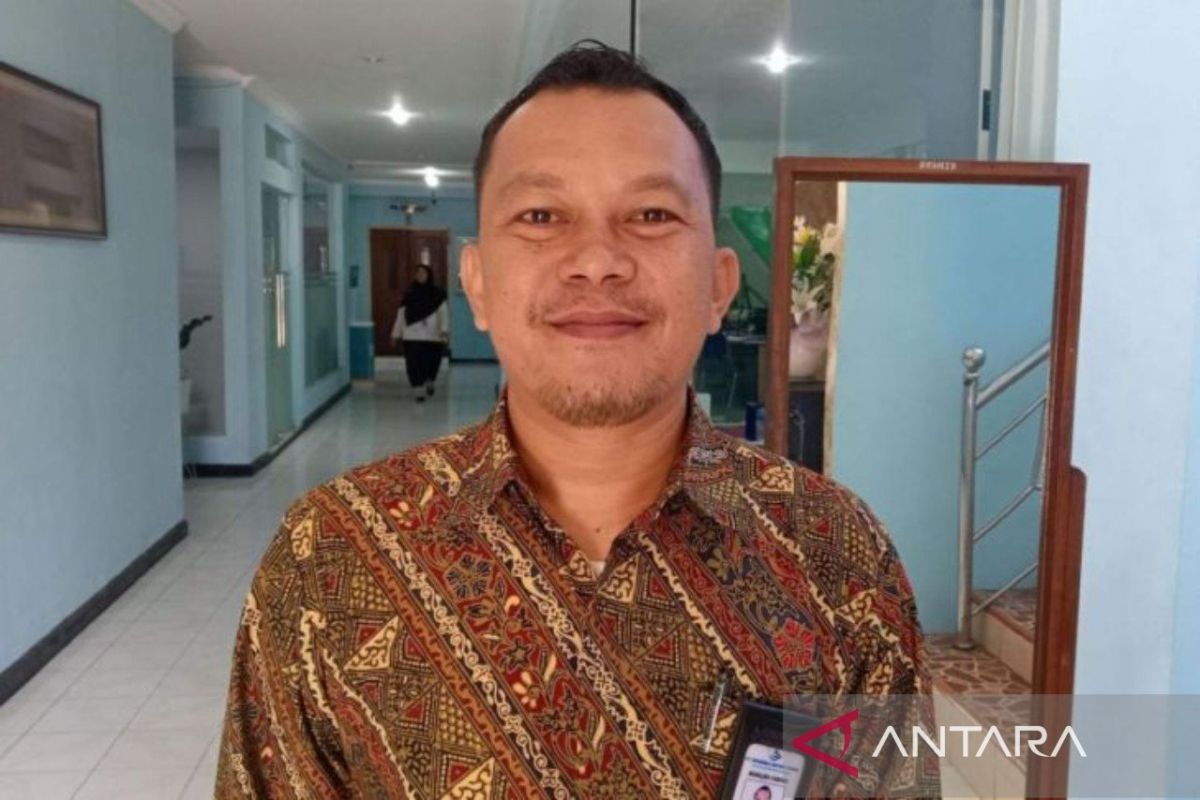
The Indonesian National Ferry Operators Association (Gapasdap) Lembar branch in West Nusa Tenggara has urged the central government to immediately adjust ferry transport tariffs, as high operational costs continue to burden vessel operators. DPC Gapasdap Lembar Chairman Firman Dandy stated in Mataram on Saturday that the current tariffs are insufficient to cover the steadily increasing operational expenses of recent years. “Companies need an adequate revenue structure to fulfil all these service obligations,” he said.
According to him, operators are still required to meet safety, security, and comfort standards as mandated by Law Number 17 of 2008 on Shipping. Failure to meet these standards could result in operational suspension or even revocation of a vessel’s licence. He explained that the main revenue for ferry companies comes from tariffs and sailing frequency. However, in recent years, sailing frequency has tended to decline due to the growing number of licensed vessels, which limits each ship’s opportunity to operate.
Firman revealed that the government and various stakeholders have actually calculated ferry tariffs according to the formula stipulated in legislation. These calculations involved the Ministry of Transportation as the regulator, PT ASDP Indonesia Ferry as the port manager, Gapasdap as the operator representative, and consumer protection agencies representing service users. Based on a 2019 study, ferry tariffs were approximately 31.8 percent below the cost of production (HPP). Yet, to date, this gap has not been addressed through tariff adjustments.
“This condition makes the operational burden increasingly heavy because the costs of maintaining service standards, safety, and vessel upkeep continue to rise,” Firman said. He added that pressure on the ferry industry is mounting due to price increases of various components influenced by foreign exchange rates. These increases directly impact maintenance and repair costs, which still rely on imported components. Currently, the price of vessel oil is reported to have risen by up to 60 percent, spare parts by around 30 to 40 percent, while docking and classification renewal costs have increased by about 20 percent. “All these costs are unavoidable because they are directly related to the safety of the vessel and passengers,” he stated.
Gapasdap is concerned that if this situation continues without a policy solution, service quality and shipping safety could be affected, even though maritime transport safety is a public interest that must be prioritised. In addition to requesting a tariff adjustment, Gapasdap has also proposed several incentives to help sustain the ferry industry. These proposals include the elimination of non-tax state revenue (PNBP), reduction of port fees, removal of fuel tax, lowering of vessel classification costs, tax relief, and the provision of bank credit with special interest rates for the maritime sector. Firman believes these incentives are necessary so the ferry industry can continue to maintain service quality while meeting the safety standards required by the government. “We hope the government will immediately adjust tariffs according to the calculations that have been made and provide policy support so that the ferry industry remains healthy and can serve the public optimally,” he said.